
Last updated November 23, 2026
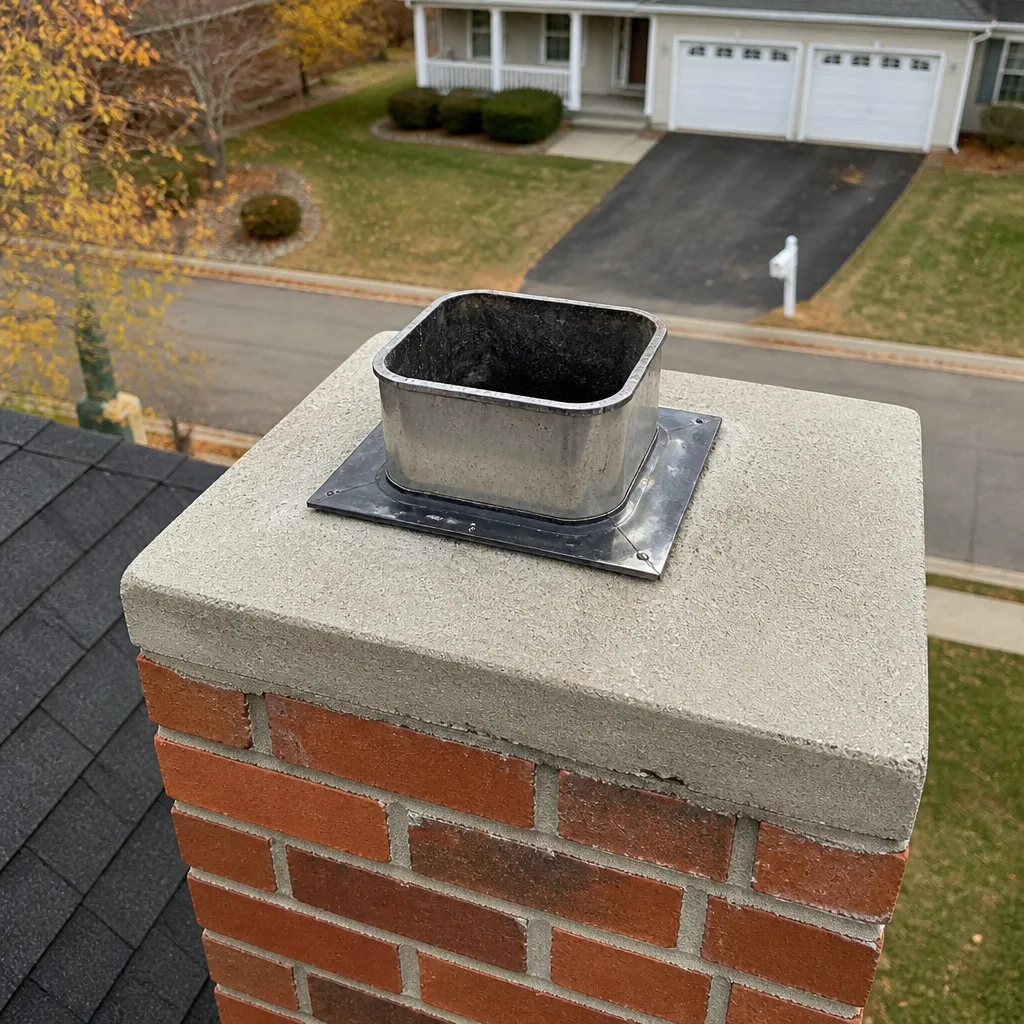 Sweep & inspection
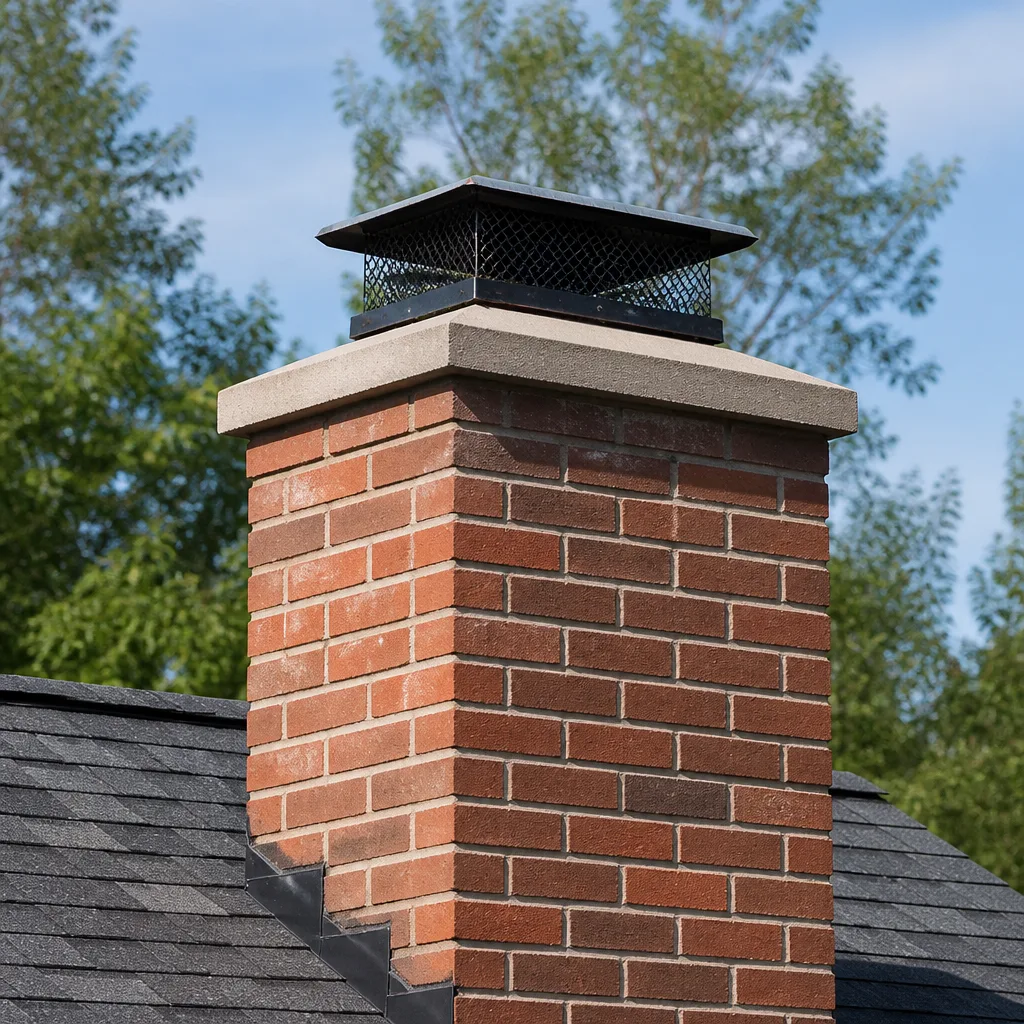 Caps & crowns
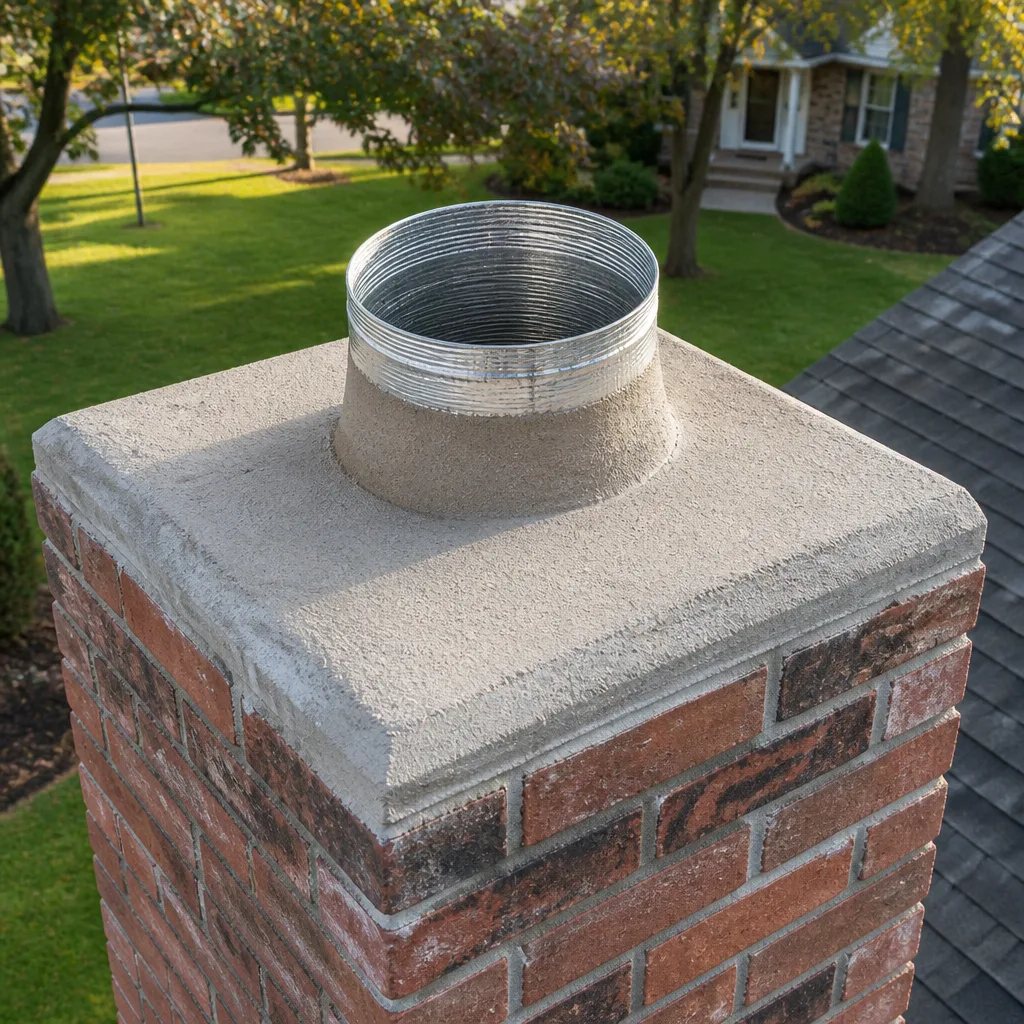 Flue relining
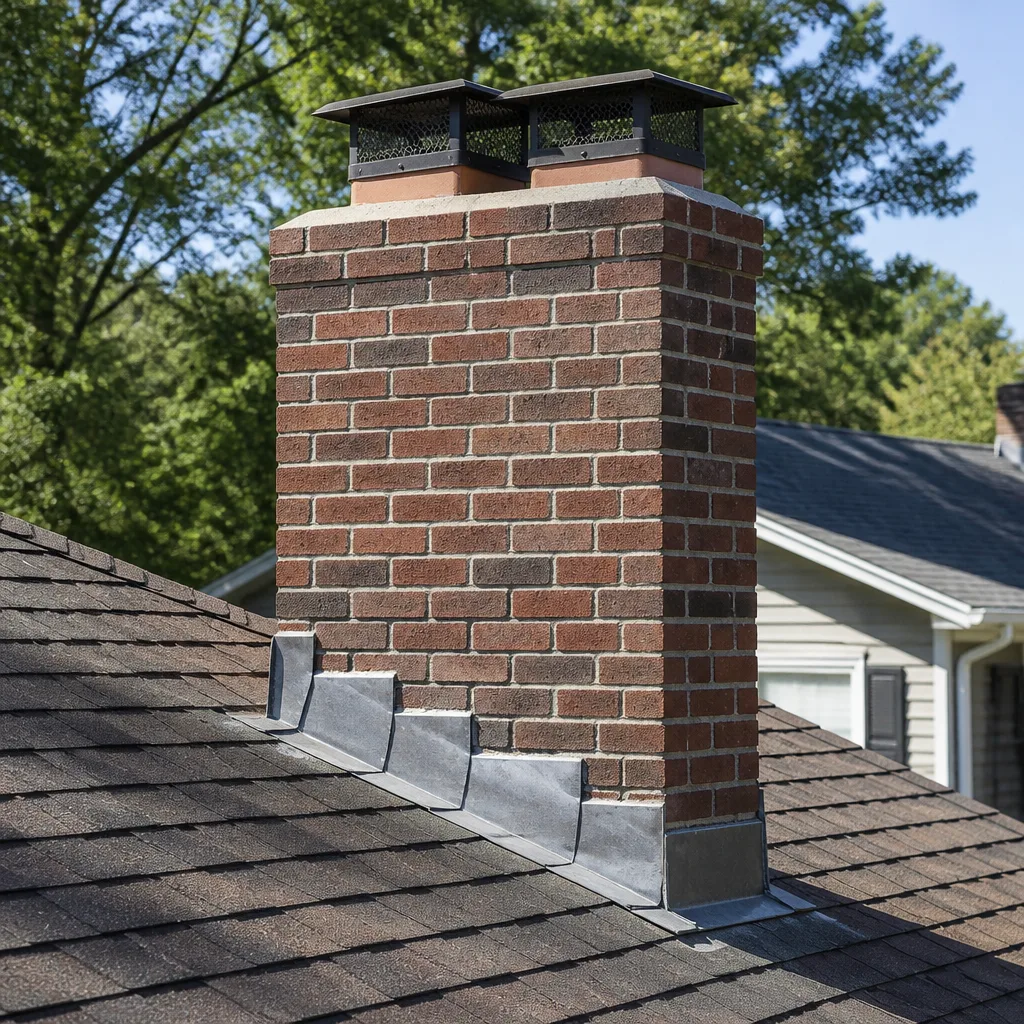 Masonry repair
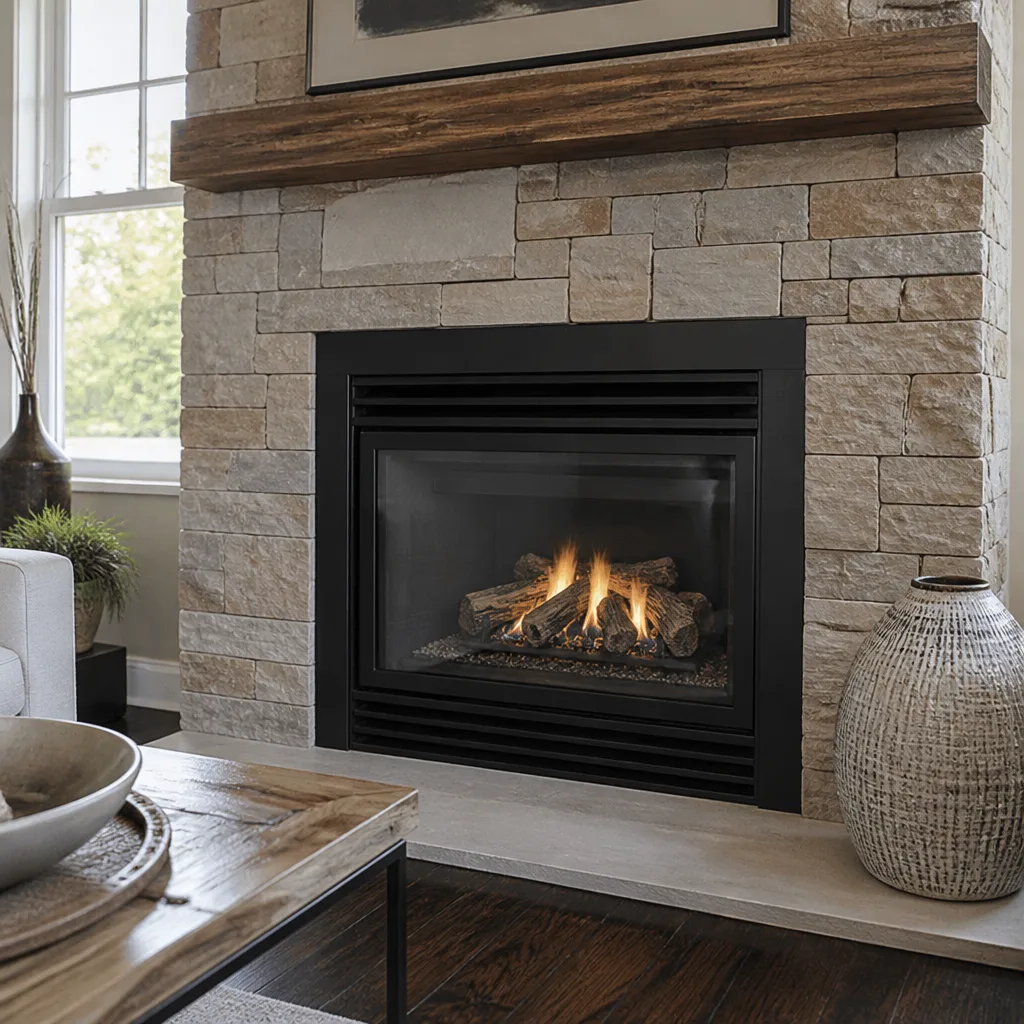 Gas fireplace service
Level 1 sweep and inspection to the NFPA 211 annual standard - flue, crown, cap, and flashing checked and photographed
Chimney sweep logs do not sweep chimneys. They loosen some creosote - which then falls where a brush and vacuum still have to collect it.
Chimney Cleaning Emergency Preparedness Guide for Thornton Homes
Most chimney safety advice treats one disaster: the chimney fire. That focus is understandable, and it’s incomplete. A chimney fire in Thornton can burn at temperatures between 2,000°F and 2,500°F, hot enough to warp a stainless liner and crack clay tile in under four minutes. Which means the real question after any event is never “did anything burn” but “what does the liner look like now.” And a chimney fire is only one of four acute failures a Thornton home can face. Carbon monoxide events from a blocked flue, structural damage after a hail storm, and a fireplace that fails as backup heat during a winter outage each call for a different response. This guide walks through all four, step by step, so you know what to do in the first minute and what to document afterward.
Quick Answer
If you suspect an active chimney fire, call 911 first, get everyone out of the house, and close the fireplace doors or damper only if you can do it safely from outside the firebox. For carbon monoxide symptoms with no obvious source, treat it as a chimney blockage until proven otherwise: leave the house and call 911. After hail or a major storm, check the cap, crown, and flashing before your next fire. And always get a documented inspection before using the fireplace as emergency heat. A certified inspection tells you exactly what your chimney needs, nothing more.
Styles & brands we work with
- Sweep & inspection
- Caps & crowns
- Flue relining
- Masonry repair
- Gas fireplace service
Table of Contents
- Responding to an Active Chimney Fire: The First 60 Seconds
- Carbon Monoxide Events and Chimney Blockage
- Post-Hail Storm Protocol for Cap, Crown, and Flashing
- Using Your Fireplace as Backup Heat During a Winter Outage
- What to Tell Your Insurance Company After a Chimney Event
- Prevention: Why Most Emergencies Start Months Earlier
- Thornton’s Seasonal Calendar for Chimney Risk
- When to Call a Professional
Responding to an Active Chimney Fire: The First 60 Seconds
Chimney fires fall into two categories, and the difference matters. A “free-burning” fire is loud and visible: roaring sound, flames or dense smoke from the top, a shaking flue. A “slow-burning” fire is quiet, often unnoticed, and does its damage over time as creosote ignites in stages. In our experience, the quiet ones cause the worst liner damage because homeowners don’t realize anything happened until the next inspection.
Here’s the response sequence for a fire you believe is active:
- Get everyone out first. Move people and pets outside before you do anything else. Don’t stop to gather belongings.
- Call 911. Even if the fire seems small, call. Chimney fires can spread into the attic or roof framing through cracks you can’t see.
- Close the glass doors or damper only if you can reach it without opening the firebox and without standing in smoke. This cuts oxygen to the fire. If reaching it means opening the firebox, don’t.
- Don’t spray water into the firebox. A sudden temperature drop can crack clay tile or warp a metal liner. Leave suppression to the fire department.
- Don’t close the damper if the fire is already roaring. Trapped heat and pressure can force smoke through mortar joints into the house.
- Stay outside until the fire department clears the scene. Don’t re-enter to “check on things.”
When you can suppress without calling 911: essentially never on your own judgment. A small flare-up that dies in seconds with no roaring sound and no smoke escaping the chimney top may be a puff of creosote igniting and burning out. But you can’t confirm that from the living room. Call 911, and let the fire department make the call. For more on what a normal burn looks like versus a warning sign, see our guide to a routine chimney sweep.
The damage assessment after a fire is never “did anything burn.” It’s “what does the liner look like now.” Clay tile can crack from thermal shock even when no flames reached the attic. Stainless liners can warp at the seams. The only way to know is a camera inspection, and we’ll come back to that in the insurance section.
Carbon Monoxide Events and Chimney Blockage
Carbon monoxide is the chimney emergency homeowners miss because the symptoms don’t look like a chimney problem. Headache, dizziness, nausea, fatigue, confusion, shortness of breath. They look like flu, food poisoning, or just a bad night’s sleep. The tell is context: symptoms that improve when you leave the house and return when you come back, or that affect multiple people (and pets) in the same room at the same time.
If you suspect CO, get everyone outside and call 911. Don’t try to find the source first. Don’t open windows and “wait it out.” Carbon monoxide is odorless and colorless, and a fireplace that’s venting poorly can put dangerous levels into a room without any visible smoke.
The chimney conditions that cause CO events in Thornton homes tend to be specific and predictable:
- Bird or squirrel nests lodged in the flue. Common in spring and early summer when animals build, and dangerous the first cold night you light a fire and don’t realize the flue is blocked.
- A collapsed or separated liner. Clay tile sections can shift or crack, letting flue gases escape into wall cavities or the attic instead of up the chimney.
- A blocked or screened-over cap. A cap with a mesh screen clogs with soot, creosote, or debris over time. It’s one of the most common causes of poor draft we find.
- Negative pressure in a tight house. Modern construction and exhaust fans can pull flue gases back into the living space if the chimney doesn’t draft well.
- A dirty flue with heavy creosote. Restricted flow doesn’t just raise fire risk, it can push CO into the room.
A CO detector on each level of the home, and near sleeping areas, is the single most useful piece of preparation a Thornton homeowner can install. It’s also the piece most often skipped. If your detector has ever gone off near a fireplace, treat it as a chimney problem until a camera inspection proves otherwise.
Post-Hail Storm Protocol for Cap, Crown, and Flashing
Thornton sits in one of the most hail-prone stretches of the Front Range, and a chimney takes the worst of it. The cap, crown, and flashing are the most weather-exposed parts of the system, and they’re the first to fail after a significant hail event. The crown is the concrete or masonry slab at the very top of the chimney. When it cracks, water gets in. Water destroys mortar. Mortar failure becomes a rebuild. We stop it at the crown.
After a significant hail storm, do a visual check from the ground:
- Cap: Is it dented, tilted, or missing? A cap that’s been knocked loose lets water pour straight down the flue.
- Crown: Look for cracks, chips, or missing chunks. Hail can shatter a crown that was already stressed by freeze-thaw cycles.
- Flashing: The metal seal where the chimney meets the roof. Look for lifted edges, dents, or gaps.
- Brick and mortar joints: New cracks, spalling, or displaced bricks. Hail can knock loose a brick that was already failing.
- Chimney top: Any visible debris or birds in the flue opening.
Why waiting is riskier in fall than summer: a summer storm gives you weeks of warm, dry weather to schedule a repair before the first fire. A fall storm lands you days or weeks from burning season. Water that gets in now has all winter to freeze, expand, and split mortar. The fix that would have been a crown repair in September becomes a rebuild by March. And a compromised cap or crown can let water and debris into the flue, which is exactly the condition that causes the CO events covered above.
Hail season in Thornton runs spring through early fall, but the late-summer and early-fall storms do the most damage because they arrive right before heating season. If a storm has hit your neighborhood, book an inspection before you light the first fire. Our chimney repair team can document the damage and tell you what can safely wait.
Using Your Fireplace as Backup Heat During a Winter Outage
A wood-burning fireplace is a legitimate backup heat source during a winter power outage. It’s also the exact scenario where blocked-flue CO events happen, because a homeowner who hasn’t cleaned the chimney in two seasons suddenly lights a fire in a flue full of creosote and bird nests. The fireplace itself isn’t the risk. The condition of the flue is.
Before you rely on your fireplace as backup heat, these conditions must be met:
- The flue has been swept and inspected this season. A flue with heavy creosote is a fire risk; a blocked flue is a CO risk. Both are avoidable.
- The cap is intact and the screen is clear. A clogged screen on a snowy night means the flue can’t vent.
- Your CO detectors work. Test them, and check battery dates before winter.
- The damper opens fully. A damper that only opens partway restricts draft and pushes gases into the room.
- The firebox and hearth are sound. Cracks in the firebox or hearth can let embers or gases into the structure.
- You have a safe fuel supply. Seasoned, dry wood. Green or wet wood creates more creosote and less heat.
The conditions that make it dangerous: an uncleaned flue, a blocked cap, a damaged liner, or a firebox with visible cracks. Any one of those turns a backup heat plan into a carbon monoxide event. This is the reason we recommend a fall inspection before heating season in Thornton, not after the first cold snap. It’s also the reason a documented inspection is worth more than a cheap sweep: it tells you whether the fireplace is safe to depend on, not just whether it looks clean.
We use DuraFlex flexible liner systems when relining a damaged flue, specifically because they’re engineered for chimney restoration rather than improvised from off-the-shelf components. DuraFlex liners are a code-compliant, durable upgrade path for a flue that’s cracked, shifted, or undersized.
What to Tell Your Insurance Company After a Chimney Event
Insurance claims after a chimney fire or storm damage go one of two ways: smoothly, because you documented the event, or slowly, because you didn’t. The single most useful thing you can do after any chimney event is collect evidence immediately.
Gather these before anything gets cleaned or repaired:
- Photos of the exterior: chimney top, cap, crown, flashing, and any visible damage to the roof or siding.
- Photos of the interior: firebox, damper, hearth, and any smoke or water damage in the room.
- The fire department report, if they responded. Ask for a copy at the scene or shortly after.
- Dates and descriptions of the event: when the fire started, when you noticed the storm damage, when you called.
- Any prior inspection reports. A documented, pre-event inspection is the best evidence that the chimney was in good condition before the hail or the fire.
- Receipts or estimates for any emergency work done.
Most insurers will require a post-event Level 3 inspection before they’ll authorize major repairs. A Level 3 inspection is the most thorough tier: it includes visual inspection of concealed areas, and in some cases opening walls or removing parts of the chimney to see the full flue and framing. It’s not a routine check, and it isn’t done unless there’s reason to believe hidden damage exists. Insurers require it because a camera view of a warped liner or cracked tile is the difference between a claim paid and a claim denied.
We provide documented inspections that homeowners can use for insurance claims, real estate transactions, or repair planning. If your insurer needs a Level 3, we can walk you through what the inspection covers before it starts, so there are no surprises. For work that falls short of a Level 3, a standard chimney repair assessment with a camera report is usually enough to establish the damage. And if you’re being told you need a full reline, ask for the camera footage. Nothing should be recommended without evidence you can see for yourself.
Prevention: Why Most Chimney Emergencies Start Months Earlier
Every emergency in this guide has a preventable cause, and the cause almost always develops in the off-season. Creosote builds up over a heating season. A bird builds a nest in the spring. Hail cracks a crown in late summer. Water gets in through the fall. None of these are emergencies on the day they happen. They become emergencies on the first cold night the homeowner lights a fire without checking.
The prevention calendar for a Thornton home looks like this:
- Spring (after heating season): Get a sweep and inspection. This clears the creosote built up over the winter and catches any winter damage before it sits all summer.
- Early summer: Check the cap and screen for bird or squirrel nests. Animals build in the warm months, and a nest lodges in the flue until the first fire of the fall.
- Late summer / early fall (post-hail): Visual inspection of cap, crown, and flashing after any significant storm. Book a professional inspection if anything looks off.
- Early fall (before first fire): Final inspection and sweep if you didn’t do one in spring. Test CO detectors, confirm the damper opens fully, and check your wood supply.
- Winter (use season): Burn seasoned wood, keep fires moderate, and never leave a fire unattended overnight.
How often should a chimney be swept? Once a year for most wood-burning fireplaces, more often if you burn heavily or notice a lot of creosote buildup. The National Fire Protection Association recommends annual inspections for all chimneys, fireplaces, and vents. Sweeping frequency depends on how much you burn and what you burn, which is why a documented inspection is the honest starting point rather than a fixed schedule.
The full-system view matters here. From the firebox to the crown, every part of the chimney interacts with the others: a cracked crown lets water into the flue, water damages mortar, damaged mortar lets gases escape, and restricted draft drives CO into the living space. Fixing the cap without fixing the crown, or the crown without repairing the liner, leaves a weak link. That’s why we work with a curated roster of professional chimney brands, including Olympia Chimney and Famco, so we can match the right system to the problem rather than improvise. And when the flue itself is the weak link, HeatShield resurfacing is designed specifically for in-place liner repair.
For a deeper look at fireplace restoration, our fireplace repair page covers firebox cracks, damper issues, and hearth repair. For the full picture of what our team handles, see Thornton Chimney Sweep Pros.
Thornton’s Seasonal Calendar for Chimney Risk
Thornton’s climate creates a specific calendar of chimney risk, and it’s the reason a preparedness plan for a Thornton home looks different from one written for a milder region. Long, cold winters mean the fireplace runs hard for months, and the freeze-thaw cycle around the chimney’s masonry does the structural damage in the off-season.
Winter: Peak use, peak creosote production, and the highest fire and CO risk. Cold, dense air can also reduce draft on very cold days, which raises the CO risk on an already-restricted flue. This is the season to burn dry wood, keep fires moderate, and never leave one unattended.
Spring: Heating season ends, and the sweep you do now clears the creosote before it sits. Spring inspection catches any winter damage, including cracks that opened under a cold snap.
Summer: Animals move into flues, and hail season begins. The chimney is out of sight and out of mind, which is exactly when problems develop unnoticed.
Fall: Hail can crack a crown weeks before the first fire, and the timing matters. The same crown repair that’s routine in September becomes a structural problem by November. Fall is also when a blocked flue from a summer nest reveals itself on the first cold night.
The Thornton-specific risk in all of this is the timing of the first cold snap. It arrives suddenly, and it’s the moment most homeowners light the first fire of the season without checking the chimney. That first fire is when a summer-blocked flue produces a CO event, or a cracked crown lets water into a flue that’s about to be used for months. Book the inspection before the first cold night, not after.
Thornton’s housing stock matters too. Older homes may have clay tile liners at the end of their useful life, while newer, tightly built homes are more prone to negative pressure problems that push flue gases into the living space. Both are reasons a chimney check in Thornton is a whole-system inspection, not a quick sweep.
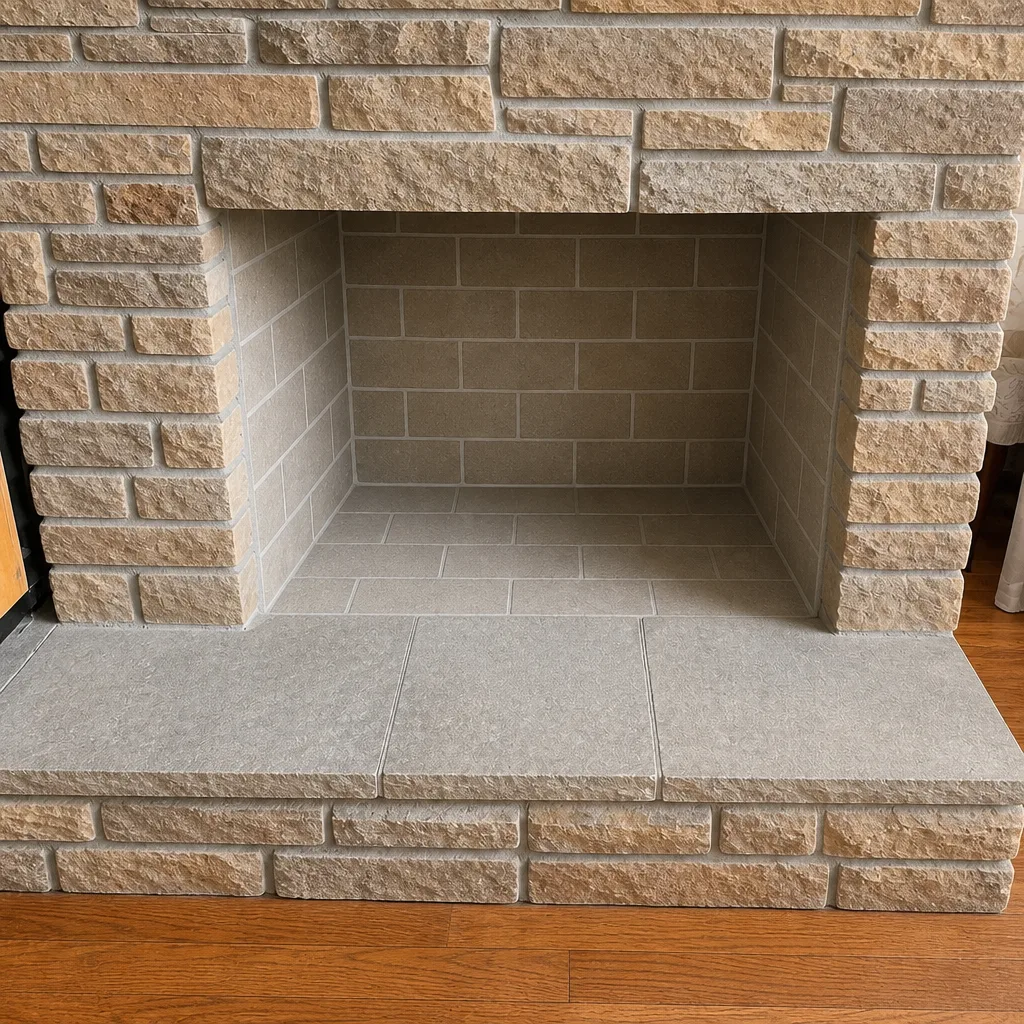
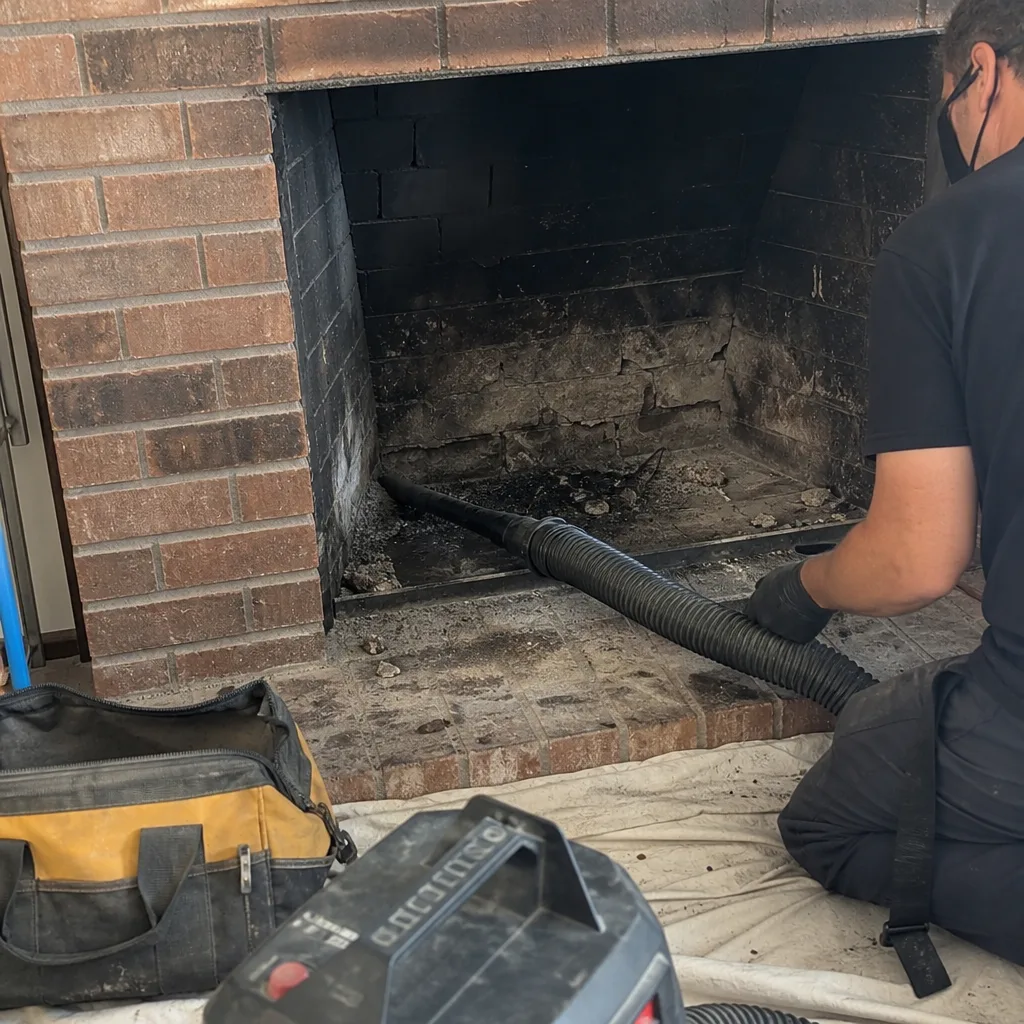
See the difference
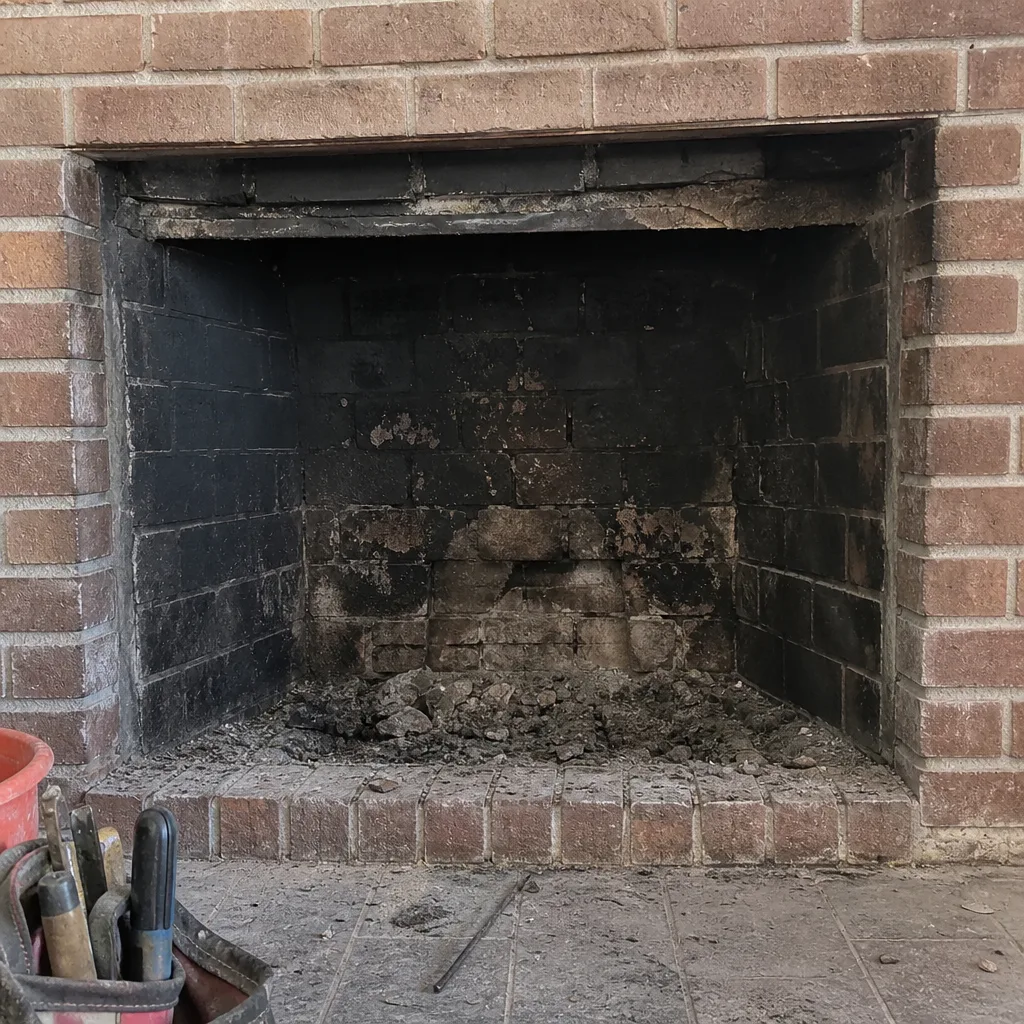 Before
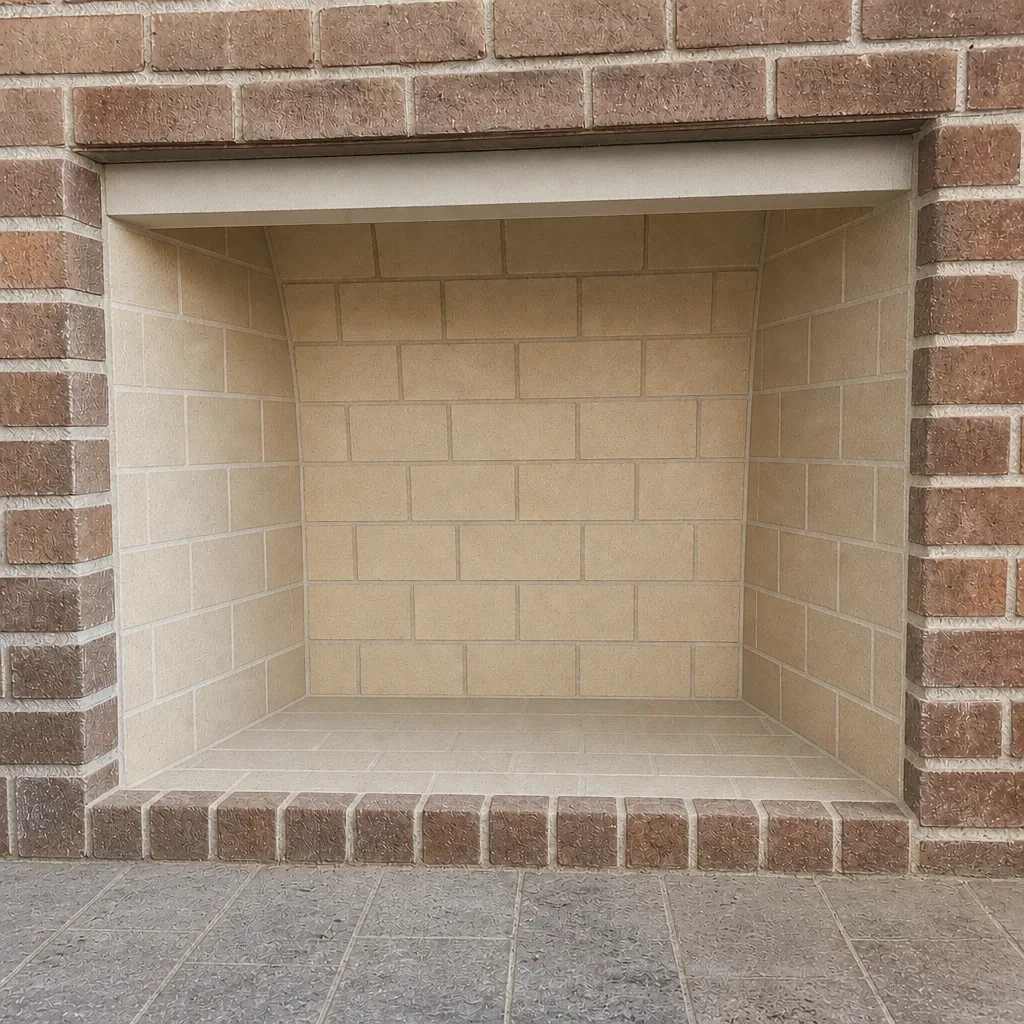 After
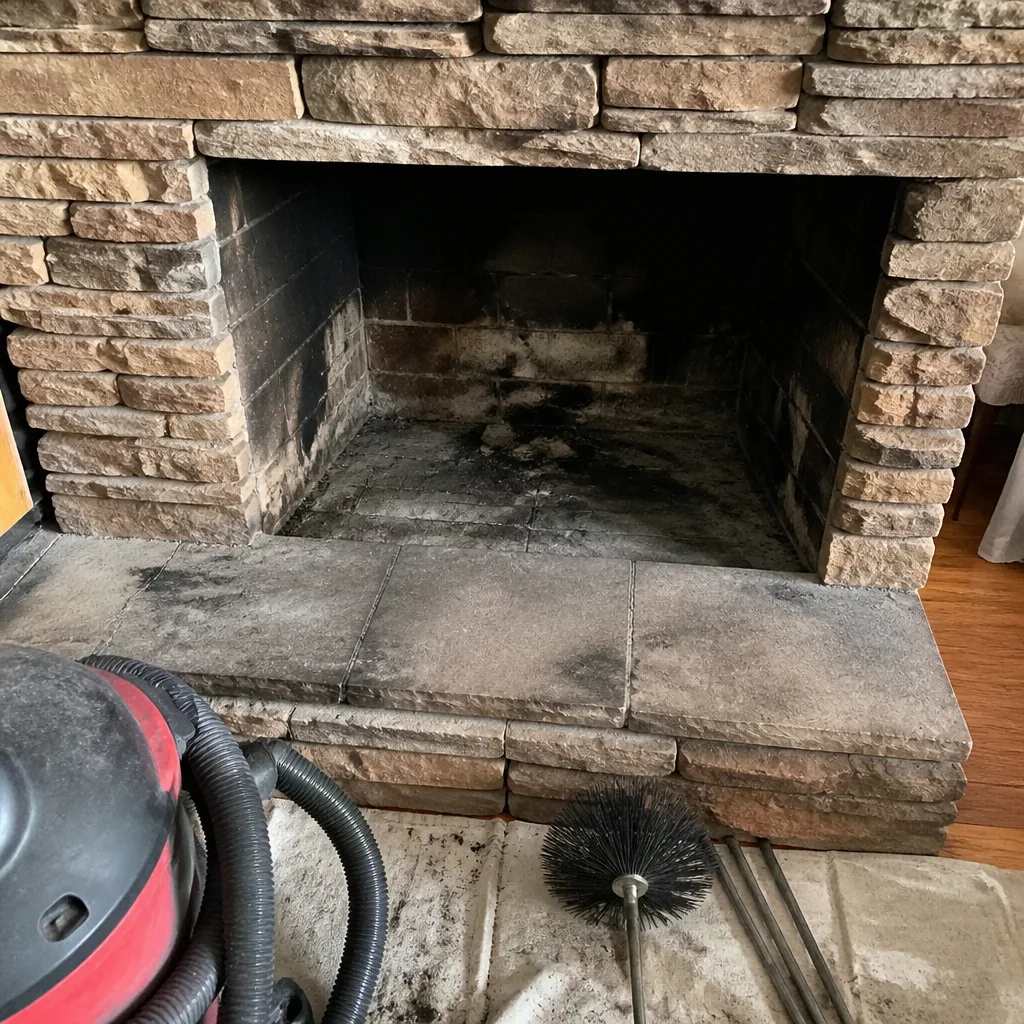 Before
 After
 Before
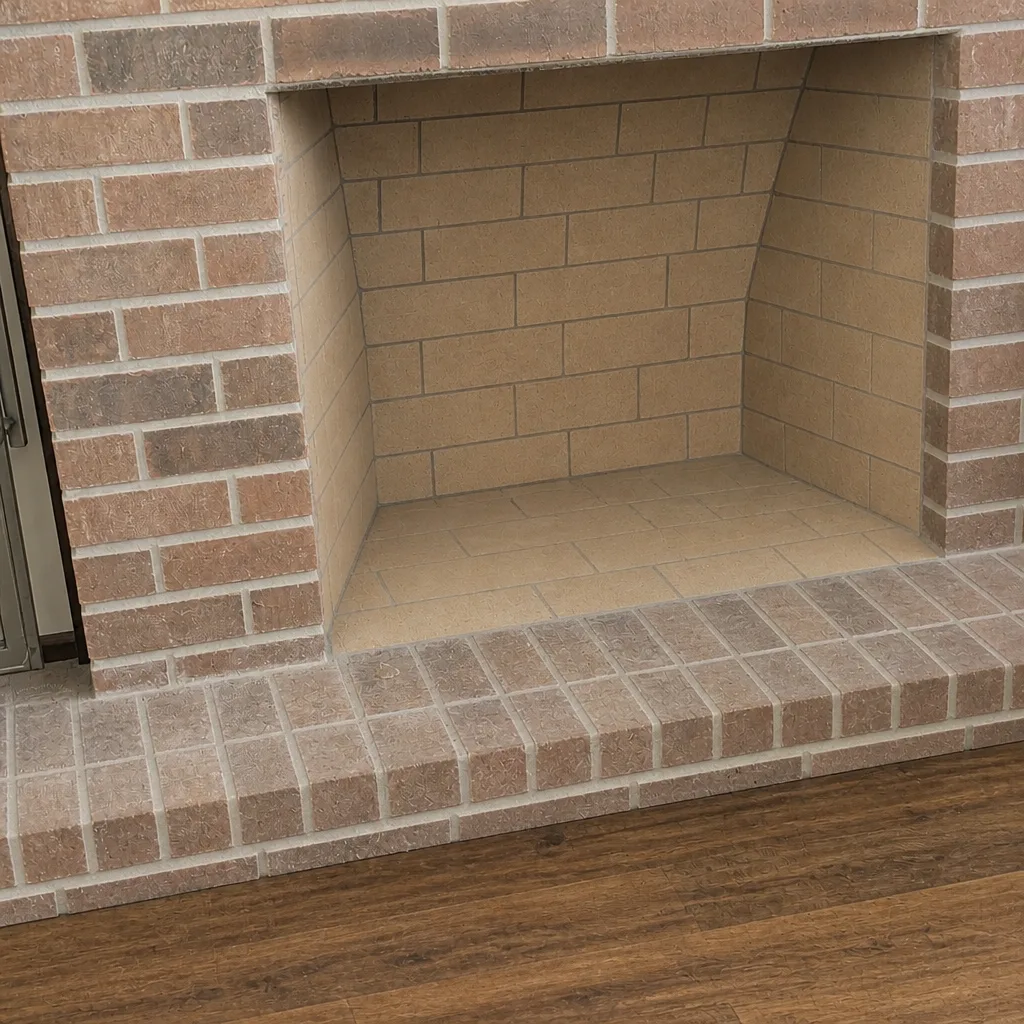 After
Common Mistakes to Avoid
- Waiting until the first cold night to check the chimney. A flue blocked by a summer bird nest reveals itself the moment you light a fire. By then you’re in an emergency, not a maintenance schedule. Check in the fall, before you need the fireplace.
- Treating a chimney fire like a small flare-up. A fire that roars for a few seconds and dies may still have cracked tile or warped a liner seal. The damage doesn’t always announce itself. Get a camera inspection after any suspected fire.
- Closing the damper during a chimney fire. Trapped heat and pressure can force smoke and gases through mortar joints into the house. Leave the damper open and get out.
- Skipping the post-hail check. A hail-cracked crown looks minor in August and becomes a water-damaged flue by December. The fix is cheap early and expensive late.
- Relying on the fireplace for backup heat without a sweep. A power outage is the worst time to discover your flue is blocked. Sweep and inspect before you need the fireplace as a backup.
- Skipping the CO detectors. Carbon monoxide is odorless and colorless, and chimney blockages are a common cause. A working detector on each level of your home is the single most useful piece of emergency preparation.
- Ignoring a cheap inspection that recommends a full reline immediately. Nothing should be recommended without camera footage you can see for yourself. A good inspector shows you the evidence; a poor one just tells you what you need.
If any of these mistakes sound like your current routine, this is the time to change it. A free estimate is the easiest way to start. Call (866) 937-7966 for a documented inspection in Thornton.
When to Call a Professional
Call for an active or suspected chimney fire, for CO detector alarms or symptoms that improve when you leave the house, and for any visible damage to the cap, crown, or flashing after a storm. Call before using a fireplace you haven’t had inspected this season, before relying on it as backup heat, and before a fire if a bird was visible at the chimney top. Call if you see cracking in the firebox or hearth, if the damper won’t open fully, or if the chimney is smoking into the house on a normal fire.
Call also when you’re being told you need thousands of dollars of liner or masonry work. If the recommendation isn’t backed by camera evidence you can see, get a second opinion. A good inspection documents exactly what the chimney needs, nothing more. In our experience, plenty of chimneys that “need” a full reline just need a sweep, a cap repair, or an in-place HeatShield resurfacing.
Thornton Chimney Sweep Pros offers free estimates in Thornton. We answer 24/7. Fast dispatch from 7am to 7pm. Call (866) 937-7966.
Frequently Asked Questions
Get everyone out of the house, then call 911. Close the glass doors or damper only if you can do it safely without opening the firebox, and don’t spray water into the fire. Once the fire department clears the scene, get a camera inspection before you light another fire. Call (866) 937-7966 for an exact quote on the inspection. Estimates are free.
You probably can’t tell from the chimney itself, which is why CO detectors matter. Symptoms that improve when you leave the house and return when you come back, headaches or dizziness affecting multiple people and pets at once, and a CO alarm going off near the fireplace all point to a chimney problem. Leave the house and call 911 if you suspect CO. Then call (866) 937-7966 for a camera inspection to find the cause.
Check the cap, crown, and flashing for dents, cracks, or gaps, and look for new cracks in the brick and mortar joints. A damaged cap or crown lets water into the flue, and waiting into the fall turns a small repair into a structural problem. Call (866) 937-7966 for a documented post-hail inspection. Estimates are free.
Yes, but only if the flue has been swept and inspected this season, the cap and screen are clear, the damper opens fully, and your CO detectors work. An uncleaned flue or a blocked cap turns backup heat into a CO risk. Call (866) 937-7966 to schedule an inspection before winter. Estimates are free.
Photos of the damage inside and out, the fire department report, dates and descriptions of the event, any prior inspection reports, and a documented post-event inspection. For major claims, most insurers require a Level 3 inspection, which examines concealed areas. Call (866) 937-7966 to schedule a documented inspection your insurer can use. Estimates are free.
Once a year for most wood-burning fireplaces, and more often if you burn heavily or notice heavy creosote. Get it done before heating season, not after, so a blocked or damaged flue is caught before the first cold night. Call (866) 937-7966 for a sweep and inspection. Estimates are free.
The Bottom Line
A chimney emergency is rarely about the fire itself. It’s about what happens after: the liner that cracked from thermal shock, the flue that’s been blocked by a summer nest since June, the crown that’s been letting water in since the last hail storm, or the backup heat source that turns out to be unsafe the night you need it most. Preparedness means checking the full system from the firebox to the crown, not just hoping nothing burns. Sweep and inspect before heating season, know the four failure modes, and document everything so your insurance claim goes smoothly if the worst happens. If you’re unsure where your chimney stands, a documented inspection answers the question with evidence you can see.
Call (866) 937-7966. We answer 24/7. Fast dispatch from 7am to 7pm, Sunday through Friday. Estimates are free, and a written estimate sets the final price.
Written by the team at Thornton Chimney Sweep Pros.