
Last updated November 23, 2026
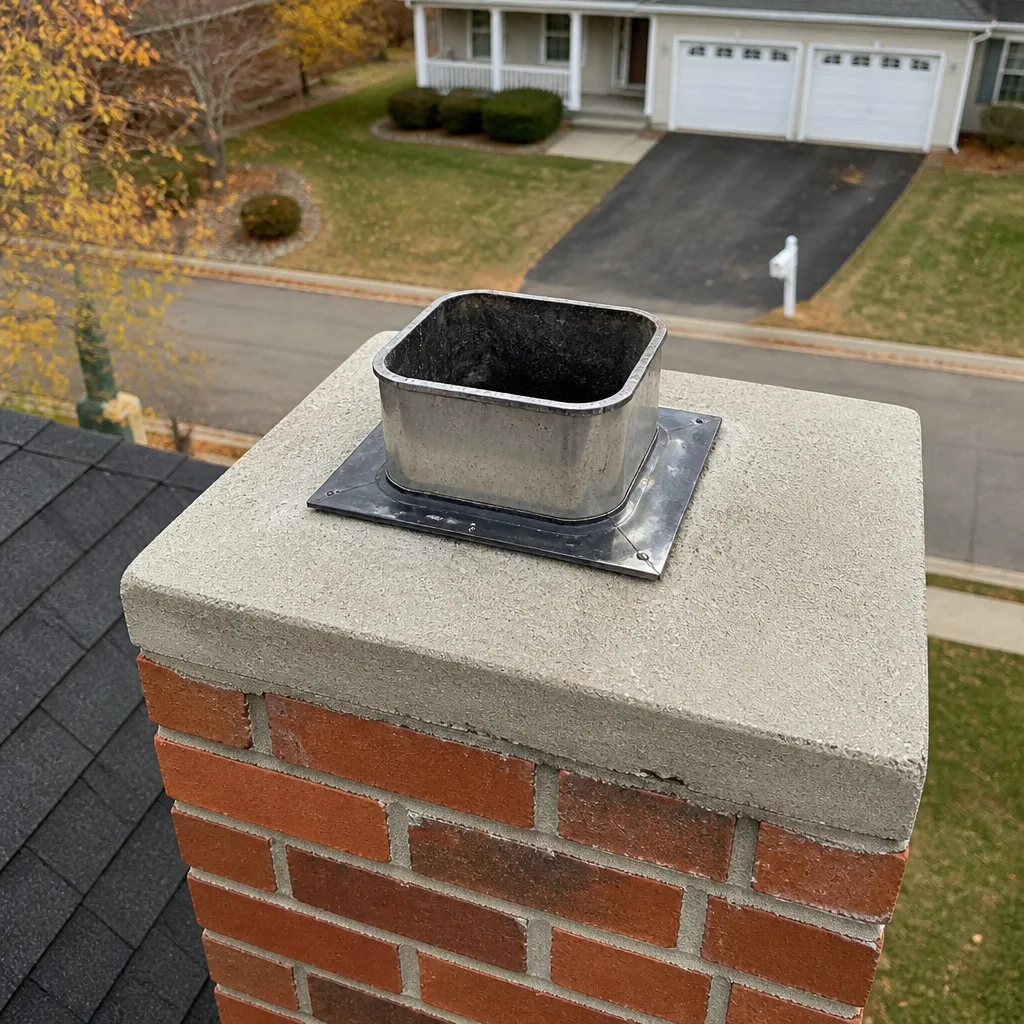 Sweep & inspection
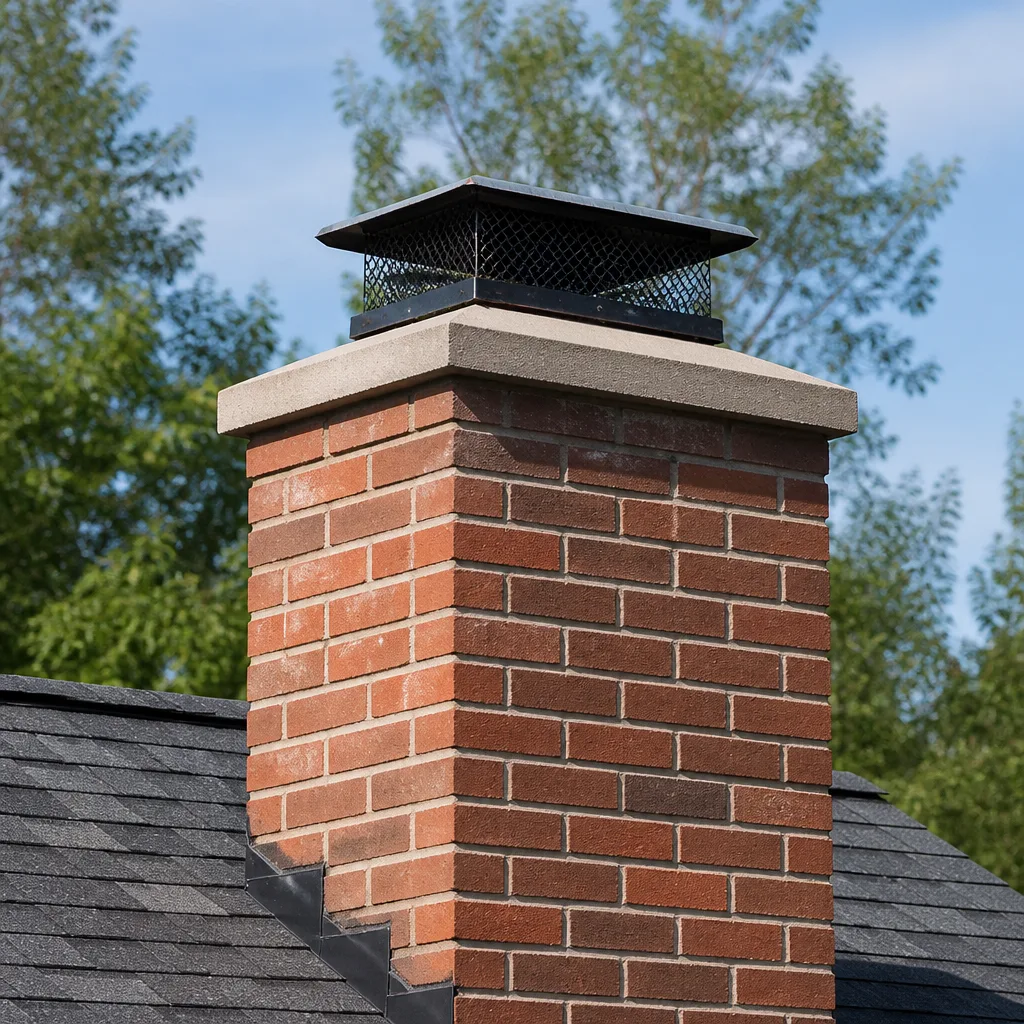 Caps & crowns
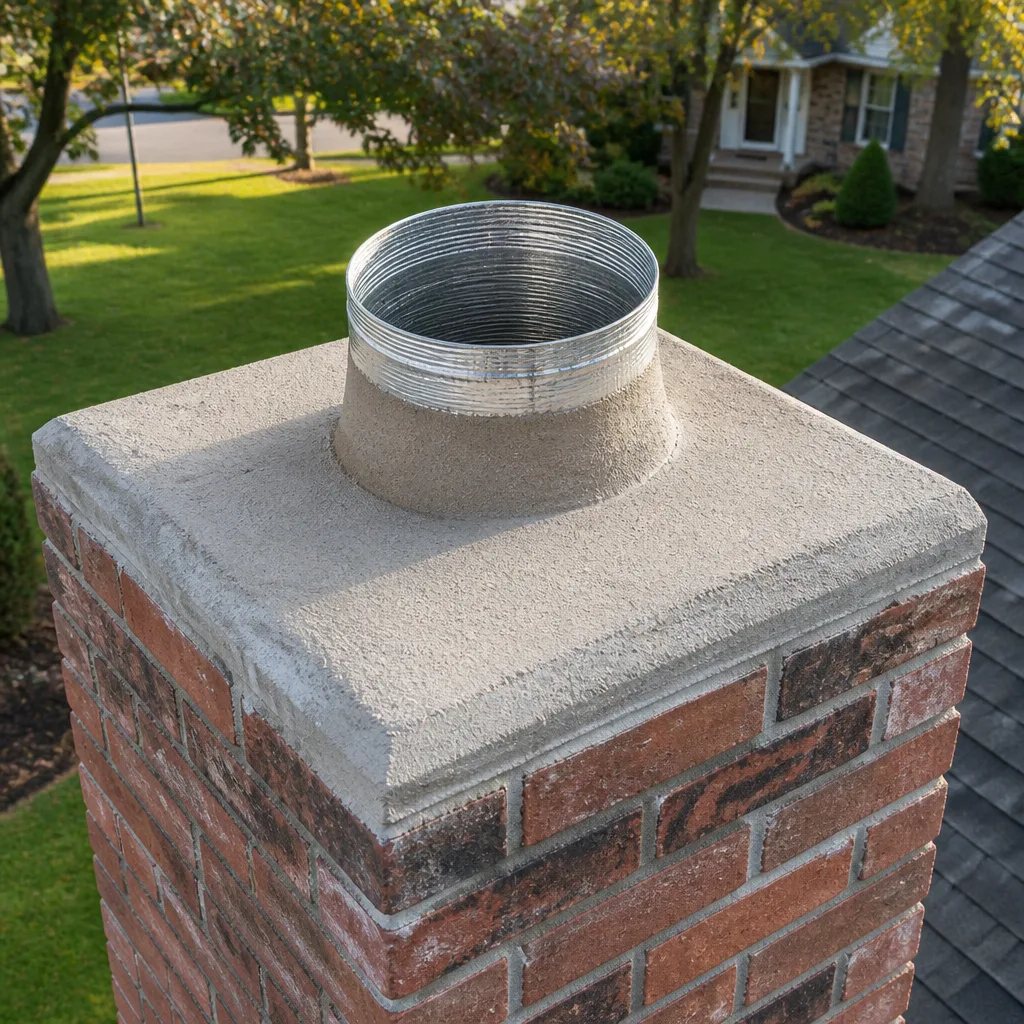 Flue relining
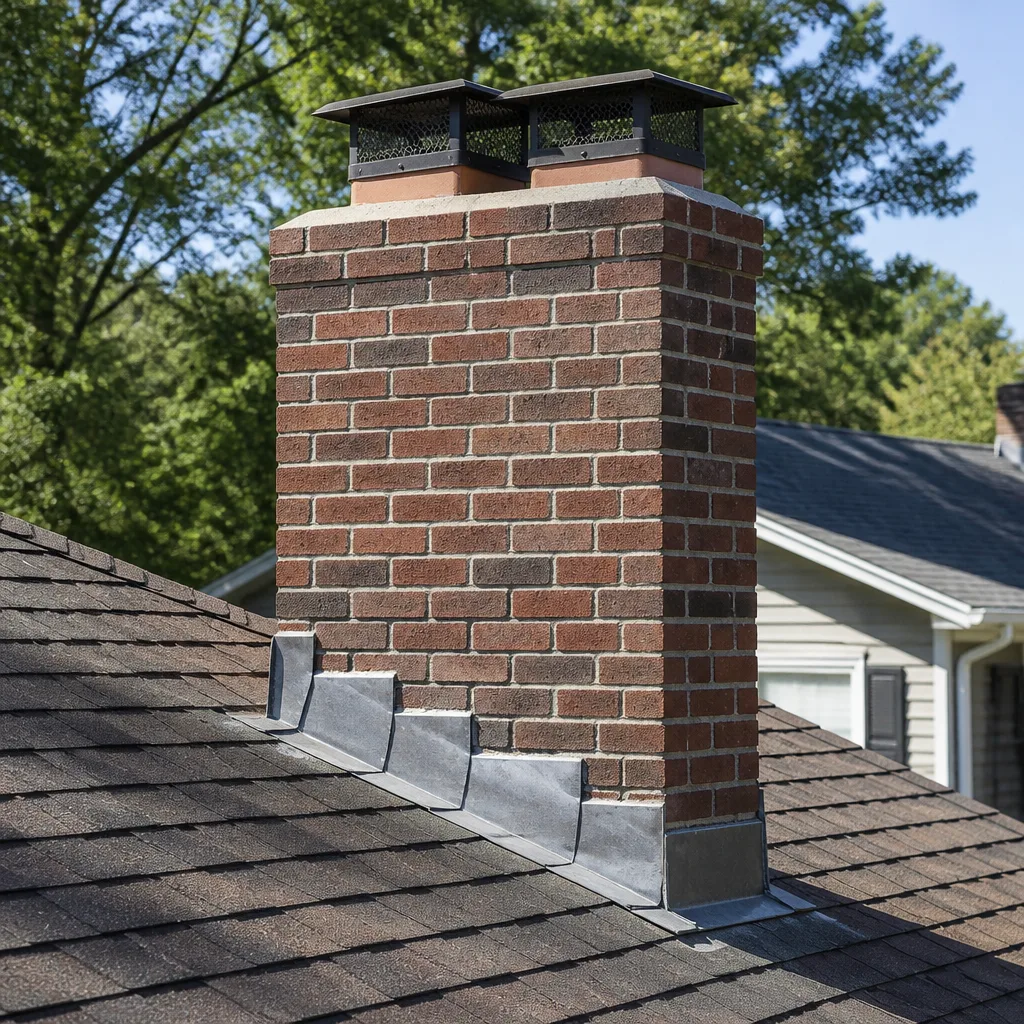 Masonry repair
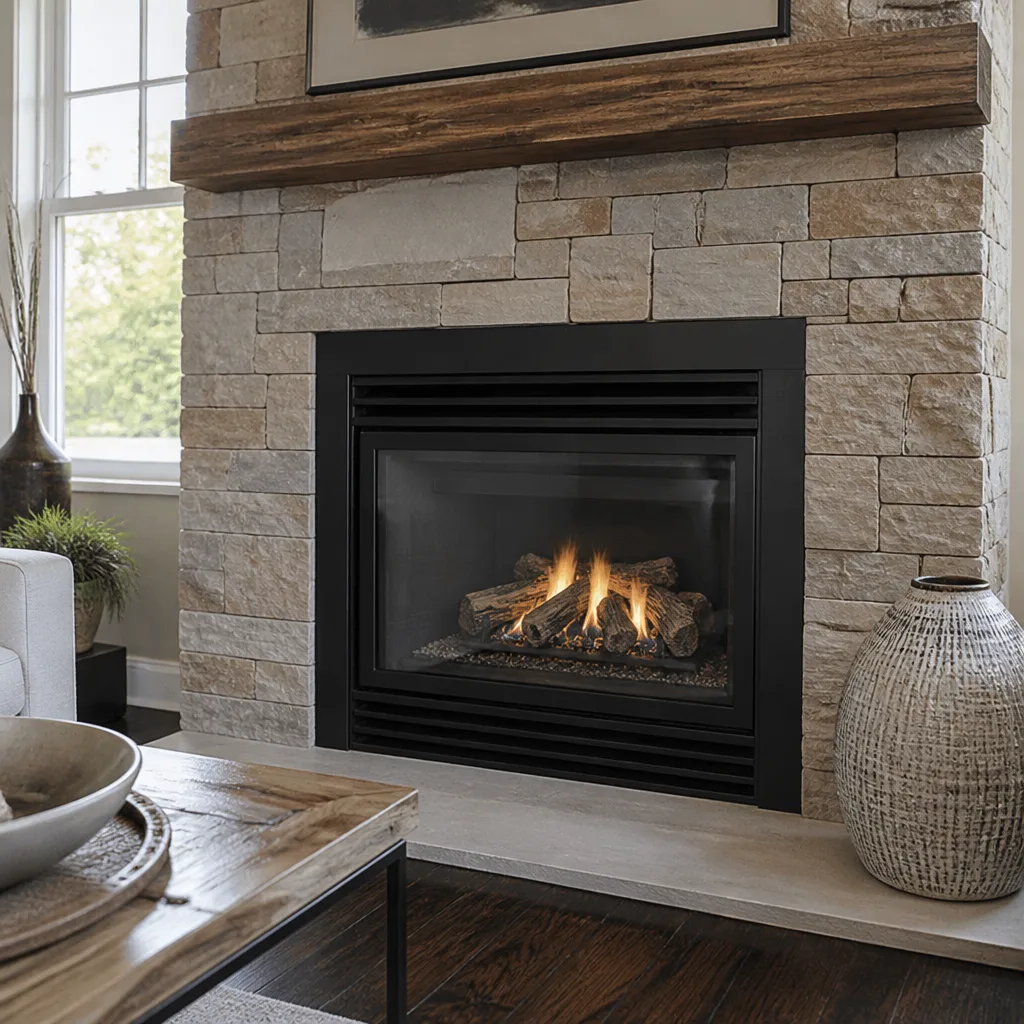 Gas fireplace service
Level 1 sweep and inspection to the NFPA 211 annual standard - flue, crown, cap, and flashing checked and photographed
Chimney sweep logs do not sweep chimneys. They loosen some creosote - which then falls where a brush and vacuum still have to collect it.
Chimney Sweep Maintenance Checklist for Thornton Homeowners
A chimney cap that looked fine in October can fail by February in Thornton, and it usually isn’t the installer’s fault. It’s the freeze-thaw cycle. At this elevation, Thornton swings above and below freezing dozens of times through winter, and every thaw pushes moisture into masonry that the next freeze pries apart. The checklist most homeowners use was written for a mild climate and misses that entirely. This guide fixes it. You’ll get three seasonal checklists built around how a chimney actually ages in Thornton, the difference between glazed creosote and ordinary soot, the handful of inspections you can safely do yourself, and the ones that need a camera down the flue.
Quick Answer
A Thornton chimney needs a professional sweep and inspection once a year if you burn regularly, a self-check before the first fire in September, a mid-season look at the firebox in January, and a spring assessment of the crown, mortar joints, and flashing in April. Most of the real damage here comes from water and freeze-thaw cycling, not from the fire itself, so the spring and fall checks matter as much as the sweep.
Styles & brands we work with
- Sweep & inspection
- Caps & crowns
- Flue relining
- Masonry repair
- Gas fireplace service
Table of Contents
- Why a Thornton Chimney Ages Differently
- The September Checklist: Before the First Fire
- The January Checklist: What 60 Days of Burning Tells You
- The April Checklist: Catching Winter Damage Early
- DIY-Safe Checks vs. Checks That Need a Camera
- Reading Creosote: Soot, Glaze, and the Stage That Matters
- Water, Crowns, and Why Moisture Is the Real Enemy
- How Often to Schedule Your Sweep
Why a Thornton Chimney Ages Differently
A chimney is a masonry tower exposed to weather on all four sides, and in Thornton that weather does more work than it does in a gentler climate. The freeze-thaw pattern is the main driver. Water gets into a hairline crack in the mortar or a porous brick face, then a cold night drops below freezing and the water expands. Repeated enough times, the brick face flakes off. That’s spalling, and it’s common here.
The second stressor is hail. Spring and summer storms along the Front Range hammer the top of a chimney, and the cap and crown take the hit. A cap that lost a screw in a June storm can be rattling loose by September, which means rain and birds get in through the very opening it was meant to protect. We use caps and crowns from brands like Gelco and Olympia Chimney because they hold up to that kind of impact, but even a good cap needs to be checked after a hailstorm.
Cottonwood season adds a third wrinkle. Cottonwood fluff blows into cap screens, mortar gaps, and any low spot on the crown, mats down once it gets wet, and holds moisture against the masonry. It also blocks airflow. A cap screen packed with cottonwood fuzz will stop drafting properly, and a smoky fireplace is often just a plugged screen rather than a flue problem.
None of this means a Thornton chimney is fragile. It means the maintenance calendar here has to account for water and impact, not just fire. That’s the logic behind the three checklists that follow.
The September Checklist: Before the First Fire
The first fire of the season is the wrong time to discover a problem, and September gives you a few weeks to fix anything you find. This checklist is what a homeowner can realistically check before lighting up.
- Look at the cap from the ground with binoculars. A pass is a cap sitting flat and level with intact screen and no visible rust-through. A fail is a tilted cap, missing screen, or a screen packed with debris. A loose cap is a water-intrusion and animal problem, not a cosmetic one.
- Scan the crown for cracks. The crown is the sloped concrete top that sheds water away from the flue. Pass is a smooth slope with no cracks wider than a hairline. Fail is any crack you can get a fingernail into, or a crown that has cracked away from the flue tile. Water down a crown crack goes straight into the chimney structure.
- Check the flashing where the chimney meets the roof. Pass is intact metal flashing with a clean caulk line. Fail is visible gaps, lifted flashing, or rust. Flashing leaks show up as water stains on the ceiling near the chimney, sometimes weeks after the storm that caused them.
- Open the damper and look up with a flashlight. Pass is a clear flue with visible tile or liner and no obvious cracks. Fail is visible cracking in the flue tile, heavy flaking, or daylight where it shouldn’t be. Don’t reach up into the flue; just look.
- Check the firebox for loose brick and crumbling mortar. Pass is tight joints and seated brick. Fail is any brick that moves when you press it, or mortar that crumbles to the touch. A loose firebox brick is a fire-containment issue.
- Clear the firebox of last year’s ash and check the smoke shelf. Ash buildup reduces draft. The smoke shelf should be clear of debris and soot.
If everything passes, you’re ready for the first fire. If anything on the list fails, that’s what the September sweep is for. A certified inspection documents exactly what your chimney needs, nothing more.
The January Checklist: What 60 Days of Burning Tells You
By January, you’ve burned through enough wood to see what your burning habits are doing to the chimney. The mid-season check isn’t about looking for disaster; it’s about reading what the firebox and flue are telling you while you can still adjust.
Start with the firebox walls. A light dusting of gray soot is normal. Shiny, tar-like deposits are not. That shine is glazed creosote, and it’s the stage that actually ignites. You can recognize it by the way it looks like hardened black glass and won’t brush off. Standard soot is powdery and brushes away. Glazed creosote needs a professional sweep with the right tools, and the full breakdown is in the creosote section below.
Next, check the damper operation. It should open and close smoothly with no grit. A sticky damper is often a sign of soot buildup on the damper blade, which can also mean the flue above is loading up faster than it should.
Look at the firebox floor and grate. Ash buildup beyond a few inches slows draft. Grate sag from heat warping is normal over time but worth noting.
Listen to the chimney during a fire. A steady, quiet draft is right. A rumbling sound, a roar, or flue tiles knocking against each other are warning signs that the flue is under stress or the tiles are loose.
If the fireplace has been burning woods that smoke heavily or have been sitting wet, the creosote loading will be faster than dry, seasoned wood. That’s worth adjusting now rather than waiting until spring. Our technicians have up to 12 years of experience and have seen plenty of mid-season fireboxes; the ones that load up fastest are the ones where the wood wasn’t fully dry to begin with.
Finally, check the cap from inside the house if you can see the flue through a fireplace opening. A cap that was fine in September could have a hail-dented screen by January. If the draft suddenly drops mid-season, check the screen before assuming anything worse.
The April Checklist: Catching Winter Damage Early
Spring is the most underrated season for chimney care in Thornton. Winter’s freeze-thaw cycling has been working on the masonry for months, and the damage is fresh and identifiable in April. Fixing it before the summer moisture sets in is cheaper than waiting for fall.
- Re-inspect the crown for new cracks. Winter is when crown cracks open up. Look at the same spots you checked in September and see what changed. A new crack in the crown is a direct path for spring rain.
- Check the mortar joints on the exterior of the chimney. Run your eye down the full height. Mortar that has receded from the brick, cracked, or left the brick faces proud of the joints is winter damage. That’s the freeze-thaw signature. If you see brick faces spalling (flaking off in layers), the brick itself absorbed water and froze. This is common on the south and west faces here where sun drives off the last of the snow, then refreezes at night.
- Look at the flashing again. The spring melt and rain are the test. If you see water stains on the chimney exterior or along the roofline near the flashing, the seal has failed.
- Inspect the cap after hail season. Spring storms roll through Thornton and can dent or loosen a cap. Check that the cap is still seated flat and the screen is intact.
- Clear cottonwood debris off the crown and around the cap base. Cottonwood season starts in late spring and runs into early summer. Fuzz that lands on the crown before the rain mats down; a clear crown drains better.
- Schedule the spring sweep if you burned heavily. A sweep in spring or early fall is fine; the point is once a year, not the exact month.
If the flashings, crown, and joints all look good in April, you’ve confirmed the chimney is on track for the year. If they don’t, you’ve caught it before the moisture got in.
DIY-Safe Checks vs. Checks That Need a Camera
Most chimney checklists either tell you to do nothing yourself or imply you can skip the professional. Neither is honest. Some checks are genuinely safe to do yourself. Some aren’t. Here’s the line, and the reasoning behind it, so you can tell which is which.
Safe to do yourself
- Visual inspection of the cap, crown, and flashing from the ground with binoculars.
- Checking the firebox for loose brick, crumbling mortar, or heavy ash.
- Testing the damper for smooth operation.
- Looking up the flue from the fireplace opening with a flashlight.
- Clearing cottonwood debris from the crown and around the cap base from the ground or a safe ladder, if you’re confident on a ladder. If you’re not, skip it.
Needs a professional
- Any roofline work. Getting on a roof, especially a pitched one, around a chimney, is a fall hazard. Chimney pros are set up for it; most homeowners aren’t.
- Camera inspection of the flue. A video camera down the flue is how we see cracks, gaps in liners, and creosote condition that a flashlight from below can’t show you. Lightning cracks, displaced tiles, and gaps behind the smoke chamber are invisible from the firebox.
- Sweeping. A flue brush is not a complicated tool, but a sweep done badly can dislodge glazed creosote onto the smoke shelf or damage a liner. A professional sweep is also where the inspection happens.
- Firebox and smoke chamber repairs. Refractory mortar and firebox rebuilds require the right materials and the right cure. Loose brick in the firebox is a fire safety issue, not a handyman job.
- Liner work. Whether it’s a HeatShield resurfacing for a repairable flue or a DuraFlex liner for a damaged or undersized one, the sizing and installation have to match the appliance. Getting it wrong is a carbon monoxide risk.
The honest reason to bring in a pro isn’t liability. It’s that the items above need either the right tool or a view you can’t get from the ground, and getting them wrong has consequences that go beyond a smoky fire.
Reading Creosote: Soot, Glaze, and the Stage That Matters
Creosote is the residue wood smoke leaves behind, and it builds up in stages. Knowing which stage you’re looking at is the difference between scheduling a routine sweep and having a real problem on your hands. There are three stages, and they look different.
- Stage 1: Soot and light flake. Gray, powdery, brushes off easily. This is what a normal sweep removes. It’s not dangerous in itself, but it’s the precursor to the next stage.
- Stage 2: Hard, crusty deposits. Darker, flaky, and won’t brush away with a light pass. This is where burning habits show. Wet wood, cool flue temperatures, and smoldering fires produce more of it. It’s time for a sweep.
- Stage 3: Glazed creosote. Shiny, black, tar-like. It looks like hardened glass and it ignites at a lower temperature than the other stages. This is the stage that causes chimney fires. A brush alone won’t remove it; it needs chemical treatment or rotary cleaning, and it’s the reason not to skip a sweep when the firebox shows shine.
The main habits that push you toward stage 3 are wet or unseasoned wood, a flue that stays cool because the fire is burned small and smoldering, and burning softwoods heavily without ever getting a hot, clean burn. If your firebox has that glossy black look by January, talk to us about a mid-season sweep rather than waiting until spring.
Water, Crowns, and Why Moisture Is the Real Enemy
The fire gets the attention, but water does more long-term damage to a Thornton chimney than combustion does. The chain of events is consistent: a cracked crown lets water in, the water soaks into the masonry and mortar, a cold night freezes it, the expansion cracks the mortar, the crack lets in more water, and eventually the chimney needs a rebuild that started with a hairline crack in the crown. We stop it at the crown.
The crown is a concrete cap on top of the chimney, sloped to shed water. When it cracks or pulls away from the flue, water runs straight into the chimney structure. Repairing the crown early is one of the cheapest fixes in chimney work; rebuilding the top of a chimney is one of the more expensive.
The cap is the second line of defense. It keeps rain, snow, birds, and squirrels out of the flue, and a hail-dented or loose cap is a hole in the armor. A good cap from a brand like Copperfield or Olympia Chimney is a specific shape and fit for your flue; a generic cap that doesn’t fit properly lets water in around the edges.
Flashing is the seal where the chimney meets the roof. When it fails, water runs down the roof and into the attic around the chimney. The interior damage often shows up far from the chimney itself, which is why flashing inspections matter even when nothing looks wrong outside.
On the interior side, a chimney liner keeps combustion gases inside the flue and away from the wood framing of the house. A cracked or missing liner is a carbon monoxide risk, and it’s not something you can eyeball from the firebox. That’s what the camera inspection is for.
How Often to Schedule Your Sweep
Once a year is the baseline for a Thornton home that burns regularly through the winter. Sweeps are usually booked in the fall, before the first fire, or in spring after the burning season ends. A yearly sweep and inspection also catches the crown, cap, and flashing issues covered in the checklists above.
If you burn every day through the winter, or if your firebox showed glazed creosote mid-season, a second sweep partway through the burning season is worth it. A chimney that smokes, drafts poorly, or has a strong smell between fires is also due for a sweep regardless of the calendar.
For a home being sold, an inspection and photo report gives a buyer and their insurer a documented baseline. That’s a chimney inspection service done for a specific purpose, not a sales pitch. We recommend starting with a chimney sweep and inspection if the chimney hasn’t been touched in more than a year; if the inspection turns up firebox or crown problems, that’s where the repair conversation starts, and a fireplace repair or a full chimney repair can follow from there.
Common Mistakes to Avoid
- Treating the pre-season check as the only check. One inspection in September doesn’t tell you anything about how the chimney is behaving after two months of burning. The January and April checks catch what September can’t.
- Waiting until the first cold snap to book a sweep. Sweep demand spikes when the first fire is on the schedule. Book in September or October in Thornton, or wait for spring when the calendar is quieter.
- Assuming a smoky fire is a chimney problem. The most common cause of a smoky fireplace in Thornton is a cap screen packed with cottonwood fuzz or a partially closed damper. Check the easy causes first.
- Ignoring a loose cap through the winter. A cap that shifts after a hail storm lets water in through the very opening it was meant to close. A cheap fix in September is an expensive fix by spring.
- Skipping the sweep because the firebox looks clean. The firebox is the wrong place to judge flue condition. The firebox can look fine while the flue above is loading up with stage 2 or stage 3 creosote.
- Burning wet wood to save money. Wet wood burns cool, which is exactly the condition that produces glazed creosote. Seasoned, dry wood burns hot and clean and produces less residue.
- Doing a firebox or smoke chamber repair without confirming the material. Standard mortar won’t hold up to firebox temperatures. Firebox and smoke chamber repairs need refractory materials.
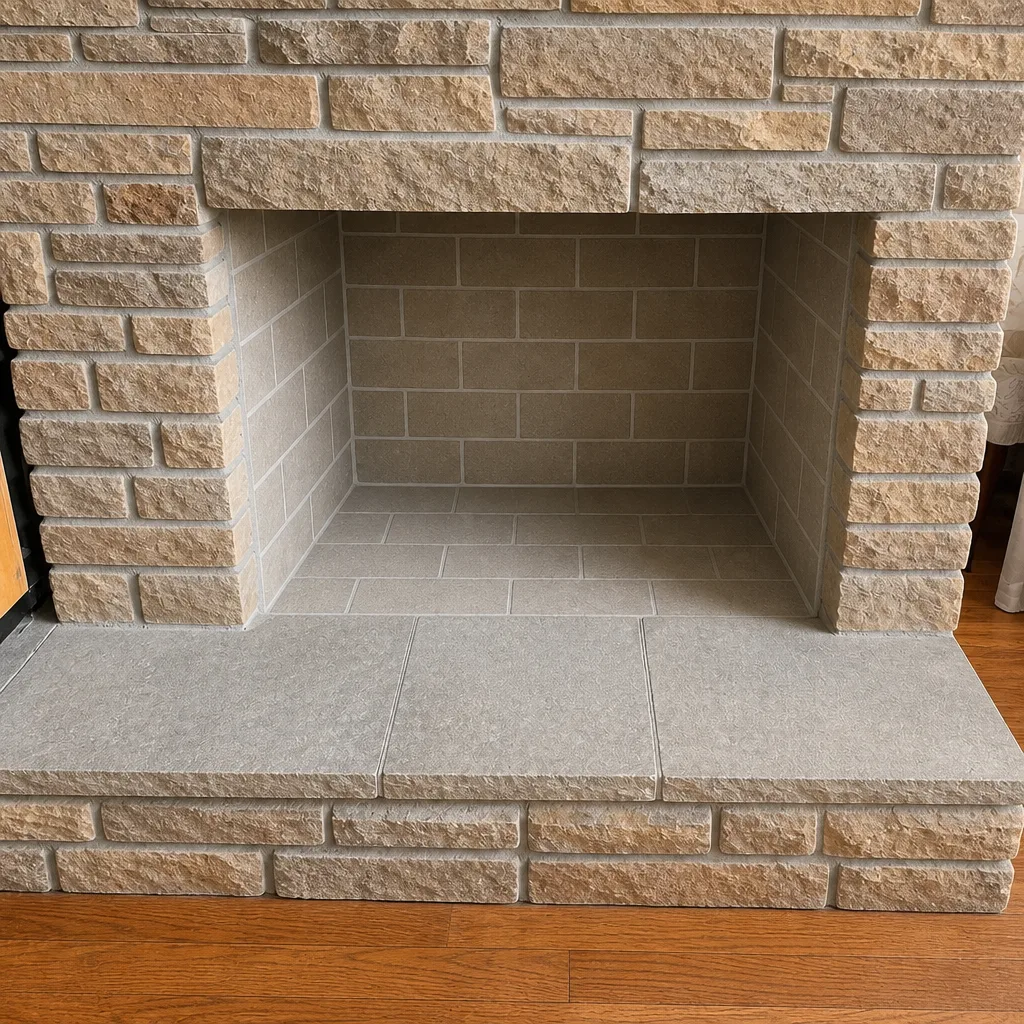
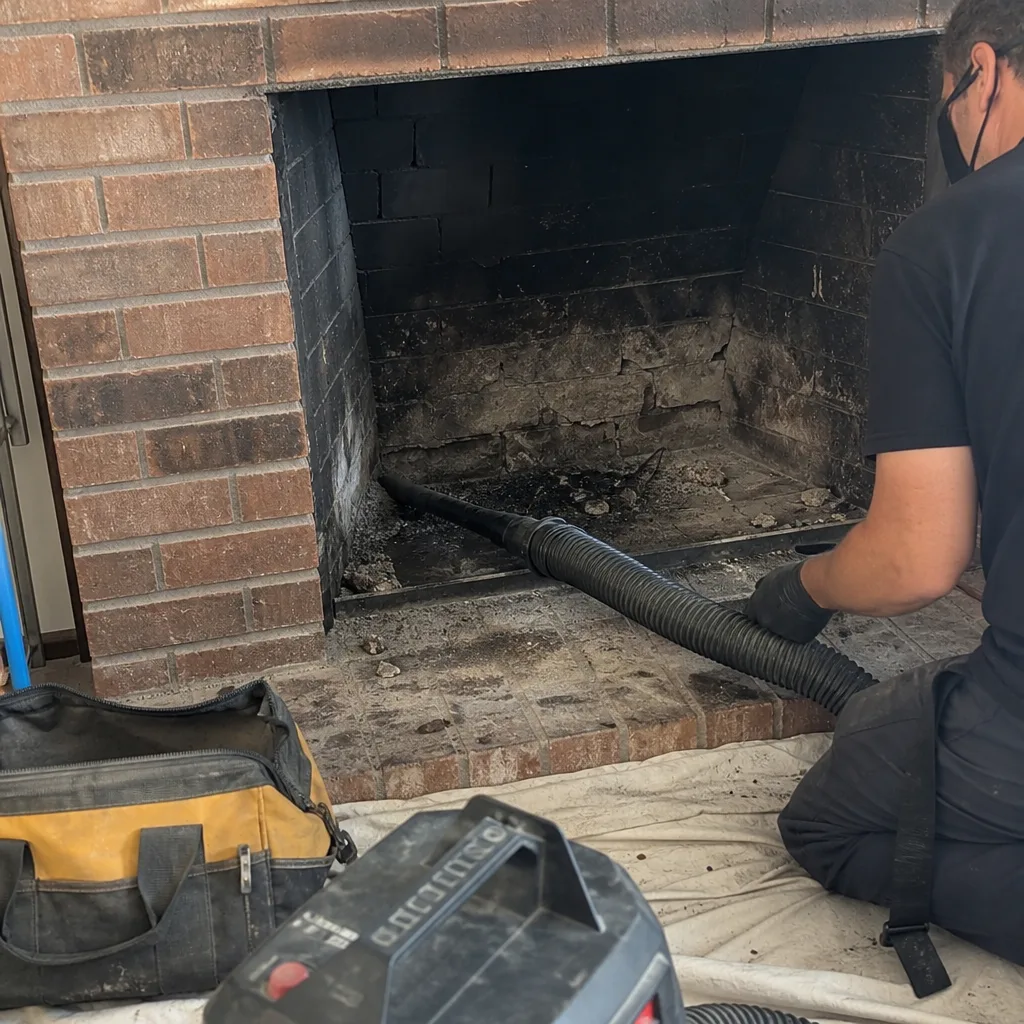
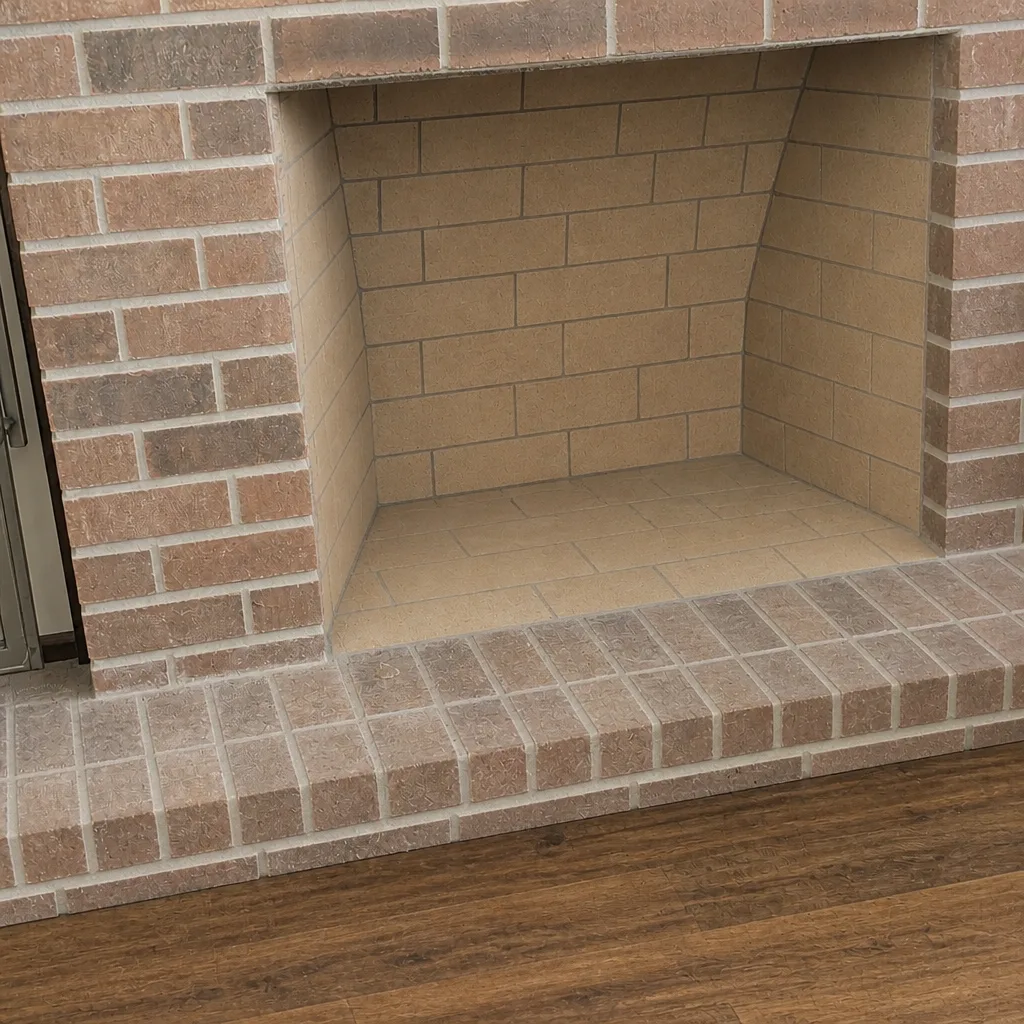
See the difference
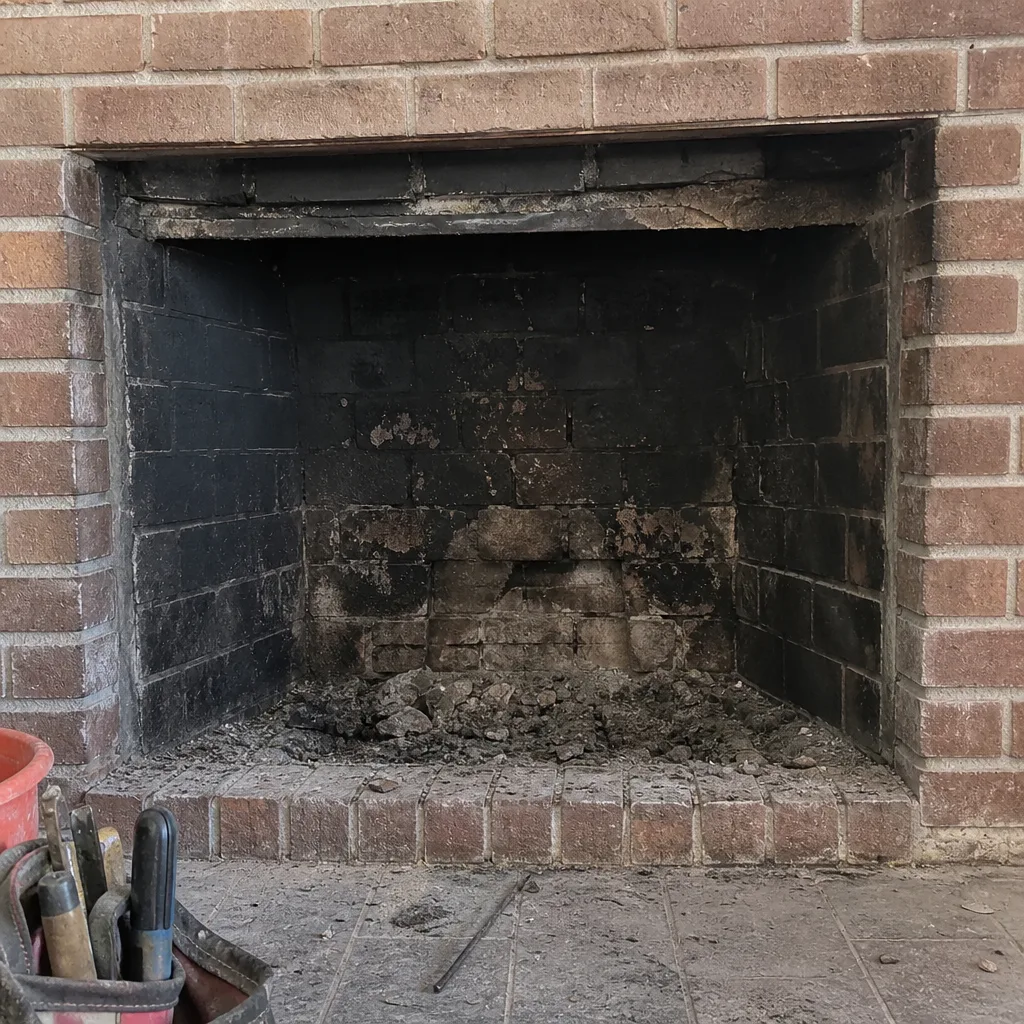 Before
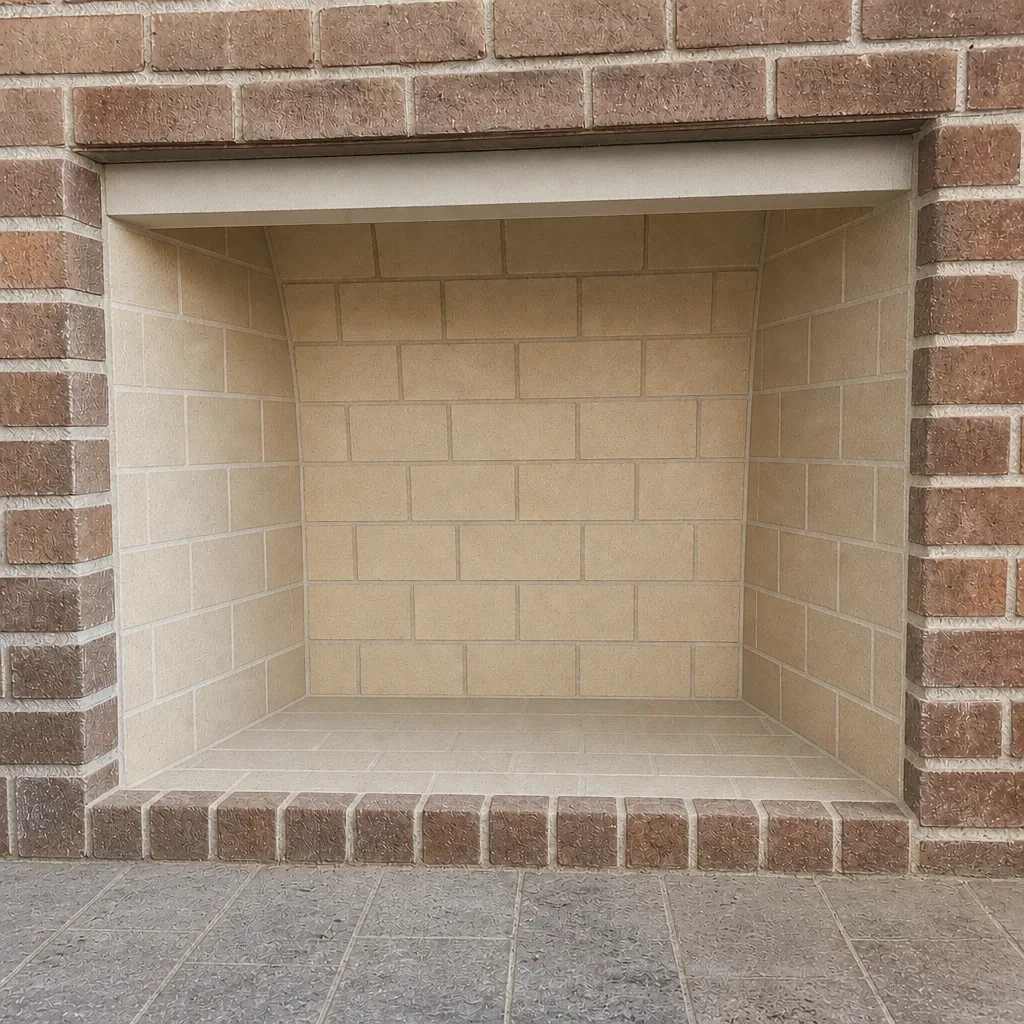 After
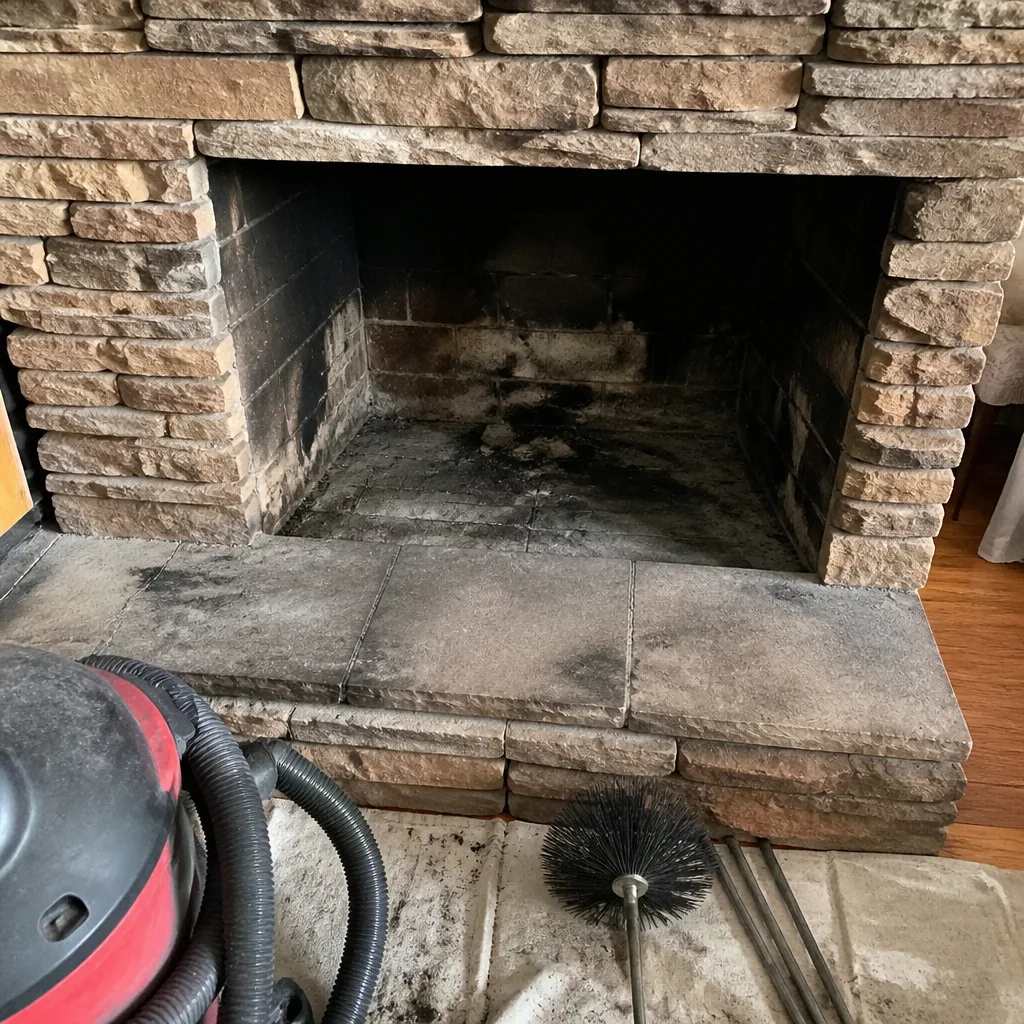 Before
 After
 Before
 After
When to Call a Professional
Some signals in a chimney mean stop and call. If you smell strong creosote inside the house between fires, or if a fire blackens the glass of the fireplace or smokes into the room, don’t light another fire until it’s looked at. Same for flue tiles that rattle or crack, and any firebox brick that moves. A loose firebox brick isn’t a cosmetic issue; it’s a fire-containment failure, and it needs to be addressed before the next burn. If you’ve had a chimney fire of any size, even a small one you put out yourself, have the flue inspected with a camera before you burn again.
For routine work, if you’ve hit the September, January, or April checklist and something on the list failed, that’s the trigger. Thornton Chimney Sweep Pros offers free estimates in Thornton. Call (866) 937-7966. We answer 24/7. Fast dispatch from 7am to 7pm, Sunday through Friday.
Frequently Asked Questions
Once a year for a home that burns regularly through the winter, with a second sweep during the season if the firebox shows glazed creosote or the chimney is smoking. The yearly sweep and inspection is the baseline; the spring and fall checklists above catch what the annual sweep alone wouldn’t. Call (866) 937-7966 to book a sweep at the right time in Thornton.
Glazed creosote looks like a shiny, black, tar-like coating that won’t brush off. It’s the stage that ignites, which is why it’s the one that causes chimney fires. Standard gray soot brushes away; glazed creosote needs professional removal, so if you see that shine in the firebox, call us at (866) 937-7966 for a sweep.
Yes, for the safe items: binoculars on the cap, eyes on the crown, checking the flashing and firebox, testing the damper, and looking up the flue with a flashlight. Anything on the roof, or anything involving the inside of the flue, needs a professional with a camera. Call (866) 937-7966 for a free estimate if you find something on the checklist.
Mortar spalling in Thornton is mostly caused by freeze-thaw cycling. Water gets into the mortar or brick face, freezes overnight, expands, and pries the face away. Repairing receded mortar and sealing the crown early stops the cycle before it reaches the brick itself. Call (866) 937-7966 for an inspection and a documented assessment.
Yes. A documented inspection protects both sides of the transaction and can be used for insurance and repair planning. It also gives a buyer a clear picture of the crown, cap, flashing, and flue before the deal closes. Call (866) 937-7966 to schedule an inspection report.
The crown is failing if you see cracks you can get a fingernail into, or if it has pulled away from the flue tile. Flashing is failing if you see gaps, lifted metal, or water stains near the chimney. Both need professional repair; call (866) 937-7966 for a free estimate on either.
The Bottom Line
The right chimney checklist for a Thornton home has three seasons, not one: a September self-check before the first fire, a January look at what 60 days of burning shows, and an April assessment of freeze-thaw damage before moisture sets in. Pair that with one professional sweep and camera inspection a year, watch the crown, cap, and flashing for water damage, and get glazed creosote handled the moment you see it. Everything on the checklists above ties back to those three things. If a step fails, don’t wait for the next season to fix it. Call (866) 937-7966. We answer 24/7. Fast dispatch from 7am to 7pm, Sunday through Friday. Visit Thornton Chimney Sweep Pros to book a free estimate.
Written by the team at Thornton Chimney Sweep Pros.