
Last updated November 23, 2026
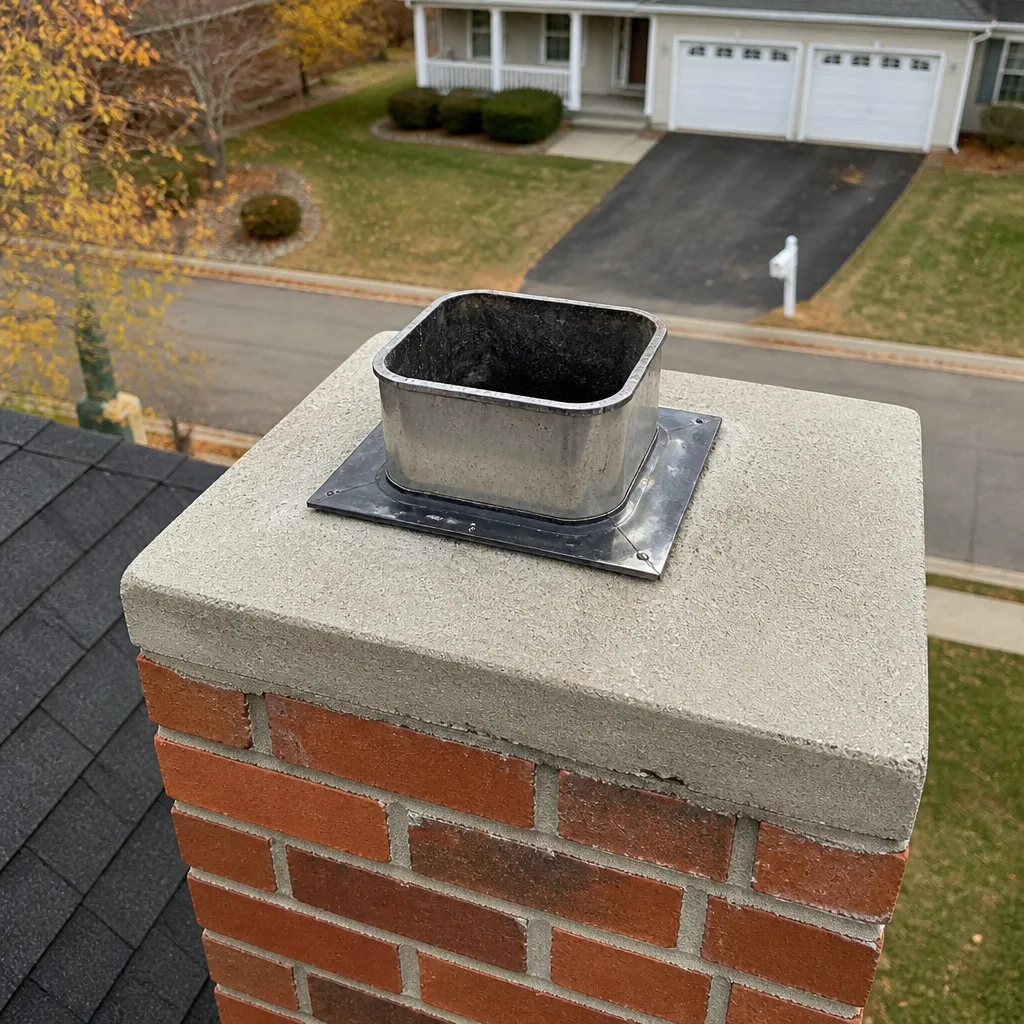 Sweep & inspection
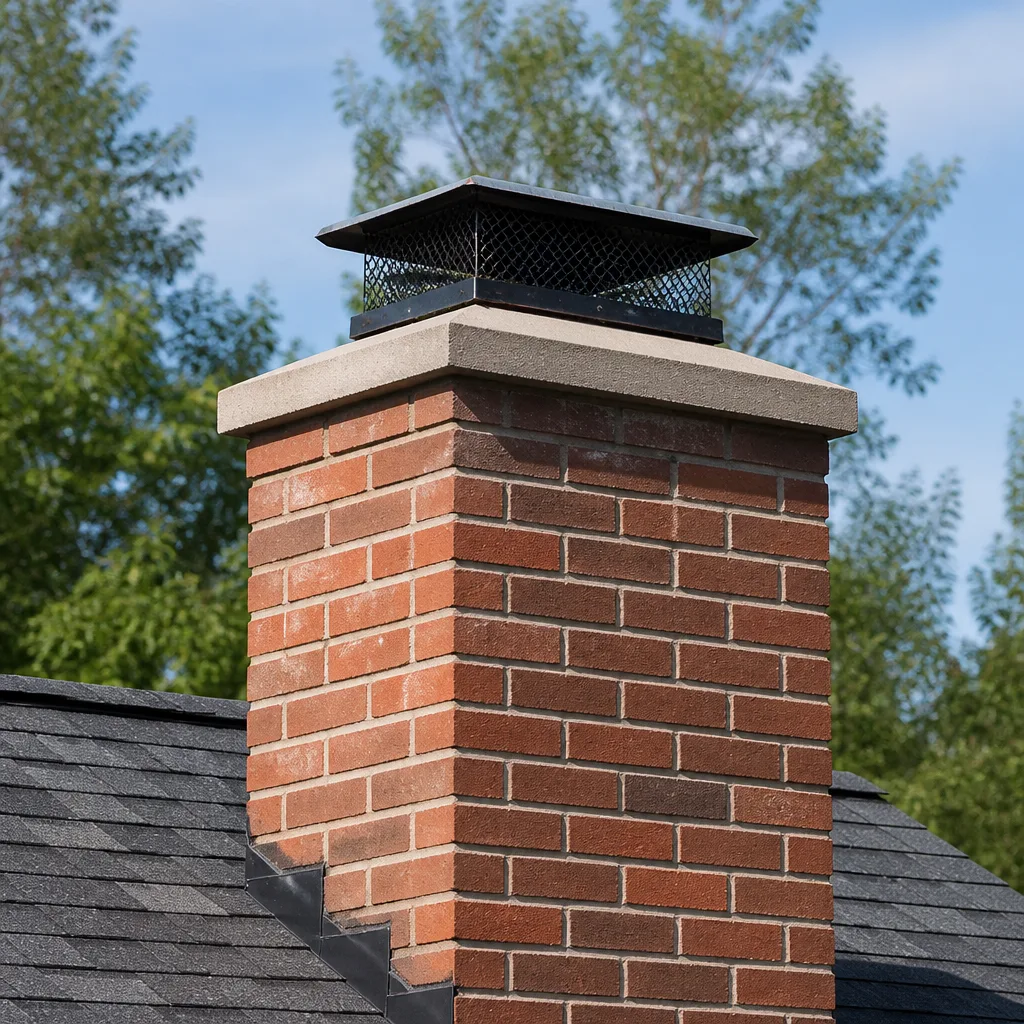 Caps & crowns
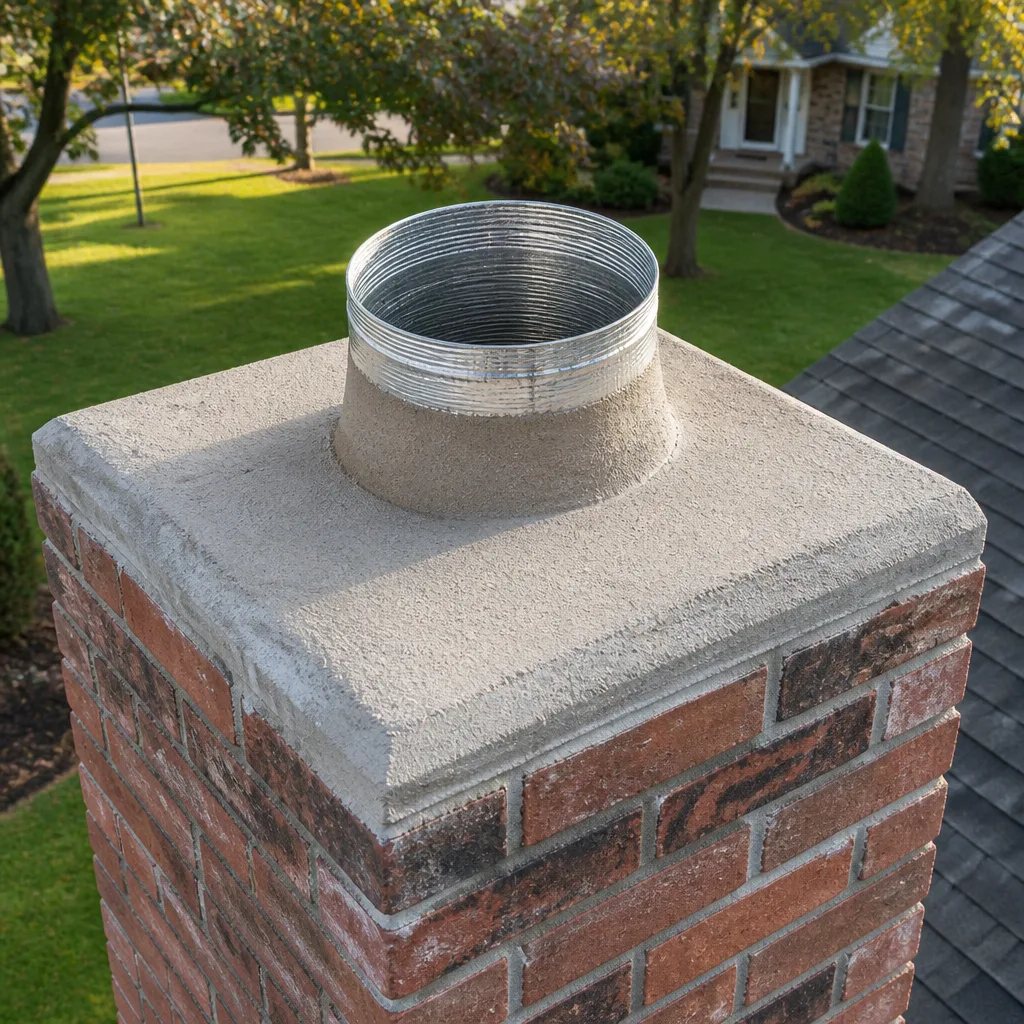 Flue relining
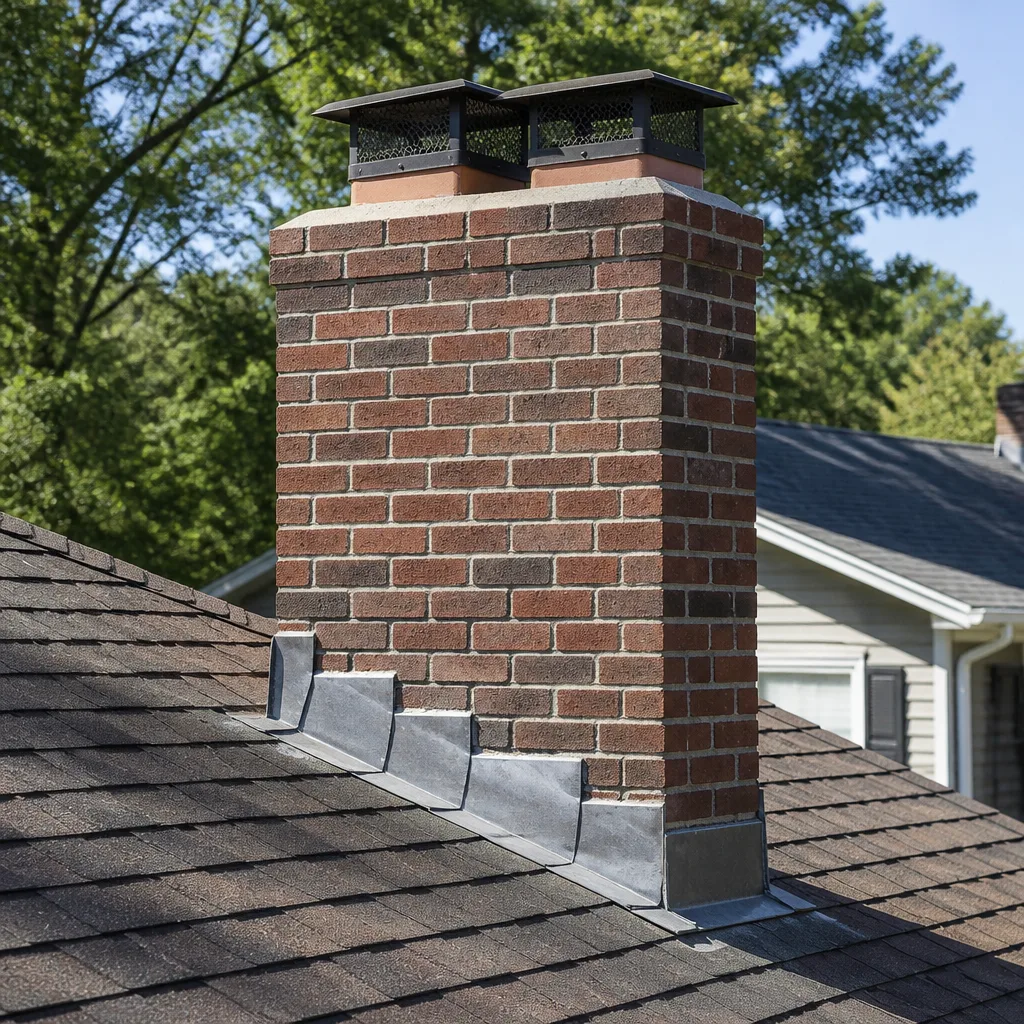 Masonry repair
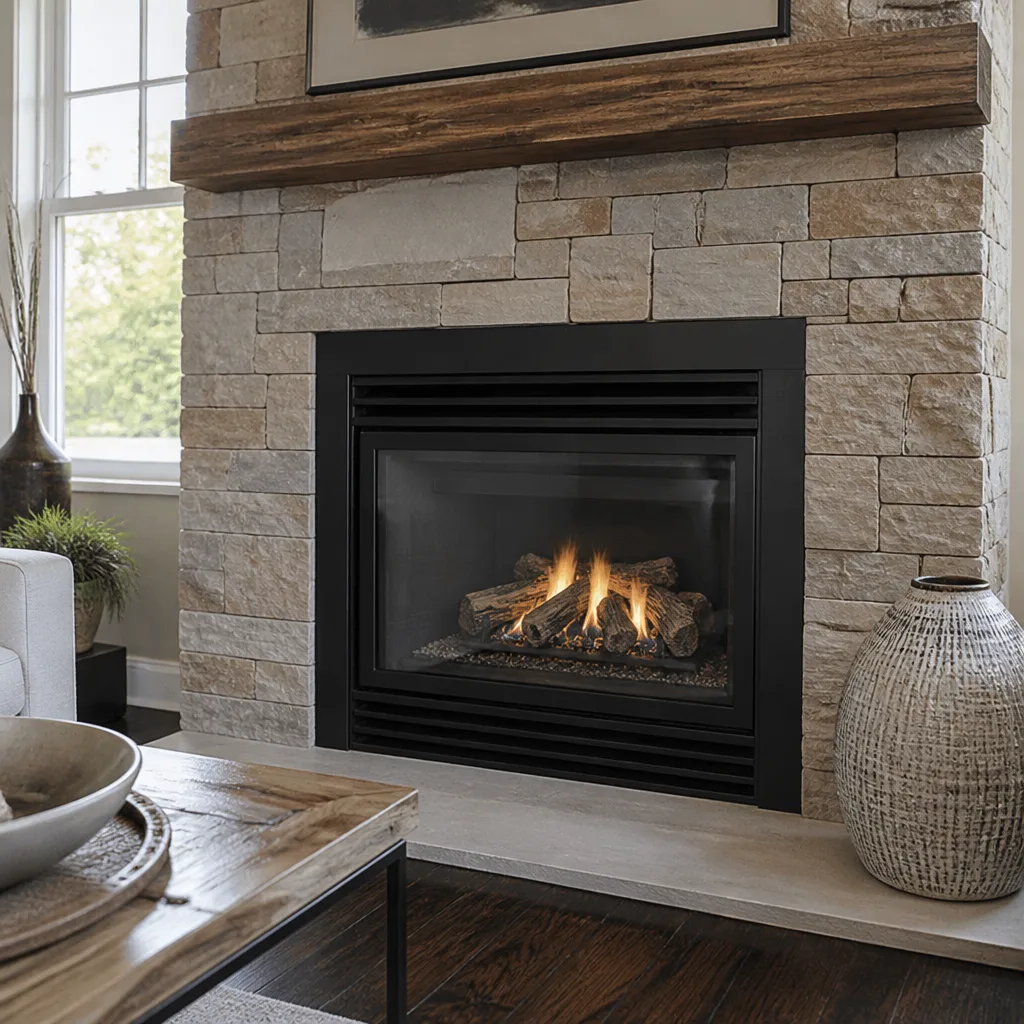 Gas fireplace service
Level 1 sweep and inspection to the NFPA 211 annual standard - flue, crown, cap, and flashing checked and photographed
Chimney sweep logs do not sweep chimneys. They loosen some creosote - which then falls where a brush and vacuum still have to collect it.
Chimney Cleaning Warning Signs: A Thornton Homeowner’s Reference Guide
Most chimney problem lists tell you to watch for smoke in the room and a fire that won’t light. You already know those. The signals that actually matter in Thornton show up earlier and quieter: a chalky white bloom on the brick, a damper that fights you by half an inch, a fire that takes ten seconds too long to draw on a cold morning. None of these look like an emergency. Each one is the system telling you something is changing inside the flue or the crown before the damage reaches the point where a repair becomes a rebuild. What follows is a reference to those subtle signs, what they mean, what you can check yourself, and when to stop checking and call. We’ve walked through a lot of Thornton chimneys, and the pattern is almost always the same: the small signals arrive months before the expensive ones.
Quick Answer
The warning signs of a chimney that needs cleaning or repair in Thornton are creosote odor that shifts from smoky to sharp and oily, white efflorescence on exterior brick, a damper that becomes stiff or drops suddenly, spalling firebrick or mortar dust on the smoke shelf, rust streaks in the firebox, and smoke that spills into the room at low firebox temperatures. White efflorescence, a stiff damper and a delayed draft are the three most commonly ignored early signs, and each points to moisture or obstruction rather than ordinary soot. A professional inspection confirms which of these you’re actually seeing and whether a standard sweep is enough or the flue needs something more.
Styles & brands we work with
- Sweep & inspection
- Caps & crowns
- Flue relining
- Masonry repair
- Gas fireplace service
Table of Contents
- White Stains on Exterior Brick: What Efflorescence Really Means
- The Difference Between a Normal Soot Smell and Stage-2 Creosote
- Why a Stiff Damper Often Isn’t a Mechanical Problem
- Draft and Smoke Patterns That Point to a System-Level Issue
- What to Look For Inside the Firebox Before You Call
- The Crown and Cap: Where Most Thornton Chimney Problems Begin
- What a Real Inspection Documents
- The Right Time to Book in Thornton
White Stains on Exterior Brick: What Efflorescence Really Means
Efflorescence is a white, chalky, crystalline deposit that appears on the exterior of a brick chimney. It isn’t a cosmetic film. It’s water that entered the masonry, dissolved salts from the brick and mortar, and then migrated back out and dried on the surface, leaving the salts behind. The appearance of efflorescence is proof that moisture is moving through the chimney structure. In a place like Thornton, where winter swings between freezing nights and mild afternoons, that moving water is the mechanism that tears mortar apart.
Water is the single most destructive force acting on a chimney, and in a freeze-thaw climate it works on an accelerated schedule. It seeps into tiny cracks and pores in the mortar, freezes, expands, and forces the masonry apart from the inside. That cycle repeats throughout a Colorado winter. The efflorescence you see on the outside is the visible end of a process that’s already happening inside the joint. Left alone, the next stage is spalling: the face of the brick flakes and pops off, and the mortar joints crumble. What started as a stain becomes a rebuild.
How to Tell Efflorescence From Surface Staining
- Texture: efflorescence is powdery and crystalline. It brushes off and often returns in the same spot. A stain from dirt, rust or exhaust doesn’t brush away.
- Color: it’s white to pale gray. Rust staining is orange or brown. Soot and dirt are dark.
- Location: efflorescence typically appears in horizontal bands near the middle or bottom of the chimney, wherever water is pooling behind the brick and finding a way out. It shows up most often below the crown and around the flashing, which is where water gets in.
- Behavior: efflorescence recurs after rain or after a snowmelt. Dry patches that never change are less likely to be active moisture movement.
If the white bloom is recurring, that’s a crown, cap or flashing problem, and there’s no chimney product or sealer that fixes it from the outside. Water has to be stopped at the top of the chimney. In our experience, the biggest mistake Thornton homeowners make is waiting until the white stretches across the whole face of the chimney before calling. By then the moisture has usually done its work on the mortar joints behind it. Book a chimney inspection when the efflorescence first shows and you have the chance to intervene at the crown instead of the fireplace.
The Difference Between a Normal Soot Smell and Stage-2 Creosote
Every chimney smells like a chimney. A faint smoky odor in a cold firebox is normal, and a hint of soot when you open the damper after a long gap in use isn’t a red flag. What changes is the character of that smell. When it turns sharp, tarry, or oily, you’re smelling creosote, and that’s a material change with real significance for both safety and the cost of cleaning.
The Three Stages of Creosote
- Stage 1: soot and light flaky deposits. A soft, dusty, dark layer you can brush off easily. A routine sweep handles it. This is the ordinary condition of a firebox that sees regular use.
- Stage 2: hardened, crunchy, or tar-like deposits. A thicker layer that looks like dried tar or brittle flakes. It clings to the liner and requires more than a light brushing. This is where the sharp, oily smell shows up, especially on warm days when the firebox has sat idle.
- Stage 3: glazed creosote. A shiny, hard, glassy coating that has fused to the flue interior. It’s the most combustible form and the hardest to remove. Standard sweeping brushes won’t take it off. This stage often requires chemical treatment and repointing, and sometimes the flue is degraded enough that a liner replacement makes more sense.
What a lot of homeowners don’t realize is that stage-2 and stage-3 creosote aren’t just a fire hazard. They’re a signal about the flue’s condition underneath. Glazed deposits form where the flue surface has been degraded by moisture or heat, and removing the creosote exposes the underlying damage. This is where an honest assessment matters. If the technician recommends anything beyond a sweep, ask to see the camera images. If a chimney repair is on the table, it should be backed by evidence you can look at yourself, not a guess from the top of the roof.
If the smell is sharp and the firebox has been unused for a few months, that alone is worth a call. A standard sweep isn’t always the right answer.
Why a Stiff Damper Often Isn’t a Mechanical Problem
A damper that’s stiff, stuck or suddenly drops hard is one of the most misunderstood warning signs in a chimney. Most homeowners assume the damper mechanism has failed and call a generalist contractor to replace it. In fact, a damper change in behavior frequently signals a crown crack or debris accumulation higher up in the flue. The damper itself is often fine.
The damper sits at the base of the flue, above the firebox. It’s the first control surface of the draft system. When the crown at the top of the chimney cracks, chimney debris, mortar fragments and bits of flue tile fall down the flue and land on the damper. The damper gets stiff because it’s being ground against grit. The frame warps from pressure. Then the damper sits slightly open, draft weakens, and smoke starts spilling. None of this looks like a damper problem until you take the camera up the flue and see the debris source.
A damper that drops shut or slams under its own weight can also indicate a rusted pivot or a broken linkage, which is a real mechanical issue. But the overlap with moisture and obstruction is broad enough that the only honest way to diagnose it is to look. When we’re called for a damper, the first thing we do is a full system inspection. Sometimes we find a bent linkage that needs lubrication. Just as often we find a cracked crown that’s been dropping gravel onto the damper plate for years, and the damper was never the problem.
Draft and Smoke Patterns That Point to a System-Level Issue
Smoke that spills into the room isn’t always a user error. There’s a category of draft behavior that signals a problem in the chimney system itself, and every winter in Thornton produces calls about it. Learning to tell the difference is the point of this section.
What Normal Draft Looks Like
When a chimney is working properly, a cold flue will pull once the fire heats it, usually within a couple of minutes. Smoke rises cleanly into the hood. On a windy day, the fire draws harder and the smoke travels cleanly up. On a still day, the draw settles into a steady pull.
What a System Problem Looks Like
- Delayed draw: the fire lights but smoke hangs in the firebox for 20 to 60 seconds before rising. On a cold morning, the flue should pull faster because the temperature differential between house and outside is bigger. If it takes longer to draw when it’s cold out than when it’s mild, that’s backwards and usually means the flue is obstructed or the liner is degraded.
- Smoke spilling at low firebox temperatures: a small fire smolders and smokes into the room, but a large hot fire clears up. This is not user error. A smoldering fire produces less heat, so it struggles to establish draft. When the flue is partially blocked or has a break in the liner, even a hot fire may fight for the draft. The pattern of “hot fire works, small fire doesn’t” is one of the clearest system-level signals we see.
- Back-puffing: rhythmic puffs of smoke that arrive and recede rather than a steady spill. That can mean the flue is too short for the house geometry, or the crown is cracked at the windward side and pressure changes at the top are pushing back down.
- Cold-complaint complaints that arrive every first fire of the season: a chimney that worked all last year and now smokes on the first cold fire is sending a strong signal. Something changed. Usually it’s a crown piece, a nest in the flue, or a broken tile that’s dropped onto the damper.
Draft patterns aren’t something you should try to fix with a fire poker and patience. If you’re seeing these behaviors more than once, book an inspection. The fix might be a simple sweep or a chimney repair, and the difference matters.
What to Look For Inside the Firebox Before You Call
You can check quite a lot from the firebox without climbing on anything. Look inside before every season, right before the first cold snap. The list below is what we’re looking for when we arrive, and you can spot most of it yourself.
Rust Streaks
Rust streaks or orange-brown discoloration on the firebox interior, the damper frame or the smoke chamber floor indicate moisture. Water has been entering the flue from the top, usually around the crown or the cap. Rust in a firebox that was dry last year is a strong indication of an active leak, not just a humid summer. Left alone, that leak makes its way down to the smoke shelf and rots the mortar joints that hold your flue tiles in place.
Mortar Dust on the Smoke Shelf
The smoke shelf is the flat ledge just above the damper, at the back of the firebox. If you see a fine gray powder accumulating on the smoke shelf, and it wasn’t there before, that’s mortar dust. It’s falling from the flue above. A little grit after a very cold winter isn’t automatically a problem. A recurring accumulation, especially after every fire, means the flue joints are degrading and small pieces are shedding. That’s the kind of subtle signal that often goes unnoticed for exactly one season too long.
Spalling Firebrick
Firebrick is the brick that lines the firebox interior and is designed to withstand direct flame. When firebrick spalls, the surface flakes or crumbles, and the brick face becomes pitted. Spalling firebrick means the brick has absorbed moisture or that the firebox has overheated at some point. A small amount is common and often cosmetic. Spalling that exposes the structural brick behind the firebrick is a fire risk and needs professional attention before the next fire.
Efflorescence on the Interior Masonry
The same white bloom that appears on the outside of the chimney can appear on the inside of the firebox wall. It means the same thing: water is moving through the masonry. Inside, it’s harder to spot and more likely to be missed. Look at the sides of the firebox, especially where the wall meets the hearth.
The Crown and Cap: Where Most Thornton Chimney Problems Begin
The crown is the concrete slab at the top of the chimney that sheds water away from the flue opening. The cap sits on top of the crown, over the flue, to keep water, debris, and animals out. Between the two of them, these parts bear the brunt of every weather system that crosses the Front Range, and they’re where virtually every early warning sign in this guide originates.
What Crown Failure Looks Like
- Hairline cracks: a crack wide enough to see, even a thin one, lets water in. Water freezes in the crack overnight and widens it by morning. Over a few winters, hairline cracks become chunks of missing crown.
- Separation from the flue: the crown should overhang the flue tile slightly. If the gap between the crown and the flue tile has opened up, water runs directly down the flue.
- Crumbling or missing corners: crowns that were poured too thin or without the right slope toward the edge fail first at the corners.
- Moss and lichen: growth on the crown is a sign of standing moisture, which means the crown isn’t shedding water away as it should.
What Cap Failure Looks Like
- Missing or bent cap: a missing cap lets water run directly into the flue, and birds and squirrels find it quickly.
- Debris accumulation on top of the screen: a clogged cap screen is the most common cause of smoke spillage at low temperatures, and the easiest fix.
- Rusted-through metal: mesh or frame rust on a cap means the cap has reached the end of its service life and should be replaced.
Crown and cap work is where the most expensive chimney repairs get prevented. If the crown is sound and the cap is intact, most other chimney problems never start. If they aren’t, every other repair is working uphill. A crown repair or chimney cap installation is one of the few chimney services that saves money on a predictable schedule, and it addresses the root cause instead of the symptoms.
What a Real Inspection Documents
A real inspection is not a guy with a flashlight looking up the flue and telling you it looks fine. It’s a documented assessment of the whole chimney system, with photos and in some cases a video scan of the flue. The value of a documented inspection isn’t the report itself. It’s that you walk away knowing exactly what condition the chimney is in and whether it needs anything at all.
What an Inspection Should Include
- Exterior review: crown condition, cap condition, brick and mortar condition, flashing, and evidence of efflorescence or spalling.
- Firebox and smoke chamber review: firebrick condition, damper operation, the smoke shelf and lintel area, and any evidence of rust or moisture.
- Flue review: a camera scan of the flue interior, which reveals the extent and stage of creosote buildup and any cracks or separations in the tile liner.
- Draft assessment: how the chimney behaves under normal conditions, and what that says about the flue’s ability to vent safely.
- Written summary with photos: a plain-language description of what was found, what it means, and what (if anything) to do next.
That last point matters. In our experience, homeowners are less concerned about the condition of the chimney than they are about getting sold a fix they can’t verify. So we build every recommendation on camera evidence. If the flue doesn’t need a liner, we say so. If a repair can wait until spring without risking a fire, we say that too. The only thing a chimney really needs is honest reporting backed by what’s actually visible inside it. That’s why we use products from HeatShield for resurfacing and DuraFlex for liner work: they’re engineered for specific chimney repair situations, and they let a repair be scoped to what the evidence shows rather than guessed at.
The Right Time to Book in Thornton
Fall is the panic season. Every homeowner in the Front Range wakes up to a cold morning, lights the first fire, and calls the chimney sweep. The wait gets long and the schedule gets tight. There’s a better time, and it isn’t fall. Book in late spring or summer, and the whole thing becomes a calm, unhurried visit.
End of heating season is a good time for two reasons. First, the chimney just finished a hard winter. Everything that’s been stressed, cracked or loosened by the freeze-thaw cycle is in its final condition. A spring inspection sees the chimney in the state it will spend the whole warm season in, which is the state it’ll still be in when you light the first fall fire. Second, any work that needs doing can be scheduled without the fall rush, and the chimney has all summer to dry out after a crown repair or liner work.
Thornton’s climate makes this especially useful. Winter is long and the freezes are hard. Between November and March the chimney gets hammered. A spring sweep and inspection reads the damage while it’s fresh, and a summer repair means you go into fall with a chimney that’s already been sorted out.
That’s not to say fall bookings are bad. If the fall fire is already lit and something’s wrong, you need to know now, not in April. The chimney sweep we do in the fall is the same visit as the one we do in June, just busier. Weekend calls are closed. We answer 24/7. Fast dispatch from 7am to 7pm, Sunday through Friday.
Common Mistakes to Avoid
- Painting over efflorescence and moving on. Sealing the exterior hides the symptom but traps the moisture inside. That trapped water has to go somewhere, and it goes into the mortar, where freezing and thawing will rupture the joints within a couple of winters.
- Burning wet or green firewood to “burn off” creosote. A low, smoldering fire is exactly what produces the stage-2 and stage-3 creosote you’re trying to get rid of. Burning seasoned wood produces less creosote, not more.
- Skipping the inspection because the fire is drawing well. A chimney can draft fine and still have a cracked tile liner that’s letting carbon monoxide into the house. Photographs of the flue interior catch this. A fire that burns well doesn’t.
- Replacing the damper before inspecting the crown. A new damper in a chimney with a cracked crown just delays the diagnosis and adds a part. The crown is the source, and the damper is the symptom.
- Assuming the spring thaw means the chimney is fine. Water damage in a chimney is cumulative. A dry fireplace doesn’t mean a dry flue, and the efflorescence that appeared last spring is a warning for the next summer.
- Using a generalist handyman for chimney work. Chimney repair involves the firebox, the flue, the crown and the cap, and these interact. A handyman replacing a crown without inspecting the flue underneath it is fixing a symptom, not the cause.
- Treating a creosote smell at the end of the season as normal. A faint soot smell is normal. A sharp, oily one that shows up on a warm spring day means stage-2 or worse is sitting in the flue, and the next fire could be a chimney fire.
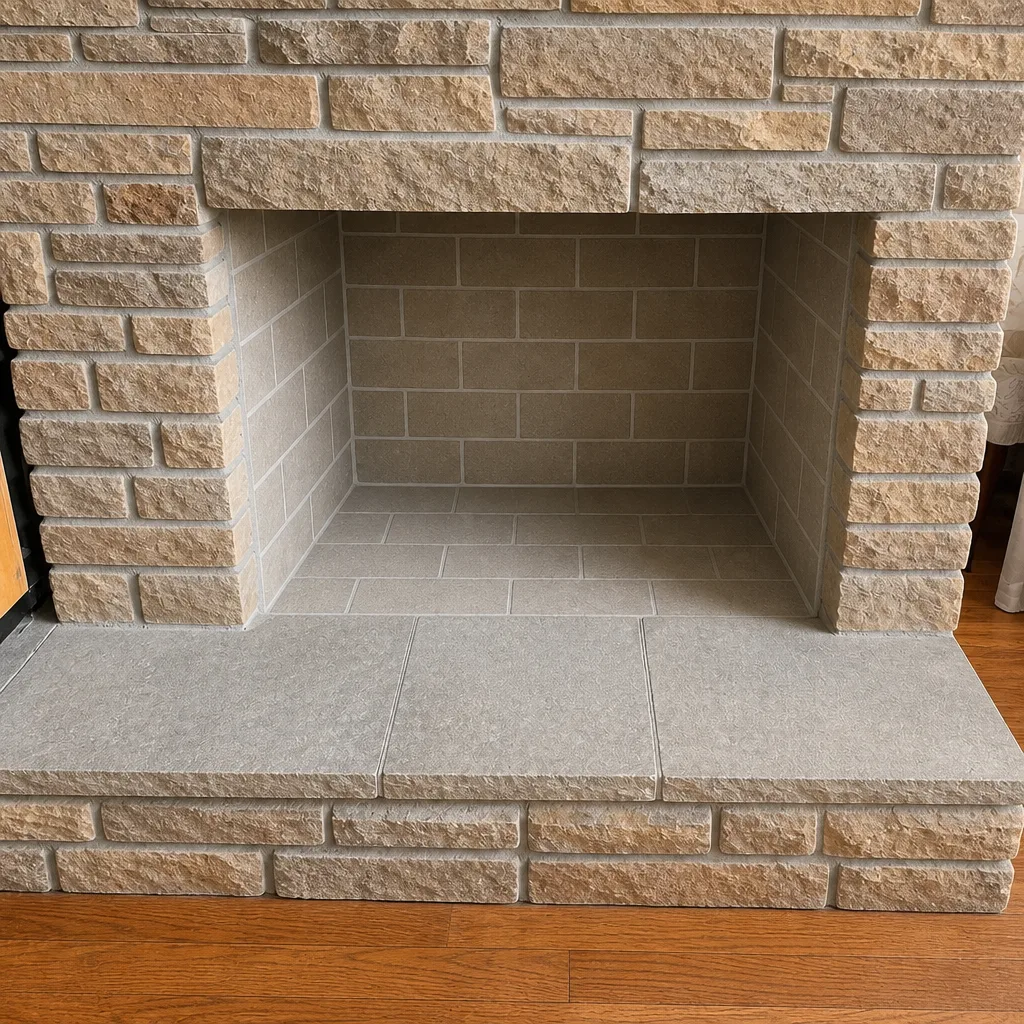
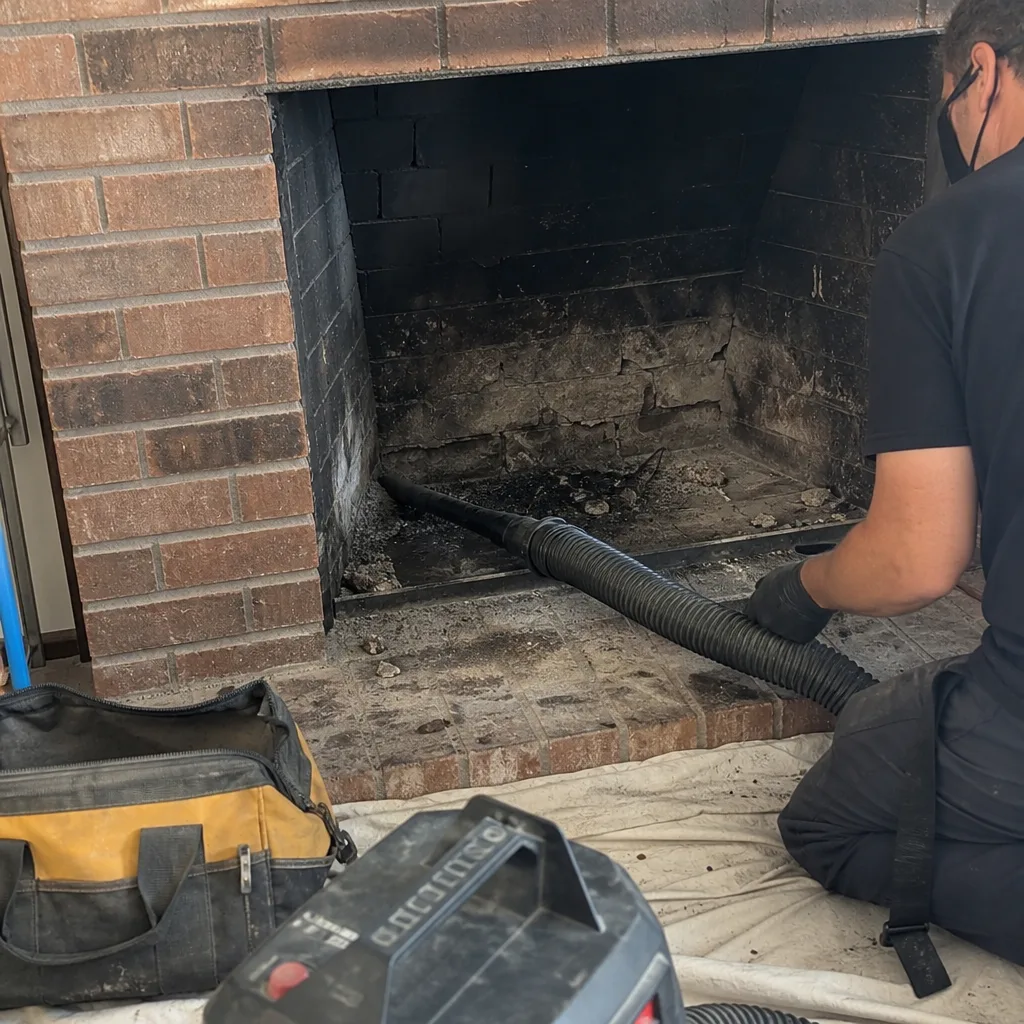
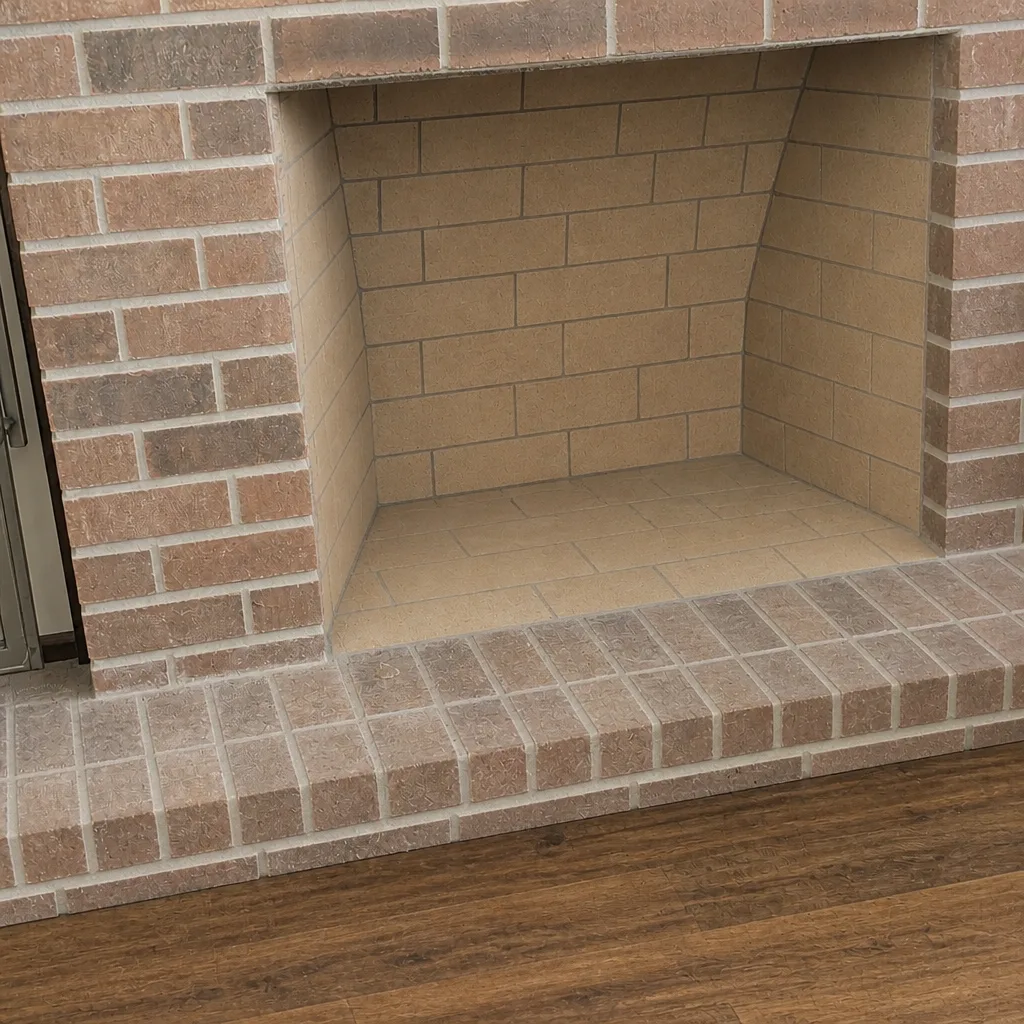
See the difference
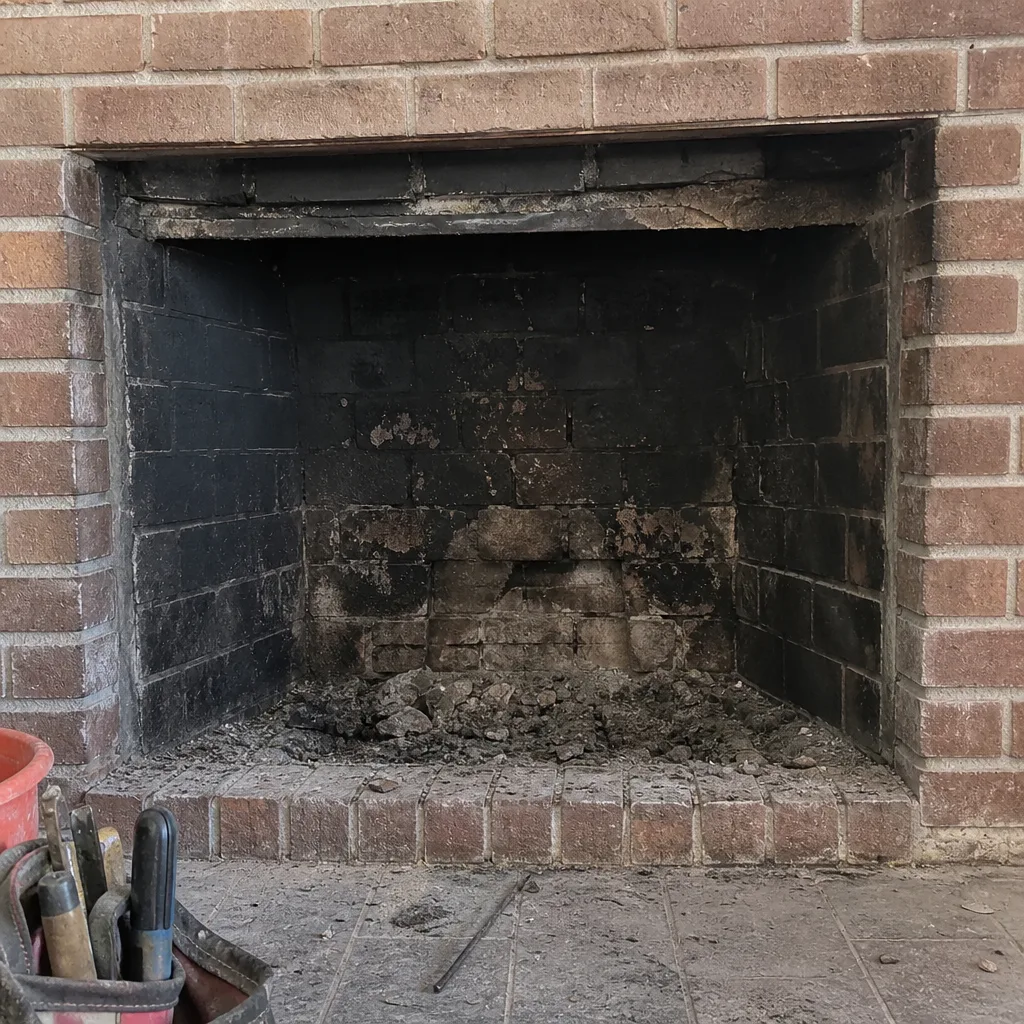 Before
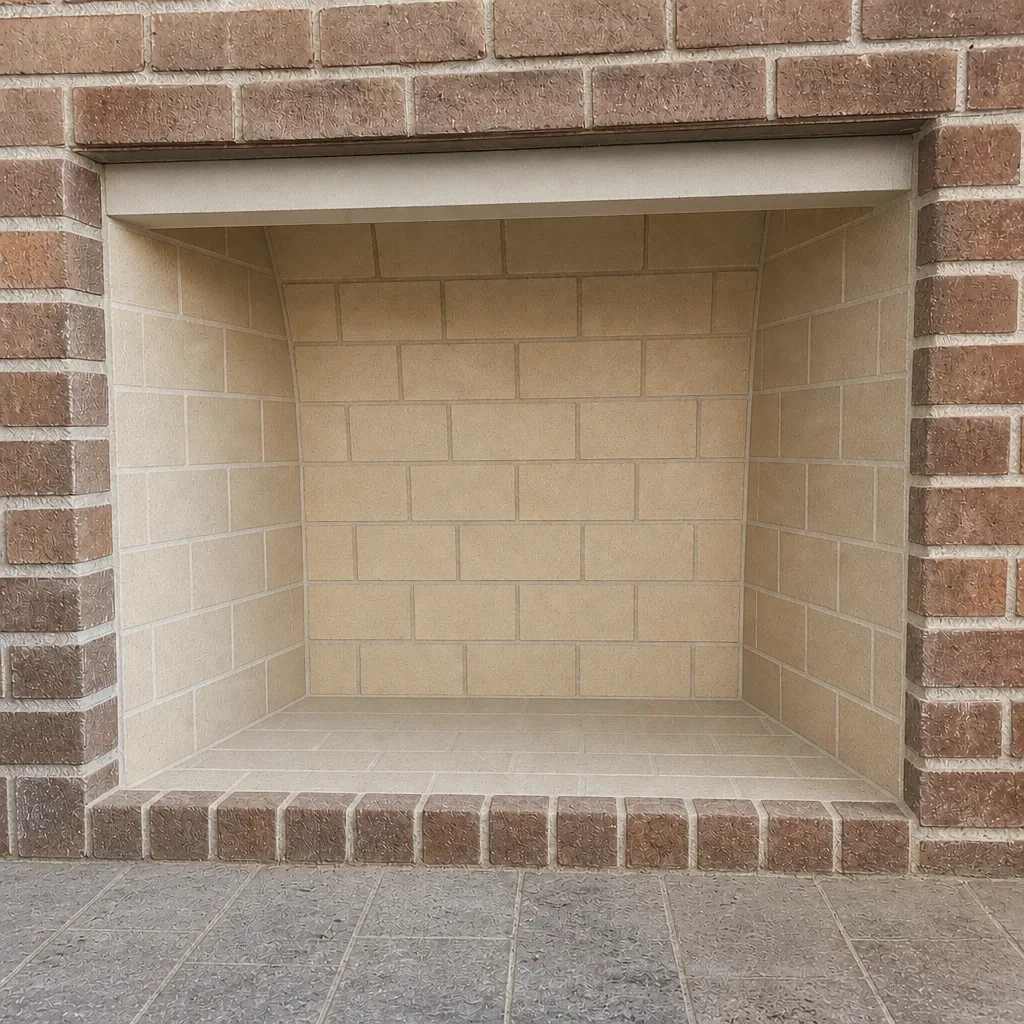 After
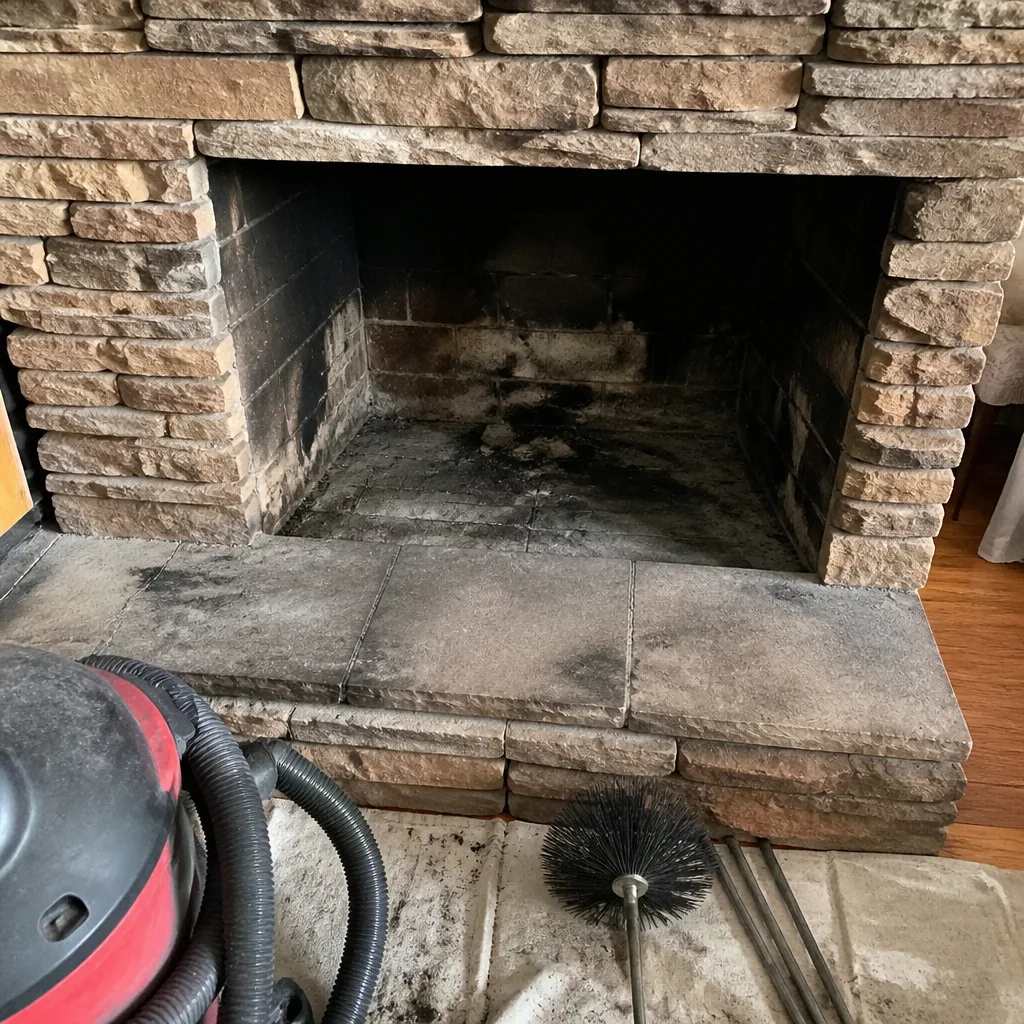 Before
 After
 Before
 After
When to Call a Professional
Call for efflorescence that keeps coming back, for a sharp oily smell, for a fire that spills smoke at low temperature, for a damper that’s changed behavior, for visible spalling firebrick, and for any sign of moisture inside the firebox. Call if the chimney was never inspected before you moved into the house. Call if the flue hasn’t been swept in a year of regular burning. Skip the calls to friends who “know a guy” and skip the calls to a roofer who’ll just seal the exterior. Chamney work is a narrow specialty, and a well-meant repair by someone who isn’t a chimney specialist is often the reason a small problem becomes a large one.
Thornton Chimney Sweep Pros offers free estimates in Thornton. Call (866) 937-7966. We answer 24/7, and fast dispatch runs 7am to 7pm, Sunday through Friday. Our technicians have up to 12 years of experience, and we work with DuraFlex, HeatShield and Olympia Chimney products so the repair is done with materials engineered for chimneys, not improvised substitutes. One team handles the full chimney, from the firebox to the crown.
Frequently Asked Questions
Once a year during the burning season is the baseline for a wood-burning fireplace, and many Thornton homeowners find a spring sweep and inspection the right rhythm. If the fireplace sees heavy use, twice a year is safer. A sweep is a booked service, so the answer depends on the wood you burn, how often you use the fireplace, and what the flue looks like. Call (866) 937-7966 for a free estimate and to talk through your firebox.
White efflorescence means moisture is moving through the brick and mortar and depositing salts on the surface. It’s the early sign of an active water problem, usually a cracked crown, failed flashing or a damaged cap. In Thornton’s freeze-thaw climate it’s a warning that mortar damage is coming next. Book an inspection when you first see it, not when the white covers the whole face.
A standard chimney sweep in Thornton typically runs in the low-to-mid hundreds of dollars for a basic service. A safety inspection with a camera scan of the flue is usually a separate cost, and any repair or liner work is priced per job by a written estimate. Prices vary with chimney height, flue condition, and the stage of creosote involved. Call (866) 937-7966 for an exact quote. Estimates are free.
A liner replacement is warranted when the camera shows a cracked, separated or missing tile liner, or a flue that’s undersized for the fireplace. It’s not a routine upgrade. Ask to see the camera evidence before you approve one, and ask what specifically would happen without it. If it’s not warranted, the right answer is no, and you should hear that from the technician. Call us if you want a second look at a liner quote.
Skipping a year doesn’t usually cause a fire overnight, but it lets creosote build from stage 1 into stage-2, which is harder to remove and more combustible. It also lets small moisture problems in the crown and flue get a full season to grow. In a climate with hard freezes like Thornton’s, that extra year is often the difference between a simple repair and a structural one. Call (866) 937-7966 if you’re overdue.
A sharp, oily smell in warm weather means stage-2 or stage-3 creosote is sitting in the flue and off-gassing. A normal soot smell is soft and smoky; an oily smell is not normal and usually means the flue needs more than a brush-and-go sweep. Call us for an inspection so the flue’s actual condition is documented.
The Bottom Line
The visible warning signs are the ones you should learn to spot, not the ones you should wait for. White efflorescence, a stiff damper, delayed draft on a cold morning, rust streaks in the firebox, mortar dust on the smoke shelf, a sharp oily creosote smell: each of these is a system talking to you months before a chimney fire or a rebuild. A professional inspection turns those signals into a documented picture of the chimney, and that picture is what tells you whether a simple sweep is enough or something more is needed. Nothing is recommended without camera evidence you can look at yourself. Call (866) 937-7966 for a free estimate. We answer 24/7. Fast dispatch from 7am to 7pm, Sunday through Friday. One specialist, the full chimney, no guessing.
Written by the team at Thornton Chimney Sweep Pros.