
Last updated November 23, 2026
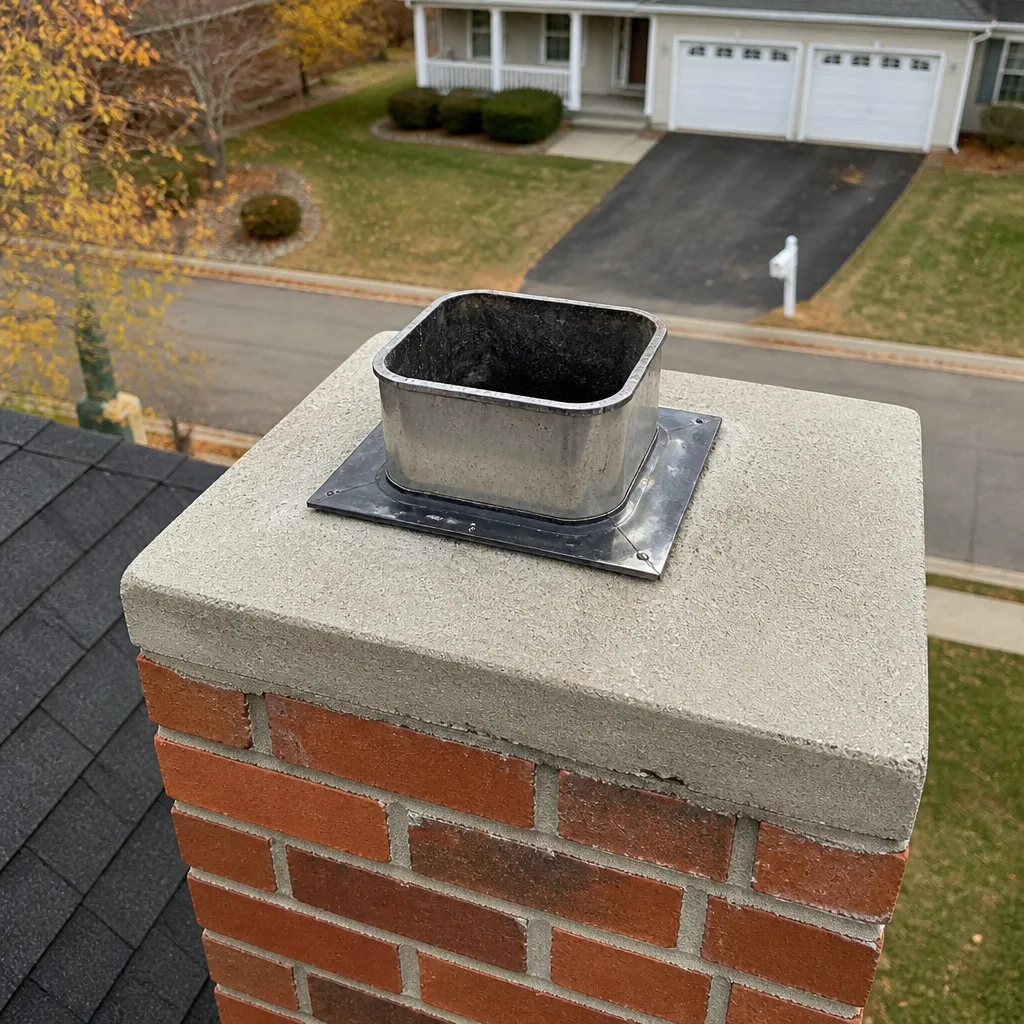 Sweep & inspection
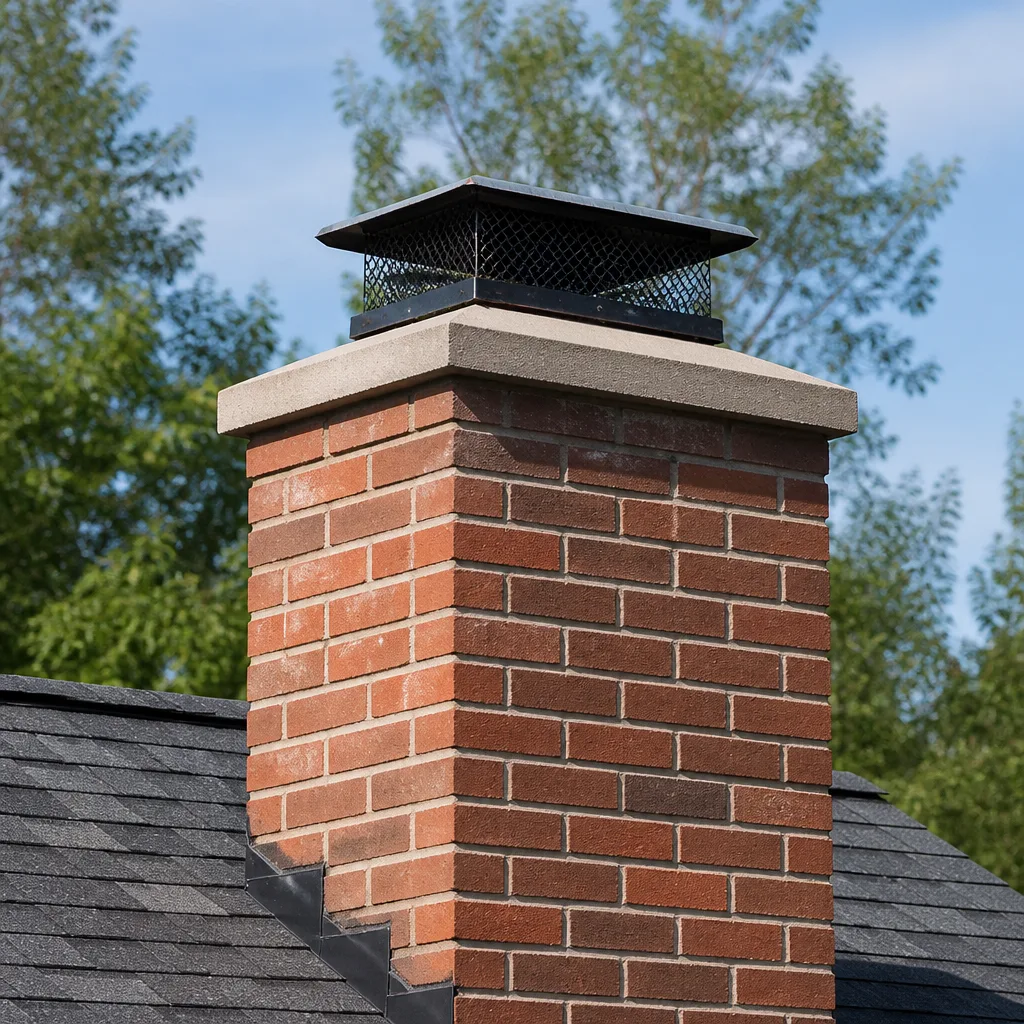 Caps & crowns
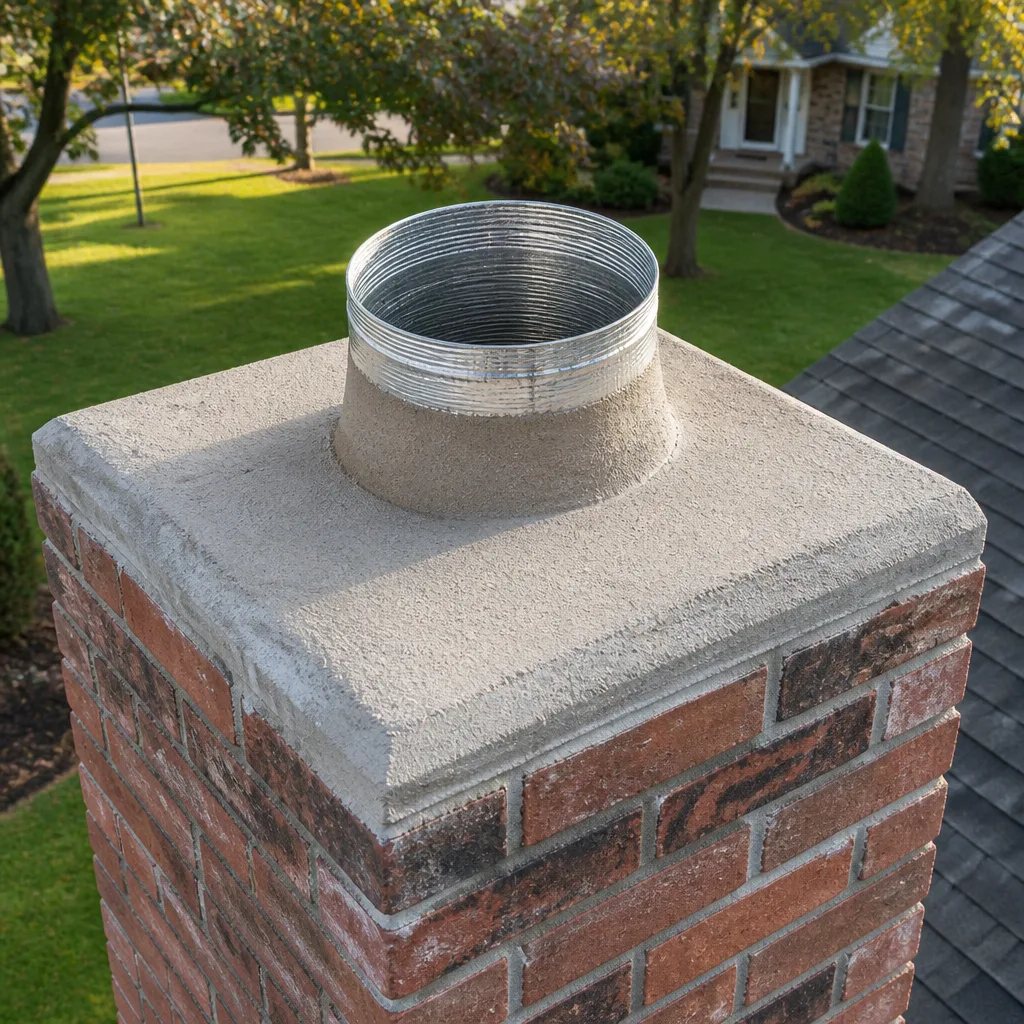 Flue relining
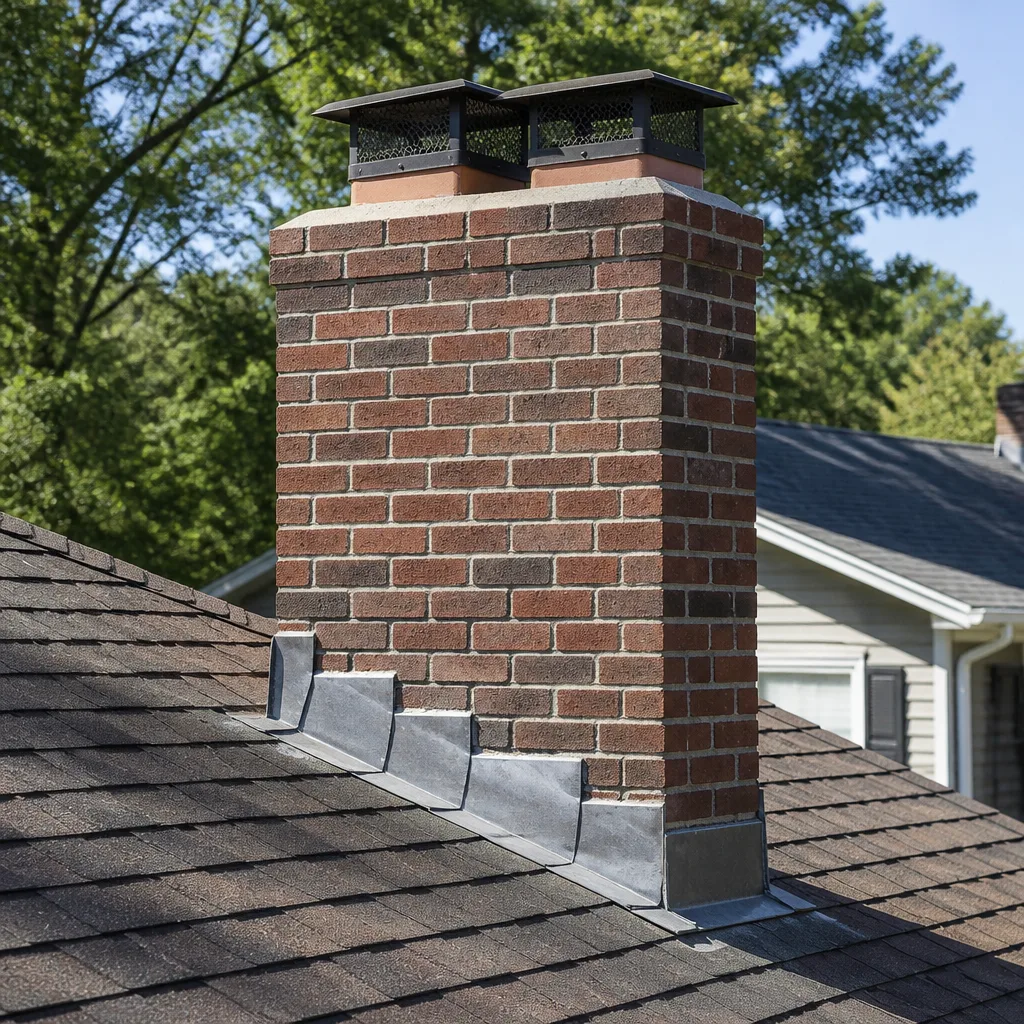 Masonry repair
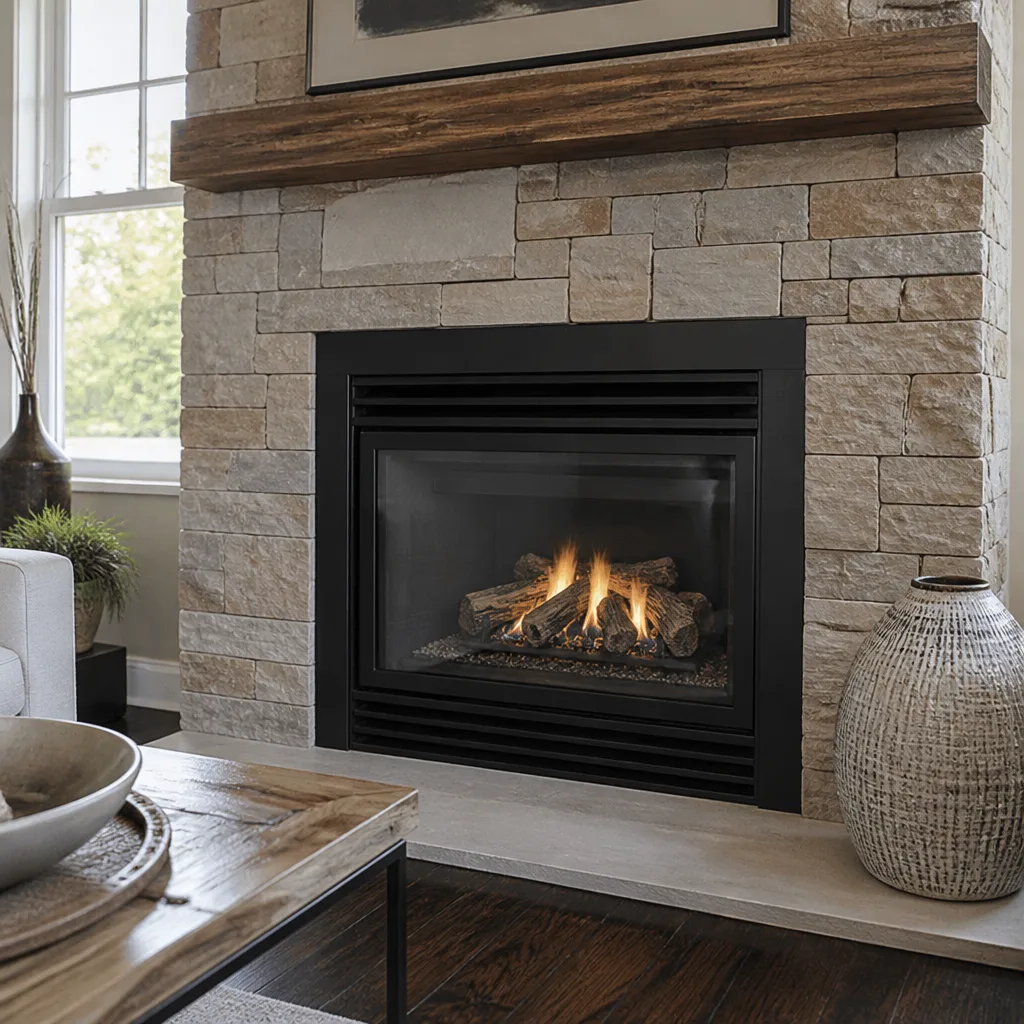 Gas fireplace service
Level 1 sweep and inspection to the NFPA 211 annual standard - flue, crown, cap, and flashing checked and photographed
Chimney sweep logs do not sweep chimneys. They loosen some creosote - which then falls where a brush and vacuum still have to collect it.
Chimney Cleaning Cost Breakdown: The Thornton Homeowner’s Reference for 2026
The $89 chimney sweep special you see advertised around Thornton usually covers exactly one thing: brushing the flue. It doesn’t include a camera scan, a smoke chamber evaluation, or any real look at the components that actually fail. That’s why the invoice often looks very different by the time the technician packs up. We’ve watched plenty of homeowners in Thornton get surprised by a quote that doubled once the technician was already on the roof. This reference breaks down what chimney cleaning really costs in the Thornton market for 2026, line by line, so you can read a quote before you sign it and know what you’re paying for.
Quick Answer
A standard chimney sweep in Thornton typically runs $180 to $340 for a single flue, and a Level 2 inspection with a camera scan usually adds $100 to $250 on top of that. A full-system evaluation with minor repairs, creosote treatment, or crown work can push a cleaning visit to $400 to $900 or more. The written estimate you receive after the technician assesses the chimney sets the final price.
Styles & brands we work with
- Sweep & inspection
- Caps & crowns
- Flue relining
- Masonry repair
- Gas fireplace service
Table of Contents
- Why Do Two Chimney Quotes for the Same House Come Back $150 to $600 Apart?
- What Does Each Part of a Chimney Cleaning Actually Cost in Thornton?
- What’s the Difference Between Level 1, Level 2, and Level 3 Inspections?
- What Pushes the Price Up for the Same Job?
- Low-Bid Sweep vs. Full-System Evaluation: What’s the Real Difference?
- Which Add-Ons Are Worth Bundling With a Cleaning Visit?
- How Do You Read a Chimney Quote?
- What Makes a Chimney in Thornton Wear Differently?
Why Do Two Chimney Quotes for the Same House Come Back $150 to $600 Apart?
Chimney cleaning quotes for the same Thornton house can land anywhere from $150 to $600 apart, and the gap almost never comes down to labor. It comes down to what the contractor is actually doing, what equipment they’re bringing up the ladder, and what they’re leaving uninspected. A low quote is usually a flue brushing and nothing else. A higher quote typically includes a camera inspection, a smoke chamber evaluation, and a real look at the firebox, damper, and crown. You’re not paying for more scrubbing. You’re paying for more diagnosis.
In our experience, a chimney sweep visit has three layers. The first is the mechanical cleaning. The second is the inspection that should always follow it. The third is whatever repair or restoration the inspection turns up. A cheap quote usually bundles only the first layer and leaves the homeowner to discover the other two on their own. The contractor who quotes $89 is not necessarily dishonest. They’re selling you the brushing, and the brushing is what costs $89. The camera scan, the documentation, and the assessment are separate work, and they take separate time.
There’s a second reason quotes vary, and it’s less obvious. Chimney professionals in Thornton are not all doing the same kind of job. A generalist handyman service will approach a chimney the way it approaches a dryer vent. A specialist evaluates the entire system, from the firebox to the crown, because the failure points in a chimney are not all inside the flue. A cracked crown lets water in. Water destroys mortar. Mortar failure becomes a rebuild. The $89 sweep might leave a very good flue behind a failing crown, and nothing on the invoice will tell you.
If you’re comparing bids in Thornton, ask each contractor one direct question: “What is in the scope, and what happens after the brushing?” A contractor who can answer that in writing is quoting for more than brushing. A contractor who can’t is quoting for brushing, whether they call it that or not.
What Does Each Part of a Chimney Cleaning Actually Cost in Thornton?
The following ranges reflect the typical 2026 Thornton market for a single-flue residential chimney. Each line item is a separate scope of work, and a written estimate after a technician assesses your chimney sets the final price. These are estimates, not fixed prices, because chimney height, access, and condition vary from house to house.
| Line Item | Typical Thornton Range (2026) |
|---|---|
| Standard sweep, single flue | $180 – $340 |
| Additional flue sweep | $90 – $180 per flue |
| Level 1 inspection (visual, non-camera) | $75 – $150 |
| Level 2 inspection with camera scan | $180 – $350 |
| Level 3 inspection (diagnostic, invasive) | $400 – $1,200+ (varies widely) |
| Creosote treatment (chemical or rotary) | $150 – $600 depending on stage |
| Minor firebox or mortar repair | $150 – $500 |
| Crown sealing or minor crown repair | $200 – $600 |
| Chimney cap replacement | $150 – $450 |
Two things to note about these ranges. First, most Thornton homes with a single flue will land in the $250 to $450 range for a sweep plus a Level 2 inspection, which is the combination the Chimney Safety Institute of America and the National Fire Protection Association recommend as routine. Second, the higher numbers on this table are not routine. They’re what a specific condition costs to fix. A Level 3 inspection, for example, is typically only called for when a camera scan turns up something that needs direct access, or when a real estate transaction requires it.
Creosote treatment is the line item most often misunderstood. Stage 1 creosote is a light soot that brushes off with standard cleaning. Stage 2 is a flaky, more stubborn deposit that may need rotary tools. Stage 3 is a glazed, tar-like creosote that has bonded to the liner, and it’s the kind that carries real fire risk. A technician who finds Stage 3 will tell you the truth. A technician who finds Stage 1 and charges you for Stage 3 treatment is the one to watch for.
The line items most worth knowing before you book are the ones the low-bid sweep never mentions: camera scan, smoke chamber evaluation, damper function, crown condition, and cap seal. Those are the pieces that let a homeowner make a real decision about the chimney instead of guessing.
What’s the Difference Between Level 1, Level 2, and Level 3 Inspections?
A Level 1 inspection is a visual check of the accessible components of the chimney, fireplace, and venting, without a camera. A Level 2 inspection adds a video camera scan of the flue interior, and it’s the level typically recommended after a chimney fire, a change of fuel type, a change of occupancy, or during a real estate transaction. A Level 3 inspection goes further still and involves direct access to parts of the chimney that would otherwise stay hidden, and it’s only called for when the Level 1 or Level 2 turns up a reason to look.
Most Thornton homeowners who sweep annually book a Level 1 inspection as part of the sweep, since the flue is already being cleaned and the technician is already on the roof. The Level 2 is where the cost jumps, and it’s also where the real information lives. A camera scan shows the inside of the clay tile or stainless steel liner, and that is where most liner failures begin. Hairline cracks in clay tile are invisible from the top and invisible from the firebox. The camera finds them.
Here’s a way to think about it:
- Level 1 inspection – covered by your routine sweep. Checks the accessible exterior, the firebox, the damper, and the visible flue. Good for annual maintenance.
- Level 2 inspection – camera scan, typically recommended every few years, or any time the chimney’s history is unknown, a home has changed hands, or a fuel type has changed.
- Level 3 inspection – diagnostic access when a specific problem needs confirmation. Reserved for structural concerns, suspected hidden damage, or a transaction that requires it.
Ask your contractor which level they’re quoting before you compare number to number. A $180 quote that’s a Level 1 plus a sweep is not the same product as a $500 quote that’s a Level 2 plus a sweep plus a crown seal. When those two bids are laid side by side with no scope attached, they look like the same service. They aren’t. A certified inspection documents exactly what your chimney needs, and a written report you can keep for insurance, real estate, or future planning is the deliverable that makes an inspection worth paying for.
What Pushes the Price Up for the Same Job?
The same service on two houses in Thornton can price very differently, and the reasons are concrete. Chimney height is the biggest single driver. A ten-foot run off a single-story ranch is a faster cleaning than a thirty-foot run with a steep pitch and a tile roof, and the time difference shows up on the invoice. Access safety matters too. A chimney that needs a ladder setup and roof anchors takes longer to make safe than a chimney serviced from a flat walkout roof.
Liner type is the second driver. A clay tile flue brushes cleanly with standard tools in most cases. A stainless steel liner, particularly one installed with a flexible system like DuraFlex, cleans differently and may need specific brush types. A pumice or cast-in-place liner has its own cleaning requirements. If a contractor shows up with the wrong equipment for the liner in your house, the brushing will either miss deposits or damage the liner surface. The right equipment is part of what you’re paying for, and it’s invisible on a one-line quote.
Fuel type is the third driver. A wood-burning fireplace with regular winter use builds creosote faster than a gas log set, and a pellet insert has its own cleaning needs. Chimneys that burn a mix of wood and manufactured logs, or that sit unused for long stretches and then get fired hard in one cold snap, tend to build sticky creosote that takes more time to remove. Years since last service is the fourth. A chimney that hasn’t been swept in several years may need two passes, or even a rotary tool, to get to a clean surface.
In our experience, most Thornton pricing variation comes back to those four things: height, liner, fuel, and time since last service. Ask a contractor to name which of those is affecting your quote. A specialist will. A generalist will usually say “the price is the price.”
You can also see these drivers in action on our chimney sweep page for Thornton, where we lay out what a routine visit includes. If you’re dealing with a liner issue, the chimney repair work is where a flexible liner system like DuraFlex or a resurfacing product like HeatShield comes into play, and that’s a different scope from a sweep.
Low-Bid Sweep vs. Full-System Evaluation: What’s the Real Difference?
A low-bid sweep and a full-system evaluation can both be called “chimney cleaning” on an invoice, and that’s part of why the market is so confusing. The low-bid sweep is a brushing of the flue. The full-system evaluation is a brushing plus a documented inspection of the firebox, damper, smoke chamber, flue, crown, cap, and exterior. The first tells you the flue is clean today. The second tells you what the chimney is going to need over the next few winters, and why.
Here’s the honest cost comparison. A low-bid sweep in Thornton might come in at $120 to $180. A full-system evaluation with a Level 2 inspection might come in at $380 to $500. On paper, that’s a $200 to $320 gap. Now consider what the low bid doesn’t include. It won’t catch a hairline crack in the clay tile. It won’t flag the crown crack that’s letting meltwater into the masonry every spring. It won’t tell you your damper no longer seals. It won’t warn you that the flue is undersized for the insert someone installed before you bought the house.
Those misses are not cosmetic. The crown, in particular, is the place where a Thornton chimney most often starts to decay, because the freeze-thaw swings along the Front Range work on every crack and every open mortar joint. A crown that lets water in will eventually rust the damper, soften the firebox mortar, and spall the brick above the roofline. By the time a homeowner sees the damage from inside the house, the repair has grown from a $200 to $600 crown seal into a masonry rebuild. We stop it at the crown. That’s the entire case for paying for the fuller evaluation in one sentence: it’s cheaper to fix a crown than a wall.
There’s an honest counterpoint. If your chimney was inspected and swept recently, and nothing has changed about the fuel or the appliance, an annual brushing plus a Level 1 visual check is most likely enough. You don’t need a Level 2 every year. You need one every few years, and any time the chimney’s history is unknown to you. The full-system evaluation is not an upsell to run every visit. It’s the evaluation that closes the blind spots the low-bid sweep leaves open.
Which Add-Ons Are Worth Bundling With a Cleaning Visit?
Some add-ons during a cleaning visit are worth the cost, and some are filler. We don’t recommend bundling anything the chimney doesn’t actually need, and a good contractor will say the same. Here’s how the list usually sorts out in Thornton.
Worth it, if the technician sees a reason:
- Cap inspection and replacement – the cap is the top-line defense against water, birds, and downdrafts. If the cap is missing, rusted through, or the wrong size for the flue, replacing it during a sweep visit is time well spent. $150 to $450 typically.
- Crown inspection and sealing – a hairline crown crack sealed early is a cheap fix. Left alone, it becomes a masonry problem. Ask the technician to photograph the crown from the roof the same day.
- Camera scan (Level 2) – if the chimney’s history is unknown to you, or the last sweep was years ago, the scan belongs in the visit. Not every year, but the first time you own the home and every few years after.
Worth it only if the condition is documented:
- Creosote treatment – a Stage 2 or Stage 3 deposit needs treatment. A Stage 1 does not, and you should be shown the evidence before you pay for it.
- Damper repair or replacement – a damper that doesn’t seal loses heat up the flue and lets cold air in when the fireplace is idle. Test it during the visit before agreeing to replace it.
- Minor firebox mortar repair – small mortar joints that have crumbled can be repointed during the visit. That’s a real fix, not a cosmetic one.
Where the marginal value drops off:
Anything that’s offered as a package without a documented reason. Chemical treatments on a Stage 1 flue, non-essential repointing on a sound firebox, or liner replacement without a camera scan to justify it. If a contractor can’t show you the photo, the video, or the physical evidence behind the recommendation, the add-on is a sales line, not a service. Our rule is simple: nothing is recommended without camera evidence you can see for yourself, and we’ll say plainly when work can safely wait.
Our fireplace repair page covers what’s typically in-scope for firebox, damper, and hearth work, if you want a fuller picture of which repairs are worth scheduling alongside a sweep.
How Do You Read a Chimney Quote?
A chimney quote should read like a scope of work: a list of what’s being done, where, with what equipment, and what the final price is. A one-line quote that just says “chimney sweep – $180” is not a scope. It’s a price tag. The problem with a price tag is that you have no way to compare it, and no way to know what happens when the technician finds something the price tag didn’t cover.
Here’s a checklist to run down when a quote comes in:
- Is the inspection level named? Level 1, Level 2, or Level 3. If it’s not named, ask which one is included.
- Is a camera scan listed separately? It should be, or it should be clearly bundled in a Level 2.
- Is the number of flues listed? A two-flue chimney should say “two flues,” not just “chimney.”
- Is the crown and cap in scope? Even an inspection line item should say the crown and cap were checked. If they aren’t mentioned, they aren’t being looked at.
- Is the price a flat number or a range? A flat number is fine, but it should come with a scope. A range with no scope is a placeholder.
- Are repairs listed as line items, or as “as needed”? Repairs should be listed with their own prices, not as open-ended add-ons.
- Is a written report promised? A photo report and a written summary should be part of the deliverable.
A vague one-line quote tells you something about the contractor. It tells you that they’re comfortable being vague, and that the invoice can grow without you having a written agreement to compare against. A good quote is specific enough that when the invoice arrives, you can match it to the estimate line by line. The written estimate is the contract, and it sets the final price.
When you request an estimate from a Thornton contractor, ask for the written scope before the visit. If the contractor won’t give you a written scope, that’s the answer.
What Makes a Chimney in Thornton Wear Differently?
Thornton sits on the Front Range, and the climate here does specific things to a chimney. The freeze-thaw cycle is the big one. A warm afternoon can follow a hard overnight freeze, and every spring the water that got into a hairline crack expands when it freezes. That’s what spalls brick and opens mortar joints. It’s why crown condition matters more here than the flue condition alone. A chimney with a sealed crown and a good cap handles the Thornton winter without much drama. A chimney with a cracked crown and a missing cap is doing damage every thaw.
The burn season here is also long and uneven. Homeowners commonly run the fireplace hard from late fall through early spring, and then leave it idle for months. That pattern builds a specific kind of creosote: a hard, glazed deposit that comes from hot fires with a slow flue gas cool-down. It doesn’t brush off like the powder in a flue that’s burned lightly. It clings to the liner. That’s the case where a rotary tool or a chemical treatment is worth the cost, and it’s why the price for the same job varies from house to house in Thornton.
Finally, Thornton’s housing mix is varied. Some neighborhoods have newer homes with stainless liners already in place. Others have older construction with clay tile flues that have been resurfaced, or lined with a flexible system on a previous repair. The number of chimneys we see with the original clay tile, and a few with liners that were installed decades ago and are now past their service life, is part of why the pricing varies. If you’re unsure what’s in your own chimney, the camera scan answers it in one visit. If the flue turns out to need relining, we work with DuraFlex flexible liner systems and HeatShield resurfacing, both of which are engineered for chimney repair rather than improvised on site.
And if you’re calling around for options, keep in mind that Thornton Chimney Sweep Pros services the full chimney system, from the firebox to the crown, rather than a sweep-and-go visit. One specialist for the full chimney means one call resolves the inspection, the cleaning, the repairs, and the protective work. Full-service capability on chimney repair and cap-and-crown installation means you’re not coordinating three contractors for a single chimney problem. (Our technicians have up to 12 years of experience, and we work with professional-grade brands including Olympia Chimney and Gelco for the components that go into your system.)
Common Mistakes to Avoid
- Booking on price alone. A cheap sweep that skips the inspection leaves the crown, cap, and damper unchecked. That’s not a deal, it’s a gap you’ll pay for later.
- Assuming a “$89 special” includes a camera scan. It almost never does. Ask what’s in the scope before you book, or you’ll find out when the invoice arrives.
- Treating a Level 1 inspection as a Level 2. They’re different products. A visual check is not a camera scan, and a home purchase or a chimney’s unknown history calls for the camera scan.
- Paying for creosote treatment without seeing the evidence. Ask to see the photo or the scan. A Stage 1 deposit does not need Stage 3 treatment.
- Ignoring the crown because the flue looks fine. In Thornton’s freeze-thaw climate, the crown crack is the more urgent cost. The flue can be spotless and the crown can still be letting water into the masonry.
- Accepting a one-line quote. A real scope names the flues, the inspection level, and the repair line items. A vague quote is a warning sign, not a discount.
- Skipping annual sweeps because the fireplace is only used “a few times a year.” Creosote accumulates by burn, not by calendar. Even a lightly-used chimney can build a deposit over multiple seasons.
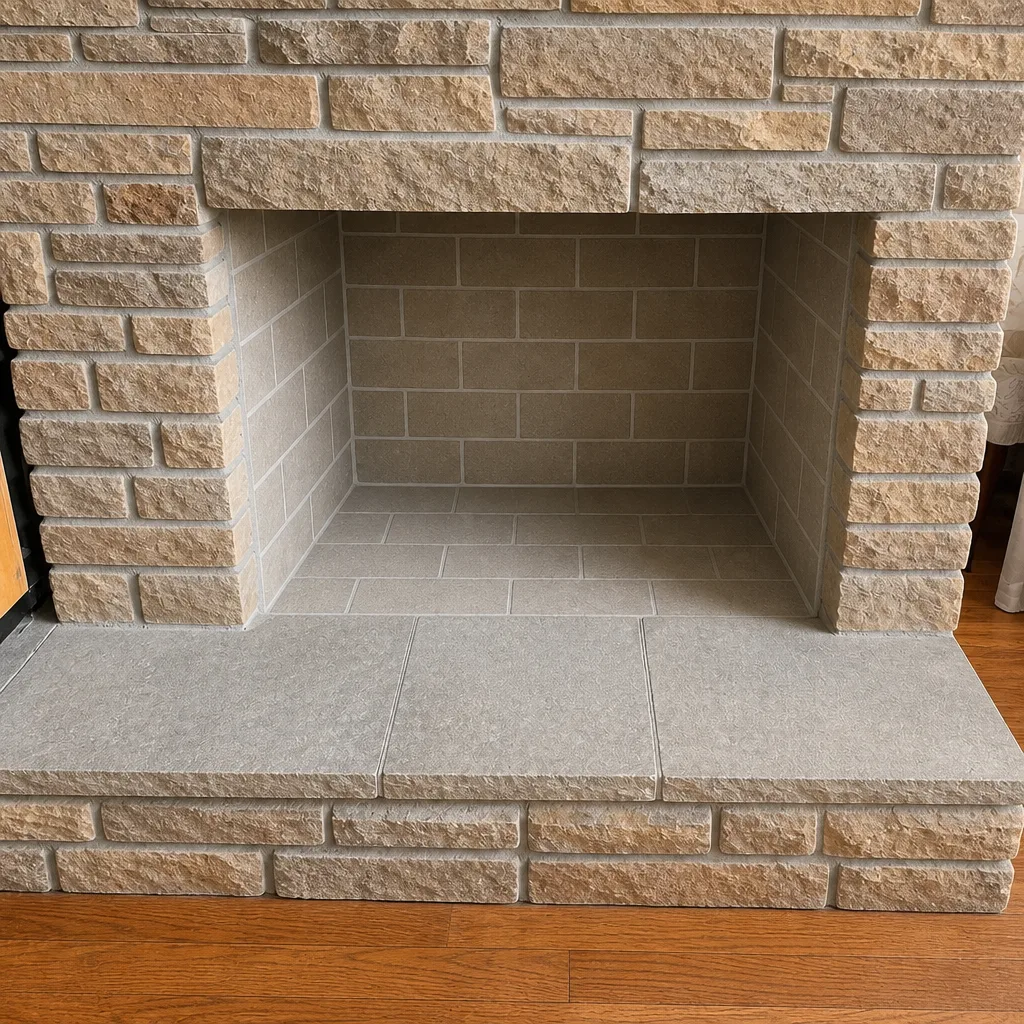
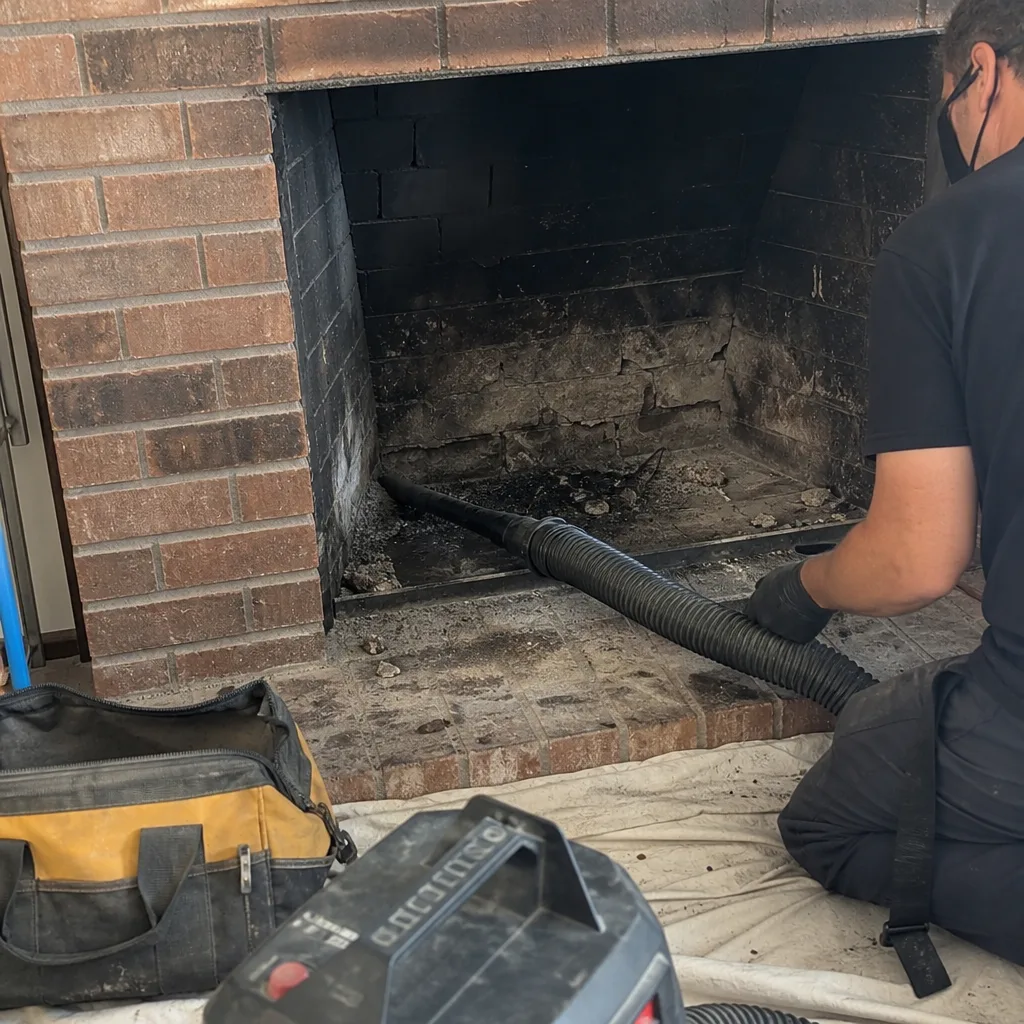
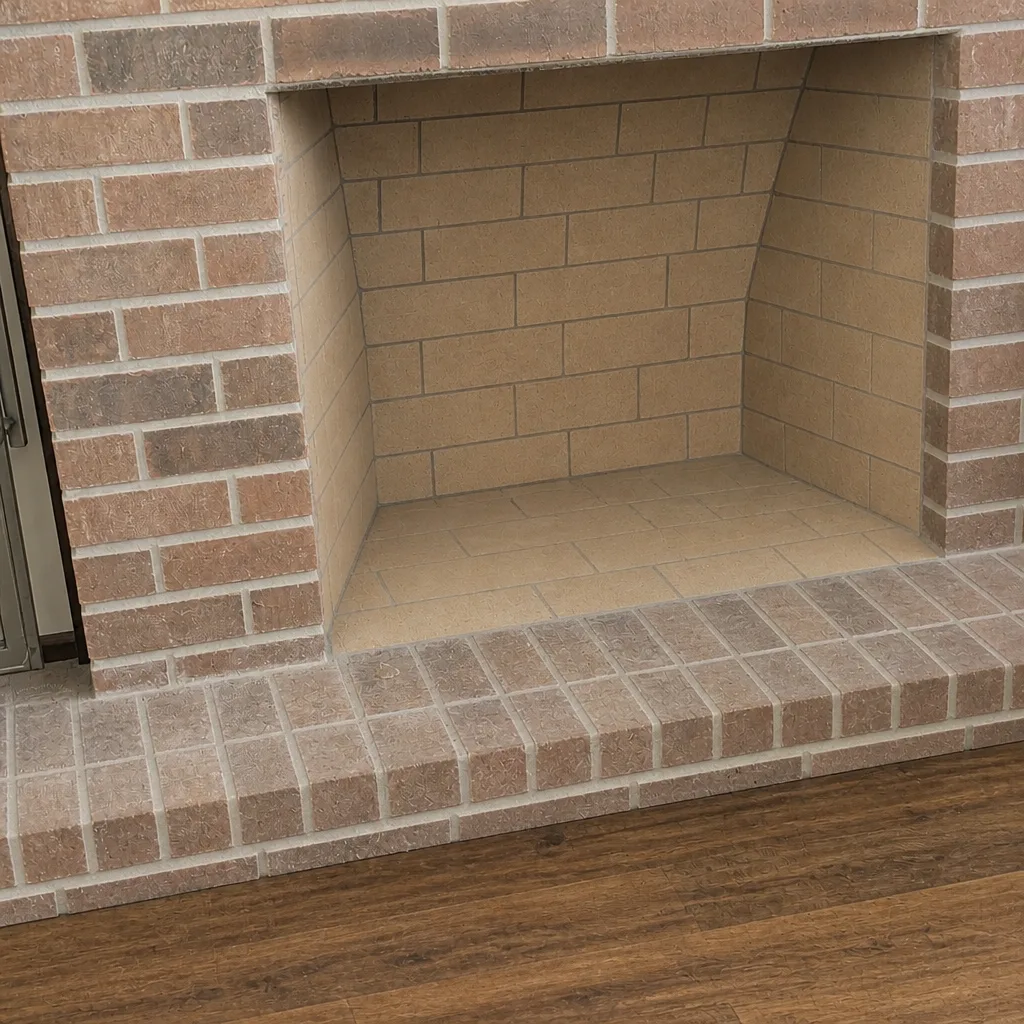
See the difference
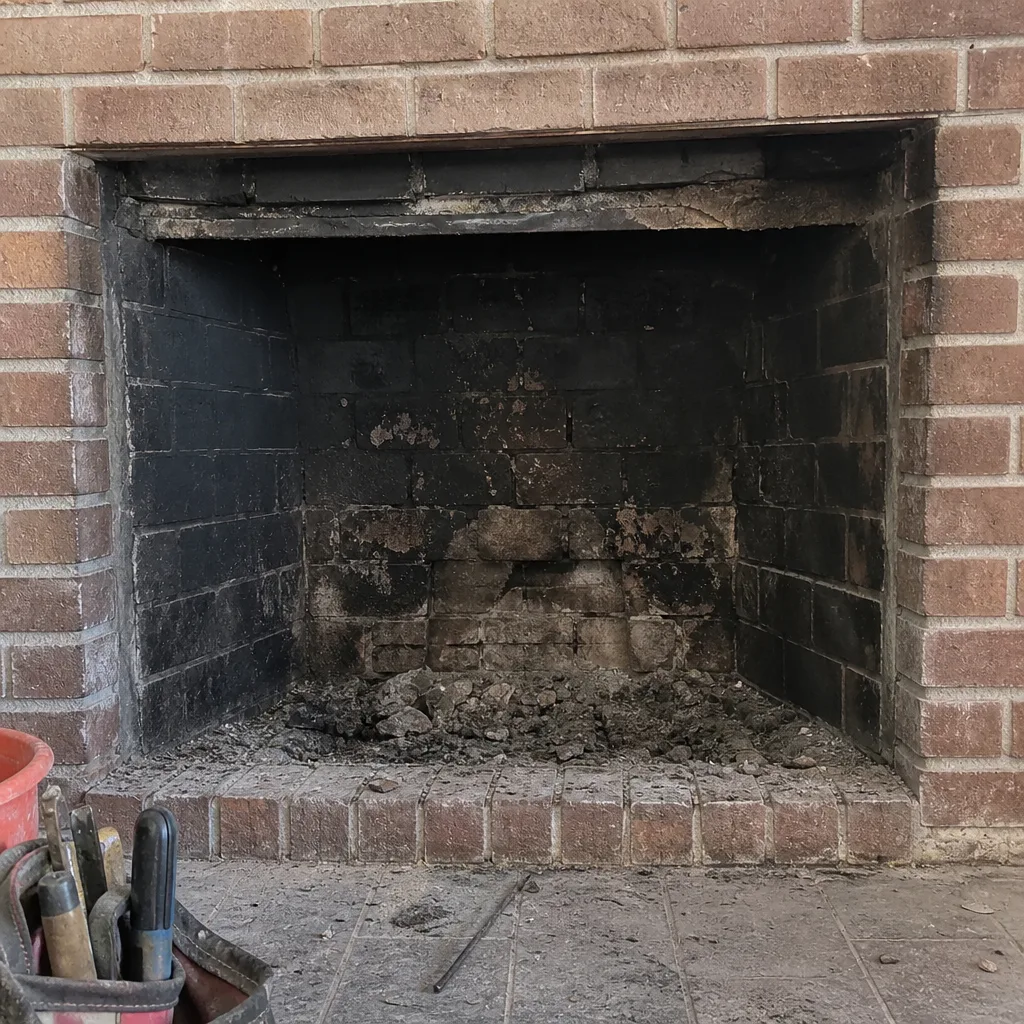 Before
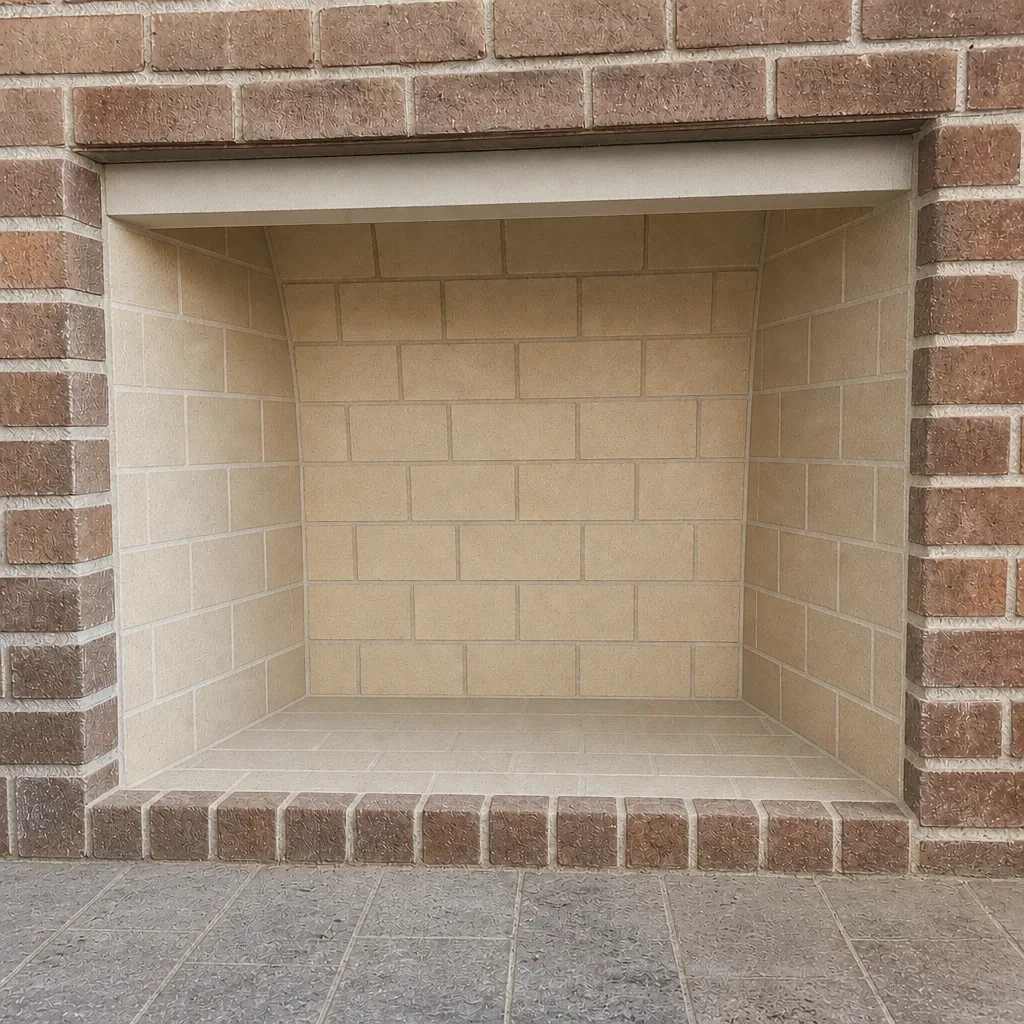 After
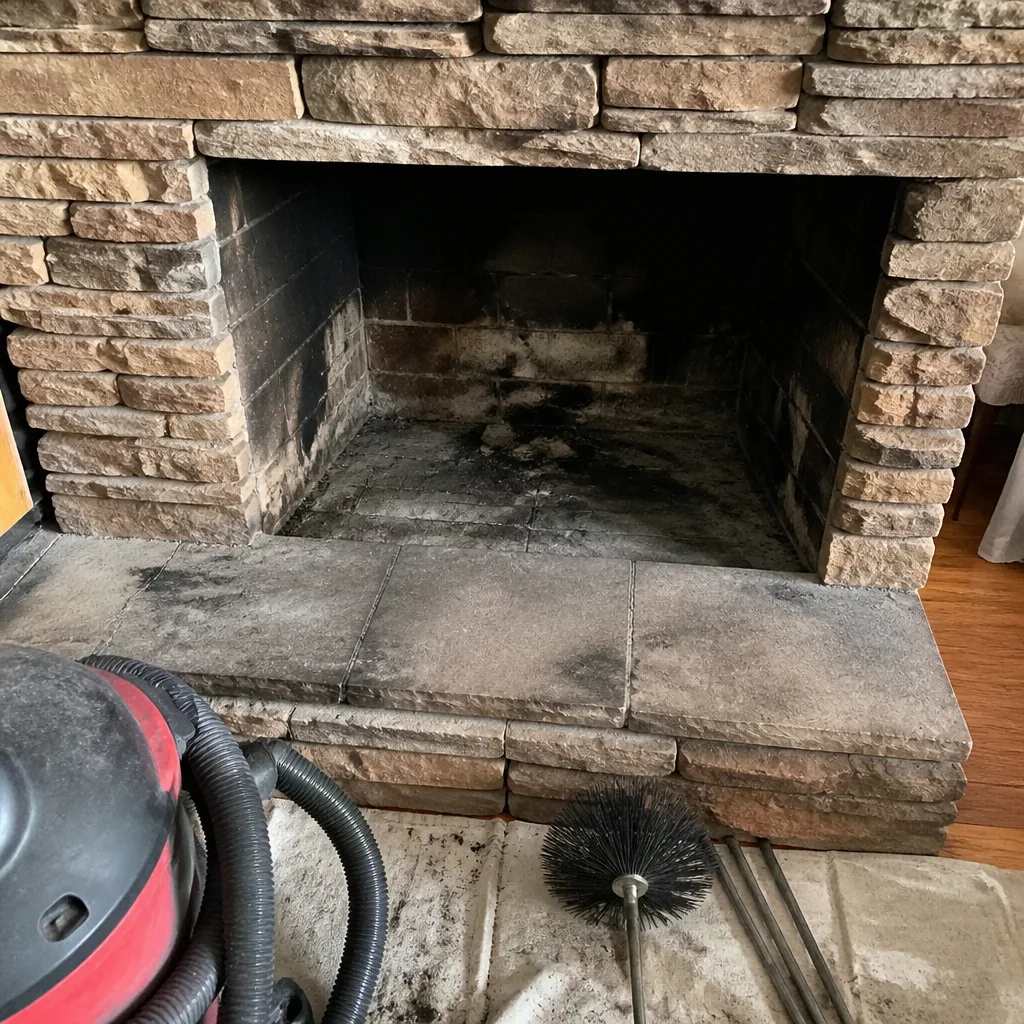 Before
 After
 Before
 After
When to Call a Professional
Call a professional if the chimney hasn’t been swept in more than a year, if you’ve bought the home without documentation of when the last inspection happened, if you’ve had a chimney fire (even a small one), if you notice smoke coming into the room, if the damper no longer seals, or if you see cracked or missing mortar on the crown or the firebox. Any of those means a sweep alone is not enough.
Chimney work involves heights, confined spaces, and in the case of creosote and firebox work, real fire and carbon monoxide risk. This is not a job for a ladder and a shop vac from the hardware store. A trained professional has the right tools, the right inspection level, and the right report to give you.
Thornton Chimney Sweep Pros offers free estimates in Thornton. Call (866) 937-7966. We answer 24/7. Fast dispatch from 7am to 7pm, Sunday through Friday. A call outside dispatch hours is booked into the next opening, Sunday through Friday, 7am to 7pm.
Frequently Asked Questions
A standard chimney sweep in Thornton typically costs $180 to $340 for a single flue. A Level 2 inspection with a camera scan usually adds $100 to $250. Expect $250 to $450 for the sweep-plus-inspection visit most households actually need. Call (866) 937-7966 for an exact quote – estimates are free.
Not unless a camera scan shows a specific failure: cracked or spalled clay tile, gaps in a liner joint, or a liner that’s too small for the appliance connected to it. A liner is a code-compliant fix for a documented condition, not an annual maintenance item. If a contractor recommends relining without a camera scan and a written report, ask to see the evidence. A flexible system like DuraFlex is one of the standard ways a failed liner gets replaced, but the liner itself only goes in when the scan justifies it. Call (866) 937-7966 – estimates are free.
Once a year for any chimney that’s used regularly, and a Level 2 inspection every few years or any time the chimney’s history is unknown. If you burn frequently and use the fireplace all winter, an annual sweep is the routine recommendation. Call (866) 937-7966 for an exact quote – estimates are free.
Creosote accumulates with every burn, and a heavy deposit is a real fire risk in the flue. A blocked or damaged flue can also back carbon monoxide into the living area. Skipping a sweep doesn’t cause a problem on a schedule, but it removes the one chance you have to catch the problem early. Call (866) 937-7966 – estimates are free.
Because the service isn’t the same. The $180 quote is usually a brushing only. The $500 quote is usually a sweep plus a Level 2 camera scan plus a crown inspection or a cap seal. Chimney height, liner type, fuel type, and years since last service all move the price. Compare scope to scope, never number to number. Call (866) 937-7966 – estimates are free.
It can be, and it’s often the highest-value add-on on a sweep visit in Thornton. A cracked crown or a missing cap is the leading cause of water intrusion into the masonry, and both can usually be addressed during the same visit. Ask to see the photo of the crown from the roof before you agree to the repair. Call (866) 937-7966 – estimates are free.
The Bottom Line
Chimney cleaning in Thornton is not one price. It’s a set of scopes, and the price you pay depends on which scopes are in the quote. A brushing-only sweep runs $180 to $340. A sweep with a Level 2 camera scan runs $250 to $450. A sweep with repairs, creosote treatment, or crown work can reach $400 to $900 or more. The gap that matters most isn’t between the two bids. It’s between the bid that names its scope and the bid that doesn’t. Read the scope, ask for the written report, and match the invoice to the estimate. That’s how you avoid paying twice.
Whether you’re due for a routine sweep or you’ve never had the chimney inspected, we can help. From the firebox to the crown, one specialist covers the full chimney, and nothing is recommended without camera evidence you can see for yourself. Call Thornton Chimney Sweep Pros at (866) 937-7966 for a free estimate. We answer 24/7. Fast dispatch from 7am to 7pm, Sunday through Friday.
Written by the team at Thornton Chimney Sweep Pros.