
Last updated November 23, 2026
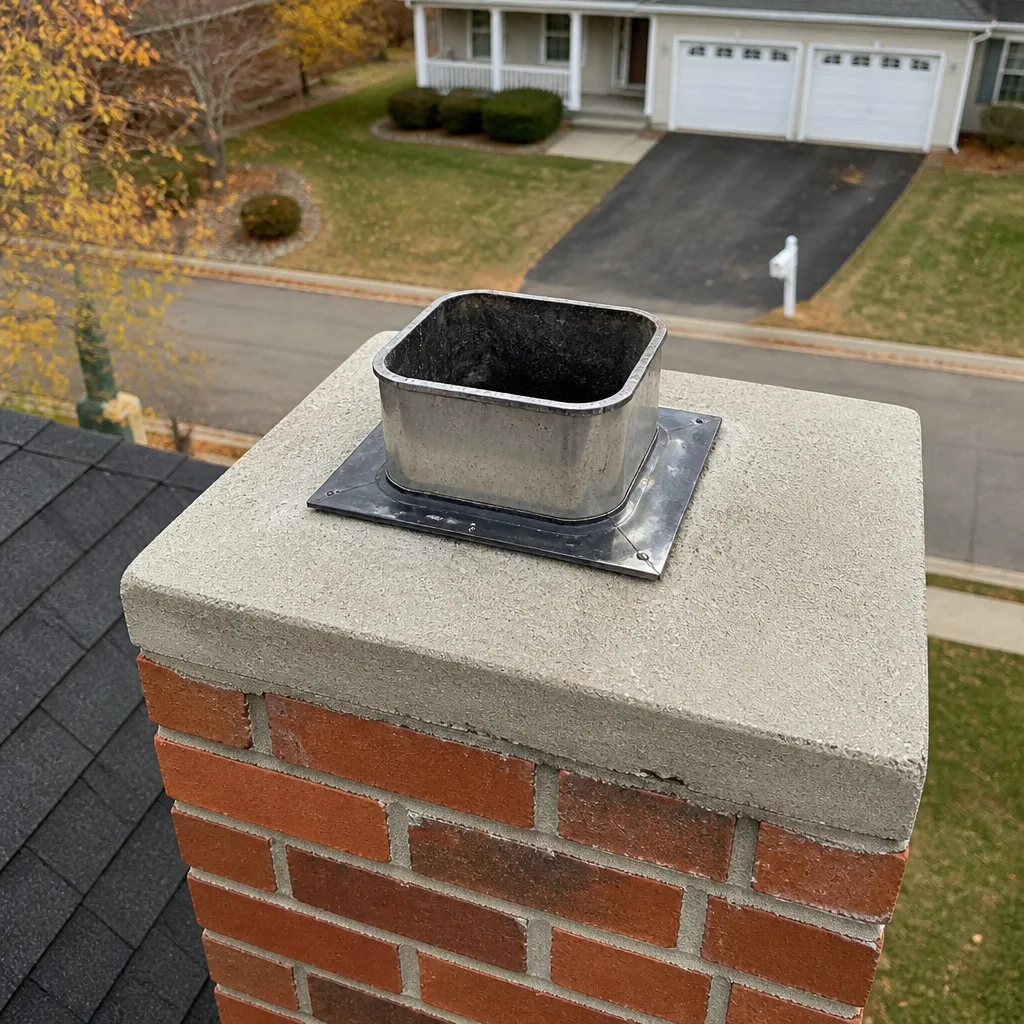 Sweep & inspection
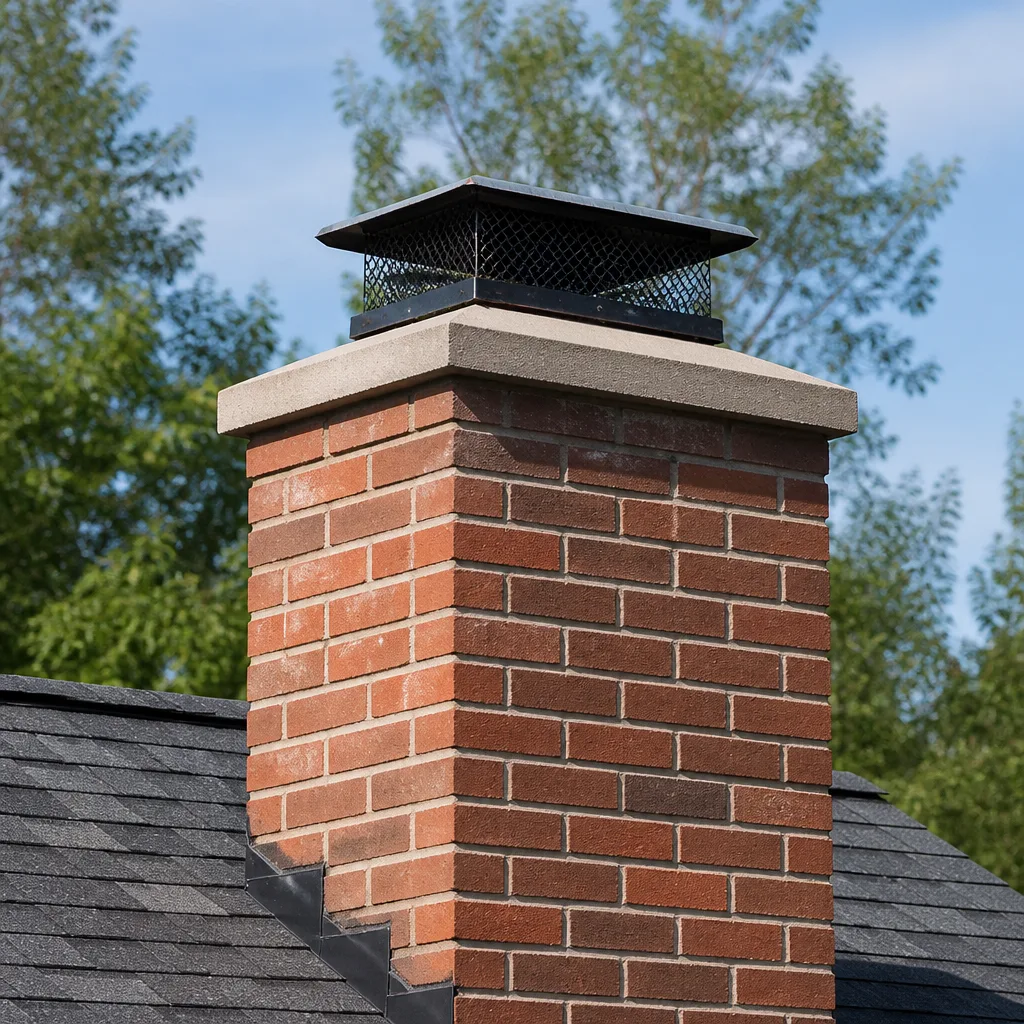 Caps & crowns
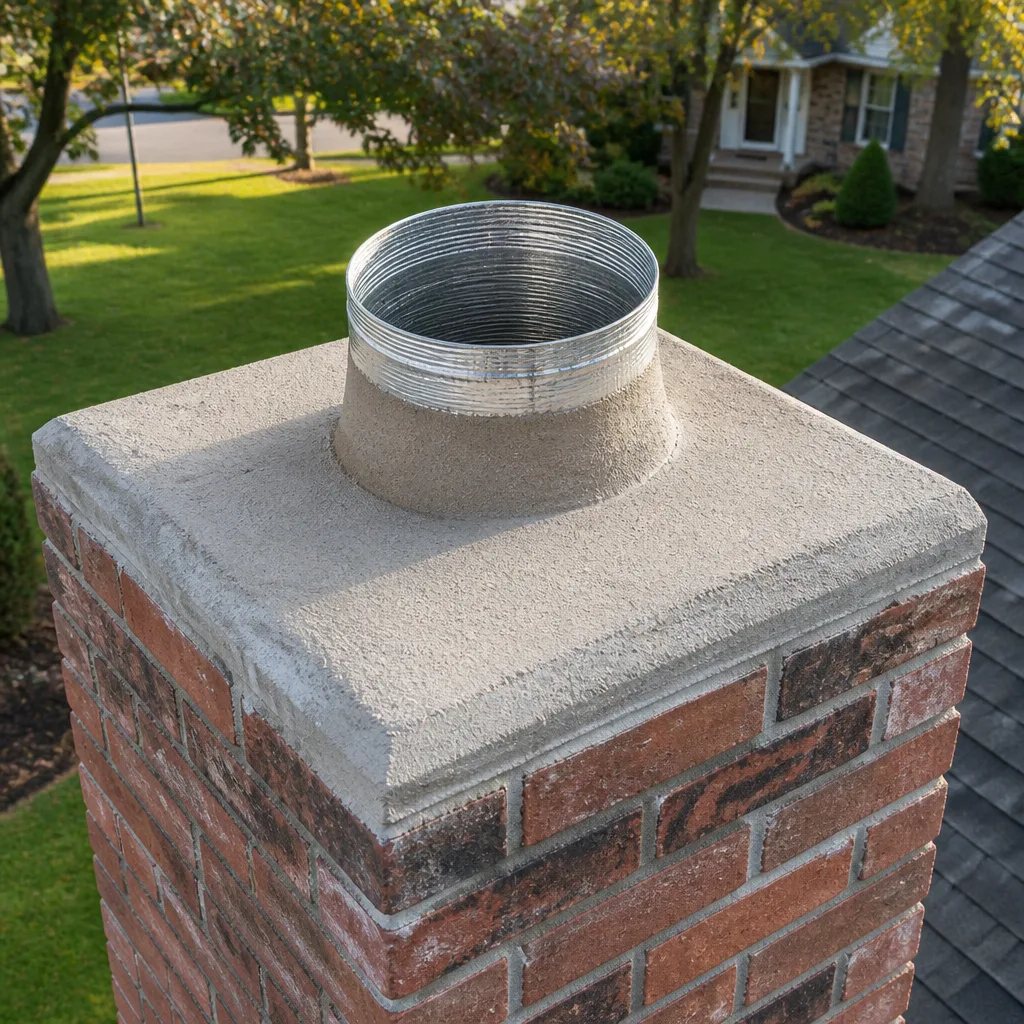 Flue relining
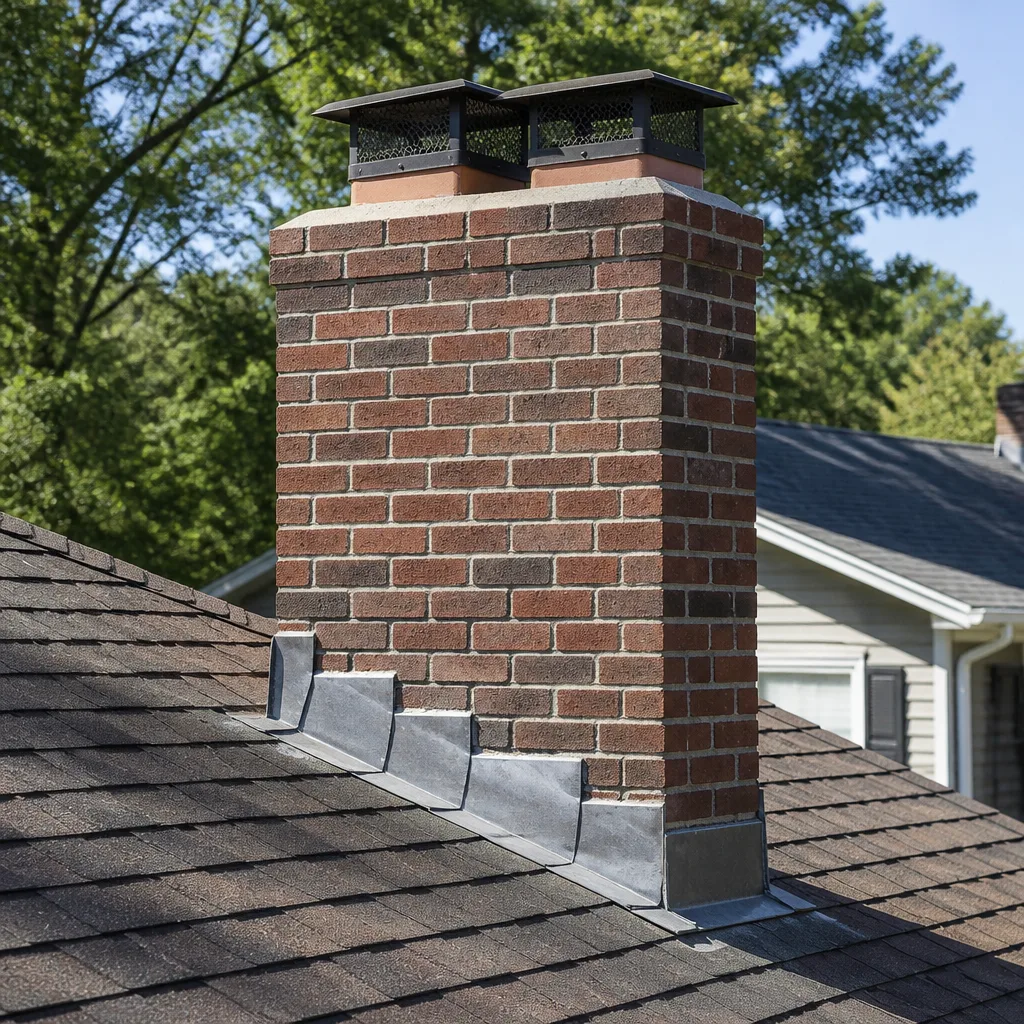 Masonry repair
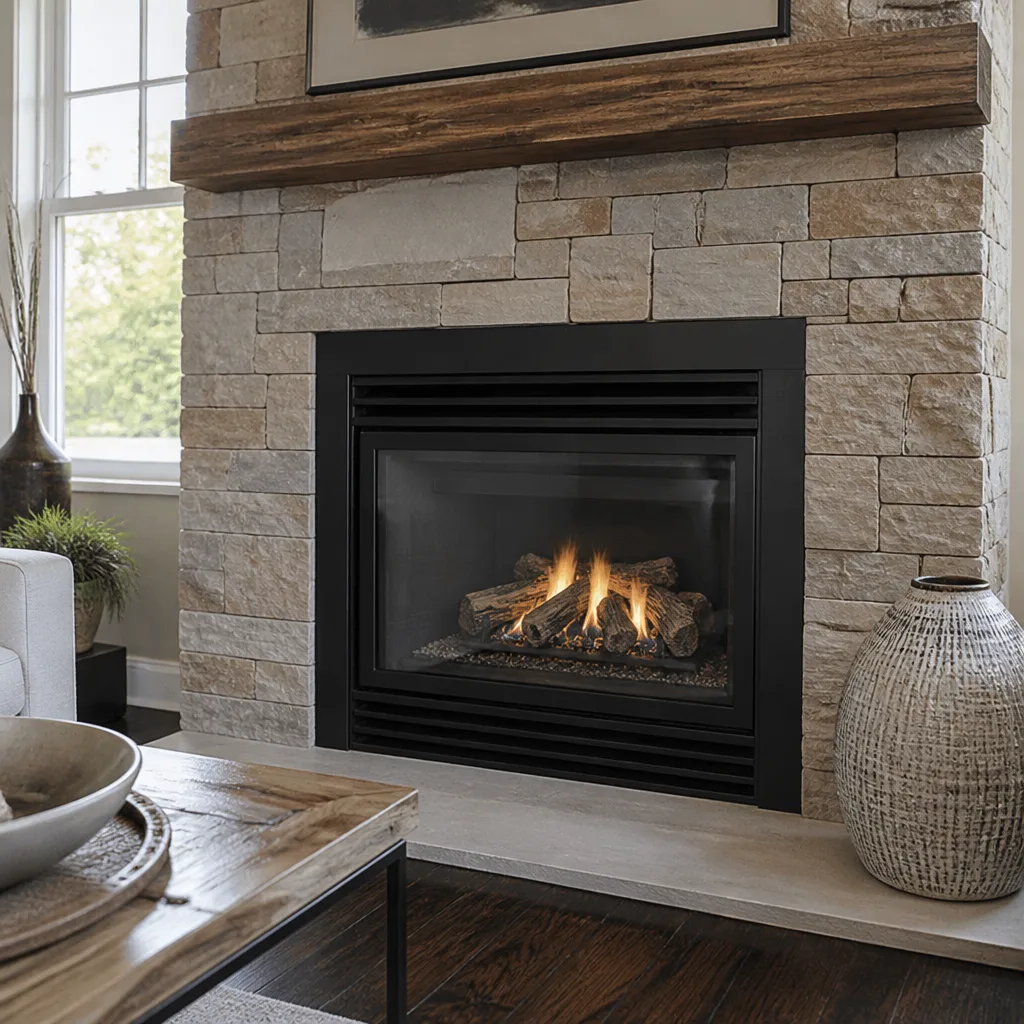 Gas fireplace service
Level 1 sweep and inspection to the NFPA 211 annual standard - flue, crown, cap, and flashing checked and photographed
Chimney sweep logs do not sweep chimneys. They loosen some creosote - which then falls where a brush and vacuum still have to collect it.
Chimney Cleaning Permits, Codes & Inspections in Thornton, CO: What You Need to Know
Most people in Thornton assume a chimney sweep is a no-paperwork visit. Brush goes up, soot comes down, nothing to file. That’s true for a routine cleaning, and it’s also where the confusion starts. The same flue that needs no permit to sweep can need one the moment a liner is replaced, a wood insert goes in, or a crown is rebuilt. Homeowners tend to learn the difference at the worst possible moment: a buyer’s lender asking for proof of permitted liner work during a closing inspection. This guide lays out which chimney jobs in Thornton need a permit and which don’t, how the City of Thornton and Adams County rules interact, where NFPA 211 fits in, and what your insurance policy is actually looking for after a fire.
Quick Answer
Routine chimney cleaning and a Level 1 visual inspection are maintenance and don’t require a permit in Thornton. Anything that changes the flue or the appliance does: liner replacement or resurfacing, installing a new stove or insert, changing fuel type, or structural work on the chimney itself. Those fall under the City of Thornton’s building department, which enforces adopted building code and follows Adams County standards. NFPA 211 is the national baseline that governs how the work is inspected and what an inspector has to report. When local code and NFPA 211 differ, the stricter requirement wins for your safety and usually for your insurance.
Styles & brands we work with
- Sweep & inspection
- Caps & crowns
- Flue relining
- Masonry repair
- Gas fireplace service
Table of Contents
- What Needs a Permit in Thornton and What Doesn’t
- Who Governs Chimney Work: City of Thornton, Adams County, and the State
- NFPA 211: The Baseline Standard Behind Every Inspector’s Recommendation
- Level 1, 2, and 3 Inspections in a Code-Compliance Context
- Unpermitted Repairs and Your Insurance After a Chimney Fire
- Why Thornton’s Climate and Housing Stock Change the Checklist
- What a Home Sale or Refinance Reveals About Chimney Records
- How a Code-Compliant Chimney Project Actually Runs, Step by Step
What Needs a Permit in Thornton and What Doesn’t
Here’s the line most homeowners can’t find on their own: a chimney cleaning never needs a permit, but liner work almost always does. The dividing principle is simple. If the job is removing creosote and soot from an existing, unchanged system, that’s maintenance. If the job alters the flue, the appliance, or the structure, it’s a construction project and the city wants to see it.
Use this breakdown as a starting map, then confirm the specifics with the City of Thornton’s building department before any work is booked. Permit thresholds, inspection scheduling and documentation requirements are set by the authority that adopted the code, and those details are worth a phone call rather than an assumption.
- Routine cleaning and soot removal: No permit. This is maintenance on an unchanged system.
- Level 1 visual inspection: No permit. It documents condition; it doesn’t change anything.
- Level 2 camera inspection: No permit, but it’s often the documentation the city or a lender will ask for after liner work.
- Liner replacement or resurfacing: Permit required. This is an alteration to the flue and a change to the system’s listed use.
- Installing a new wood stove, fireplace insert, or gas appliance: Permit required. Appliances come with manufacturer installation instructions, and the inspection checks that the installation matches them.
- Changing fuel type (wood to gas, gas to wood): Permit required. The venting requirements change with the fuel.
- Chimney cap and crown replacement: Permit status varies. A crown rebuild that affects the chimney structure usually triggers a permit; a cap that slides on over the flue often doesn’t. Ask.
- Structural masonry repair or rebuilding above the roofline: Permit required in most cases.
The pattern holds across Thornton neighborhoods. Homes near the Eastlake and Original Thornton areas with original mid-century masonry fireplaces are the most likely to be told their flue is undersized for a modern appliance, which turns a sweeping visit into a relining permit. Newer construction out toward the North Creek and Trail Winds areas is more likely to already have a listed liner, so the question there is whether prior work was ever documented.
If you’re unsure whether your chimney needs a sweep at all, a chimney sweep is the right first call. It’s the least expensive way to find out what you’re actually dealing with before any permit conversation begins.
Who Governs Chimney Work: City of Thornton, Adams County, and the State
For a residential home inside Thornton city limits, the City of Thornton is the permitting authority. The city’s building department adopts and enforces the building code for construction inside its boundary. Adams County standards sit underneath that as the county-level frame, and the county steps in for unincorporated properties. Colorado doesn’t license chimney sweeps as a separate trade, so the accountability comes through the permit and inspection process, plus whatever the manufacturer requires for the products being installed.
What that means in practice is you’re dealing with one permitting office, not two. Here’s how the layers stack:
- City of Thornton building department: Issues the permit, schedules the inspection, and has the final word on whether the completed work is accepted for residential properties inside city limits.
- Adams County: Sets the county-level standards and handles unincorporated properties outside the city boundary. If you’re on the edge of Thornton, confirm which jurisdiction your address falls under before booking.
- Manufacturer installation instructions: The liner system or appliance you install has to be listed and installed per its own instructions. An inspector will check this against the product documentation, which is why using a product with a documented listing matters.
- NFPA 211: The national standard for chimneys, fireplaces, vents and solid-fuel appliances. It isn’t a law itself, but it’s the standard the codes are built around and the one your inspector’s report will reference.
Our experience with the whole-system picture here is that most permit trouble comes from the third layer. A liner gets installed with good intentions and no documentation, or with a product that isn’t listed for the appliance it’s serving. That’s why it matters that we work with professional-grade liner and restoration brands: chimney repair projects using DuraFlex liner systems or HeatShield resurfacing come with product documentation that supports the permit inspection rather than complicating it. Gelco and Olympia Chimney components show up in the same conversations when a cap, crown or appliance connection needs to match the system it’s attached to. The paperwork matters as much as the masonry.
NFPA 211: The Baseline Standard Behind Every Inspector’s Recommendation
NFPA 211 is the standard that tells an inspector what a chimney is supposed to look like and what to do when it doesn’t. It’s not a local ordinance and it’s not a law, but it’s the baseline that local codes are built around, and it’s the reference point when a technician says a flue needs relining. Understanding what it asks for versus what Thornton’s adopted code asks for clears up a lot of the “why are you recommending this” friction.
What NFPA 211 covers, in general terms:
- Inspection levels and what each one requires an inspector to examine (this is where Level 1, 2, and 3 come from).
- Clearances between the chimney and combustible materials, and what to do when clearances are insufficient.
- Flue sizing for the appliance being served, including what to do when an existing flue is too large or too small.
- Liner requirements for solid-fuel appliances and the condition a liner must be in to remain in service.
- Venting requirements for vented gas appliances, which is where carbon monoxide risk becomes the governing concern.
Where local code and NFPA 211 diverge, the direction of the difference is usually one of strictness, not conflict. Local code may adopt specific editions, add requirements, or set inspection procedures. NFPA 211 fills the gaps and provides the reasoning. An inspector who recommends relining a flue that has spalled clay tiles and gaps at the joints is doing it because the liner no longer protects the surrounding structure and no longer contains the combustion gases. That’s a NFPA 211 standard, and a permit is how the city verifies the fix.
For gas fireplaces and wood stoves alike, the safety point is the same: a compromised flue sends combustion byproducts into the home rather than up and out. Carbon monoxide is invisible and has no smell, so the only reliable way to know whether a flue is venting correctly is a documented inspection. We’re careful not to oversell that risk. A chimney that has been cleaned and inspected and is in good condition isn’t a hazard. The point is that without the inspection, nobody knows which category the chimney falls into.
Level 1, 2, and 3 Inspections in a Code-Compliance Context
The three inspection levels exist because different situations need different amounts of access. Level 1 looks at what you can see. Level 2 goes further with a camera. Level 3 opens up the structure. In a permitting context, the level becomes a requirement, not a preference.
Here’s how each level works and when it’s called for:
- Level 1 inspection: A visual check of the readily accessible parts of the chimney and venting, with the appliance connected. This is what’s included with a routine cleaning. It’s the right level when nothing has changed and nothing is being sold, installed or altered.
- Level 2 inspection: Includes everything in Level 1 plus video scanning of the flue interior. A Level 2 is the standard requirement whenever a property changes hands, an appliance is replaced, a fuel type changes, an event like a chimney fire or an earthquake has occurred, or prior work needs to be verified. This is the level a real estate transaction or an insurance review will usually ask for.
- Level 3 inspection: Involves opening concealed areas of the chimney or building structure to see what a camera can’t. It’s triggered when a Level 1 or 2 finds a problem that can’t be diagnosed without access, or when the inspector suspects an issue behind masonry or framing.
For a Thornton homeowner, the practical takeaway is that a Level 2 inspection is the documentation tool. It’s what documents the condition of the flue before liner work, what confirms that work was done correctly afterward, and what a lender or an insurance adjuster will accept as evidence. A visual check with a flashlight isn’t that document. The camera evidence is what turns “the sweep said it was fine” into something a third party can verify.
If a Level 2 turns up a flue that’s damaged or undersized, a fireplace repair plan usually starts with the results of that scan. Nothing gets recommended without camera evidence the homeowner can see for themselves, and that principle is the whole reason we scan before we quote.
Unpermitted Repairs and Your Insurance After a Chimney Fire
The insurance question is where unpermitted chimney work gets expensive, and it’s a conversation worth having before the fire rather than after. Homeowner policies generally require that work on the home be done in compliance with applicable building codes and by qualified tradespeople. A repair that never had a permit, or that was performed in a way that doesn’t meet code, becomes a point of dispute when a claim is filed.
The policy language to look for is in the conditions section, not the coverage summary. Read your own policy for these, but these are the areas to find:
- “Duties after loss”: The obligations you have when you file a claim. Many policies require that you provide records related to maintenance and repair.
- “Ordinance or law” coverage: Governs whether the policy pays to bring unpermitted or non-conforming work up to current code after a loss. If it’s excluded or underinsured, the cost of compliance can fall on you.
- “Neglect” and “faulty workmanship” exclusions: The clauses that let an insurer reduce or deny a claim when a loss traces to unmaintained equipment or to work that wasn’t done to standard.
- Proof of maintenance requirements: Some policies ask for evidence that the chimney was inspected and cleaned. Documentation is how you answer that.
This is where the inspection report earns its keep. A documented inspection and a permitted liner installation give you a paper trail. If a claim is ever filed, the adjuster can see clearly what was done, when, and by what standard. Without that record, the same claim is a conversation about whether the work was done at all.
The other side of this is the sale. Home inspections on a Thornton property routinely flag the chimney as a line item, and an inspector who sees unpermitted liner work will note it. The buyer’s lender may then ask for proof of permitted installation before the sale can close. In our experience that’s not an unusual edge case; it’s a predictable pattern whenever liner work was done quietly. A permit and a documented inspection are the cheapest insurance against a closing-day delay.
Why Thornton’s Climate and Housing Stock Change the Checklist
Thornton sits on the Front Range with cold winters, freeze-thaw cycles, and dry spells that alternate with snowmelt. Those conditions are hard on masonry, and they shape which chimney work tends to require permits in this city.
Freeze-thaw is the main driver. Masonry absorbs moisture, freezes, expands, and then thaws, and over repeated cycles the crown, the mortar joints and the chimney’s exterior above the roofline take the damage. A crown that has cracked lets water in, that water destroys mortar, and mortar failure eventually becomes a rebuild. The most cost-effective fix is a permitted crown repair done early, not a structural project done late. That’s a serial cause-and-effect chain we see play out across Thornton, and it’s why chimney cap and crown work is a standalone service for us, not an upsell attached to a cleaning.
Housing type matters too. Original Thornton homes with older masonry fireplaces are more likely to have unlined or clay-tiled flues that were built for how people burned wood sixty years ago, not for the appliances homeowners use today. A modern wood insert in a flue sized for a fireplace can be an undersized-flue situation, which triggers a liner permit. Homes built later in the 1990s and 2000s in the newer Thornton developments tend to have more standardized venting, but any prior work on them still needs verifying. The Thornton Chimney Sweep Pros team handles both ends of that range, because the permit and inspection question is the same whether the flue is original tile or a replacement liner.
The other climate factor is operational, not structural. Heating season in Thornton is long, and the longer a wood-burning chimney runs, the more creosote builds. Creosote is what burns when a chimney fire starts. Sweeping on the recommended schedule is routine maintenance, no permit required, and it’s the cheapest preventive action a homeowner has.
What a Home Sale or Refinance Reveals About Chimney Records
Chimney permit history comes up less often than it should at the moment when it matters most: a home sale or a refinance. The scenario is familiar. Liner work was done years earlier. The work may have been perfectly done. It just wasn’t documented, so there’s nothing in the city’s records to verify it. During the buyer’s inspection, the chimney is flagged, and the lender won’t release funds until the work is confirmed as permitted and code-compliant.
Walking through what a buyer, lender or insurance reviewer looks for helps you prepare:
- A permit record at the City of Thornton showing the work was applied for and inspected.
- A Level 2 inspection report with camera evidence of the flue’s current condition.
- Product documentation confirming the liner or appliance is listed for the flue and the fuel type it’s serving.
- A sweep and inspection history showing the chimney has been maintained, which supports the condition report.
If you’re selling a home with a fireplace, having the inspection done before the buyer’s inspection is a small expense that prevents a large surprise. If you’re buying a Thornton home with a fireplace, ask for the Level 2 report and the permit record as part of your due diligence. If either is missing, the inspection is the first step, not the last.
How a Code-Compliant Chimney Project Actually Runs, Step by Step
- Schedule a sweep and inspection. The first visit establishes condition. A Level 1 is included with a cleaning; a Level 2 gets booked if the work in question is liner-related, appliance-related or part of a transaction.
- Review the camera findings. The inspector walks the homeowner through the footage and explains what the scan shows, what NFPA 211 requires, and what the local code will inspect. Nothing gets recommended without evidence the homeowner can see.
- Confirm permit requirements. Cleaning and Level 1 are maintenance and don’t need a permit. Liner work, appliance installation, fuel changes and structural repairs do. The permitting sequence gets clarified with the City of Thornton before work is scheduled.
- Pull the permit. The permit itself is filed before work begins. The liner or appliance documentation goes with it.
- Do the installation. For relining, that means installing a listed liner system sized for the appliance, verified against the manufacturer’s instructions. HeatShield resurfacing is used where in-place restoration is appropriate; DuraFlex liner systems where a full liner installation is the right path. Cap and crown work goes in at the same time where the structure calls for it.
- Schedule the inspection. The city inspector verifies the work against the permit and the manufacturer’s instructions. The project isn’t complete until the inspection is signed off.
- Keep the documentation. The permit record, the inspection report and the product documentation are all part of the homeowner’s file, ready for a future sale or claim.
That’s the whole lifecycle from firebox to crown, and it’s the reason a single specialist is better positioned to run it than a series of single-service contractors. From the first camera scan to the final inspection report, one call covers the sequence: inspection, cleaning, repair, and cap and crown. If a permit is needed, the documentation exists before it’s asked for.
Common Mistakes to Avoid
- Assuming no permit means no code. Routine cleaning doesn’t require a permit, and homeowners read that as “the city doesn’t care about chimneys.” Liner work and appliance installation are both permitted and inspected, and the gap is wide.
- Not getting the Level 2 inspection report in writing. A verbal “flue looks fine” doesn’t answer a lender’s question or document condition for a claim. The report is the deliverable, not the visit.
- Installing a liner without product documentation. An unlisted liner or one that doesn’t match the appliance can fail a permit inspection and complicate an insurance claim later. The documentation is part of the install, not an optional extra.
- Replacing a crown only when the leak shows up inside. A cracked crown lets water in, water destroys mortar, and mortar failure becomes a structural rebuild. Thornton’s freeze-thaw cycles accelerate that chain. Fix the crown early.
- Ignoring the closing-day problem until closing day. Unpermitted liner work surfaces during the buyer’s inspection, and the lender can hold up the sale. A pre-listing inspection is a small cost against that risk.
- Burning before the first sweep of the season. A chimney that has run for a winter without cleaning has creosote buildup, and a cold start on an unmaintained flue is exactly when chimney fires happen. Annual sweeps are the correct baseline, and more often if burning is frequent.
- Assuming a newer home means no chimney questions. Newer Thornton construction still has a permit history, and a prior owner’s undocumented work can still come up at sale. Verify the record.
See the difference
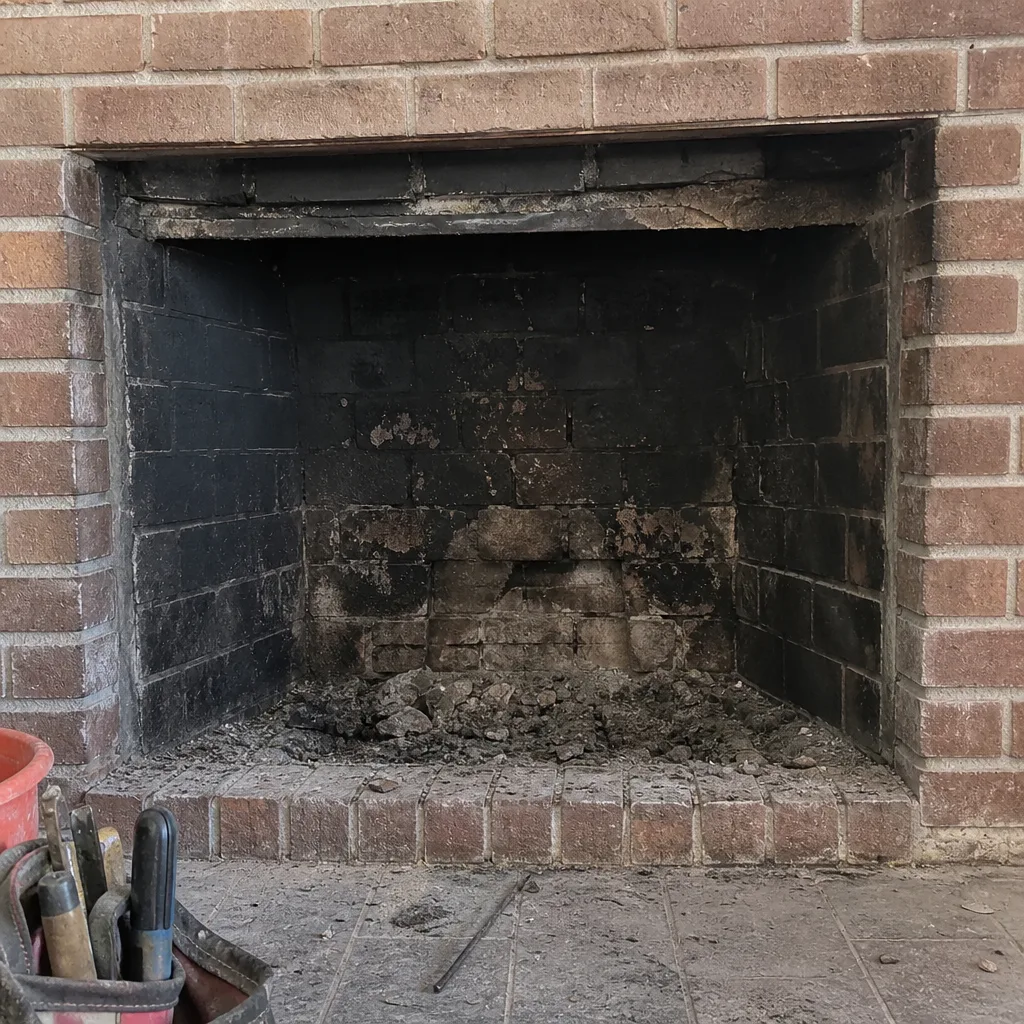 Before
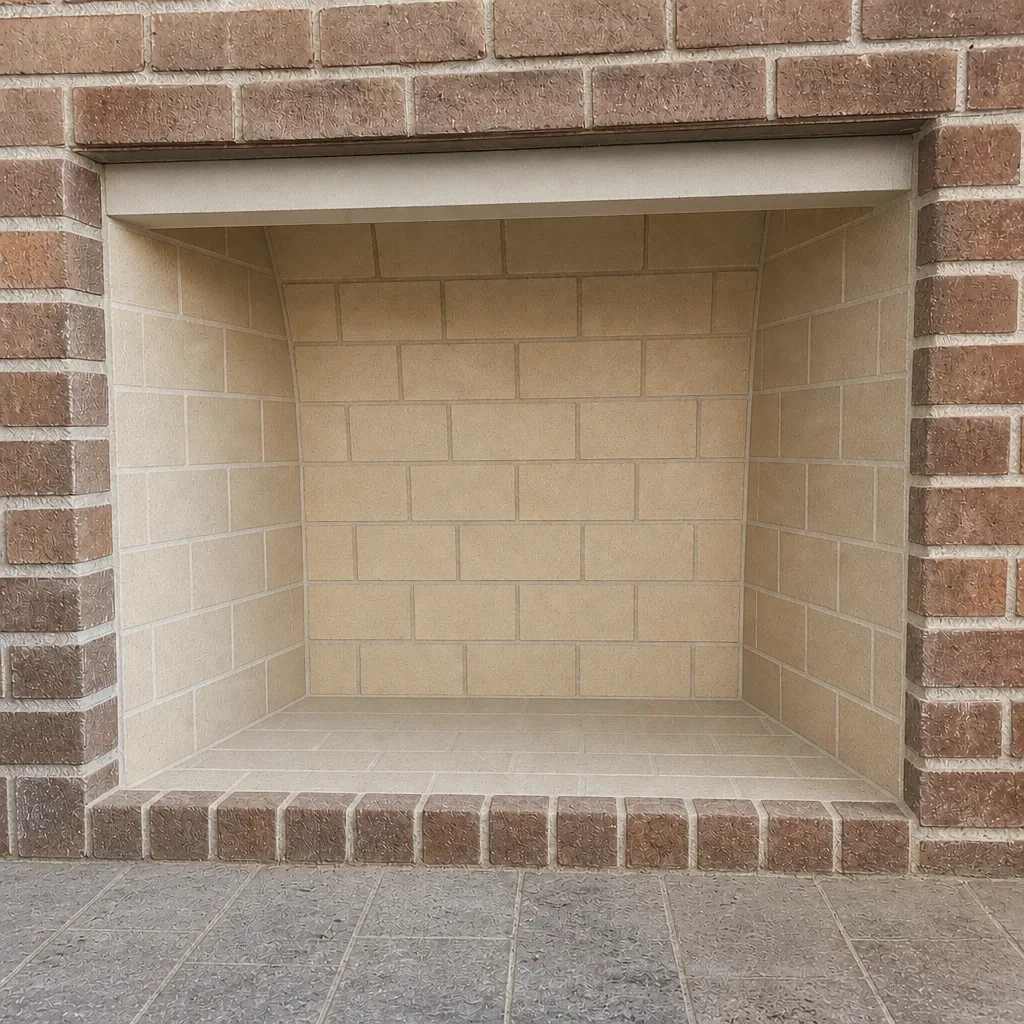 After
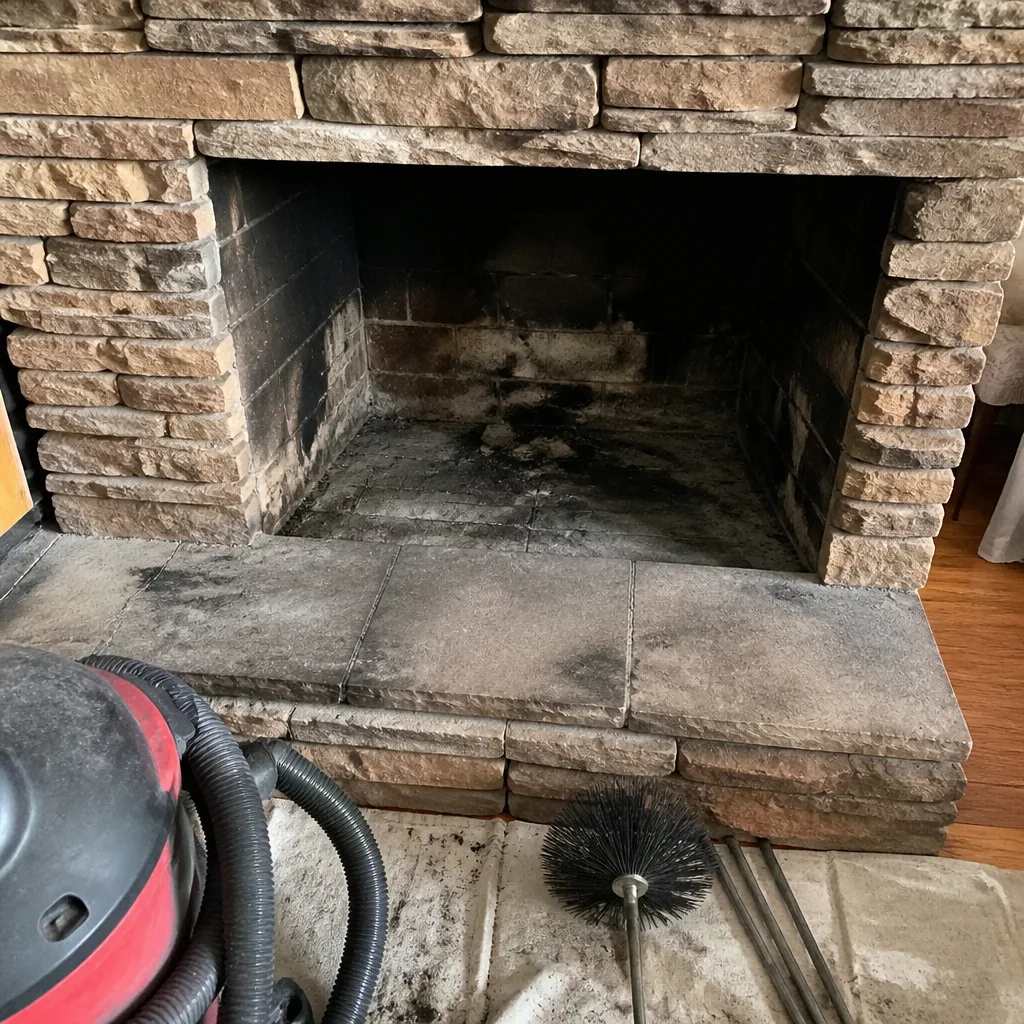 Before
 After
 Before
 After
When to Call a Professional
Call a professional when the job involves anything beyond cleaning. That includes a flue that needs relining, a new appliance going in, a fuel change, a crown or cap that needs replacing, or a camera scan to document condition for a sale, a refinance or an insurance claim. Call right away if you’re seeing signs of a chimney fire, like dark staining around the top or a cracked flue tile, or if a wood-burning fireplace is producing smoke that won’t draw. Call before burning season, not after, if you haven’t had the chimney swept and inspected within the year.
Our technicians have up to 12 years of experience, and the inspection is documented in a way you can actually use: camera footage, photo report, and a clear explanation of what the chimney needs and what can safely wait. Thornton Chimney Sweep Pros offers free estimates in Thornton. Call (866) 937-7966.
Frequently Asked Questions
No. Routine chimney cleaning and a Level 1 visual inspection are maintenance on an unchanged system and don’t require a permit in Thornton. A permit is triggered when the work alters the flue, the appliance, the fuel type or the chimney structure. Call (866) 937-7966 for an exact quote on the inspection that establishes what your chimney actually needs. Estimates are free.
Liner replacement or resurfacing, installing a new wood stove, insert or gas appliance, changing fuel type, structural masonry work, and most chimney rebuilds above the roofline require a permit through the City of Thornton. Cap and crown replacement varies by scope. Confirm with the city’s building department before work is booked. Call (866) 937-7966 and we’ll walk you through the sequence for your job. Estimates are free.
A Level 2 inspection is the standard documentation for a real estate transaction. It includes everything in a Level 1 plus a video scan of the flue interior, and it’s the report a buyer, lender or insurer is usually looking for. A Level 3 is only needed when a Level 1 or 2 finds a problem that requires opening up structure. Call (866) 937-7966 to schedule a Level 2. Estimates are free.
It can, if the work was done without the required permit or doesn’t meet code. Policies generally require compliance with applicable building codes and can reduce or deny a claim where unpermitted or non-compliant work contributed to the loss. Read the “duties after loss,” “ordinance or law” and “faulty workmanship” sections of your own policy. Call (866) 937-7966 for a documented inspection to establish the current condition. Estimates are free.
NFPA 211 is the national standard for chimneys, fireplaces, vents and solid-fuel appliances. Thornton’s adopted building code is what the City of Thornton enforces locally, and it’s built around NFPA 211. Local code can add requirements or set inspection procedures, but the baseline standard the inspector’s report references is NFPA 211. Where the two differ, the stricter requirement governs. Call (866) 937-7966 for an inspection that documents both. Estimates are free.
No. A Level 1 visual inspection is the baseline for an unchanged system and is what’s included with a routine cleaning. A new liner requires a permit and the city’s inspection, and the documentation that supports it is a Level 2 scan plus the manufacturer’s product documentation. A Level 1 report is not a substitute for either. Call (866) 937-7966 to schedule the Level 2 and permit sequence. Estimates are free.
The Bottom Line
The simplest rule for Thornton homeowners: cleaning is maintenance; anything that changes the flue, the appliance or the structure is a permitting project. The City of Thornton building department enforces the code for residential properties inside city limits, Adams County handles unincorporated properties, and NFPA 211 is the national standard the inspector’s report is built on. The documentation trail matters in three situations: a home sale, a refinance, and an insurance claim after a fire. A documented Level 2 inspection and a permitted liner installation protect you in all three. Unpermitted work doesn’t disappear; it shows up at the worst moment. The fix is simple and it isn’t expensive when it’s done on schedule. Thornton Chimney Sweep Pros can walk your chimney from firebox to crown, one specialist, one call.
If your chimney has never been inspected, or if you’re unsure whether prior liner work was permitted, call (866) 937-7966 for a free estimate. We answer 24/7. Fast dispatch from 7am to 7pm, Sunday through Friday.
Written by the team at Thornton Chimney Sweep Pros.