
Last updated November 23, 2026
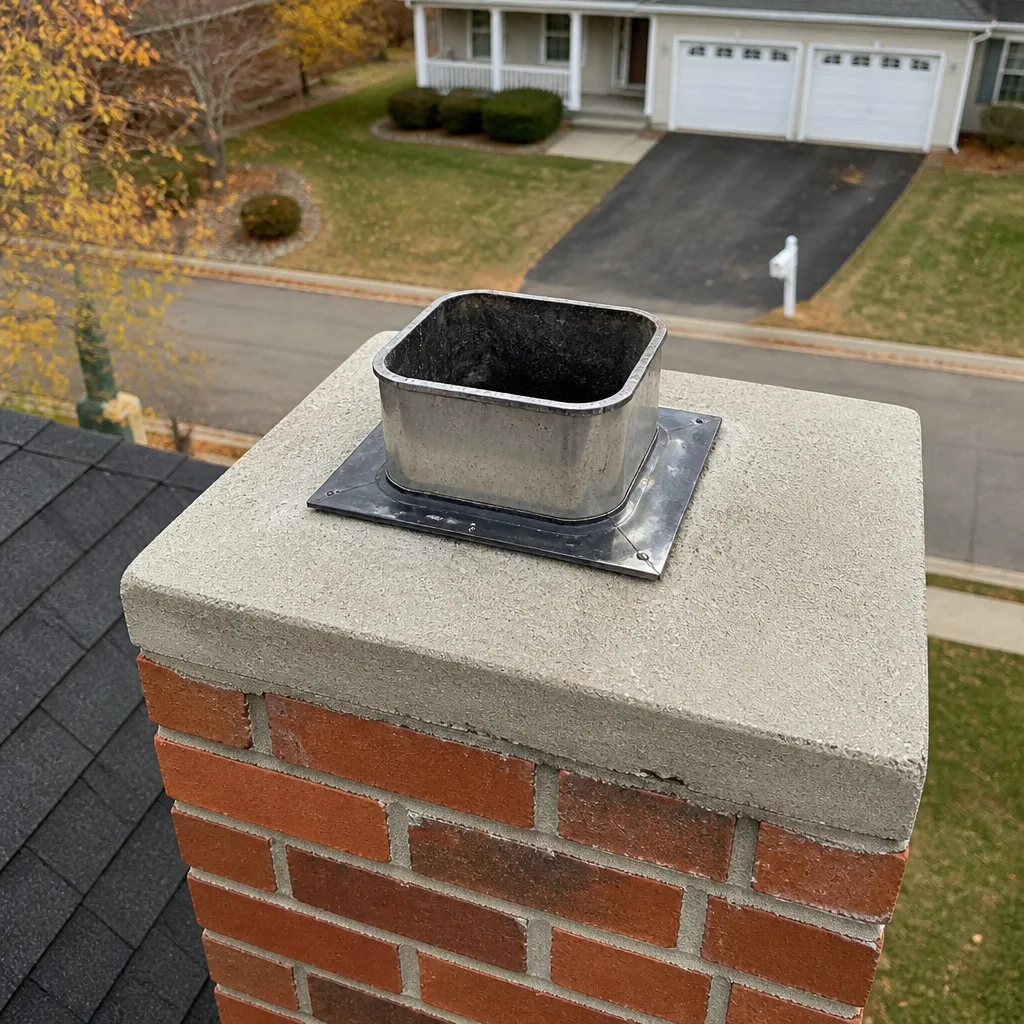 Sweep & inspection
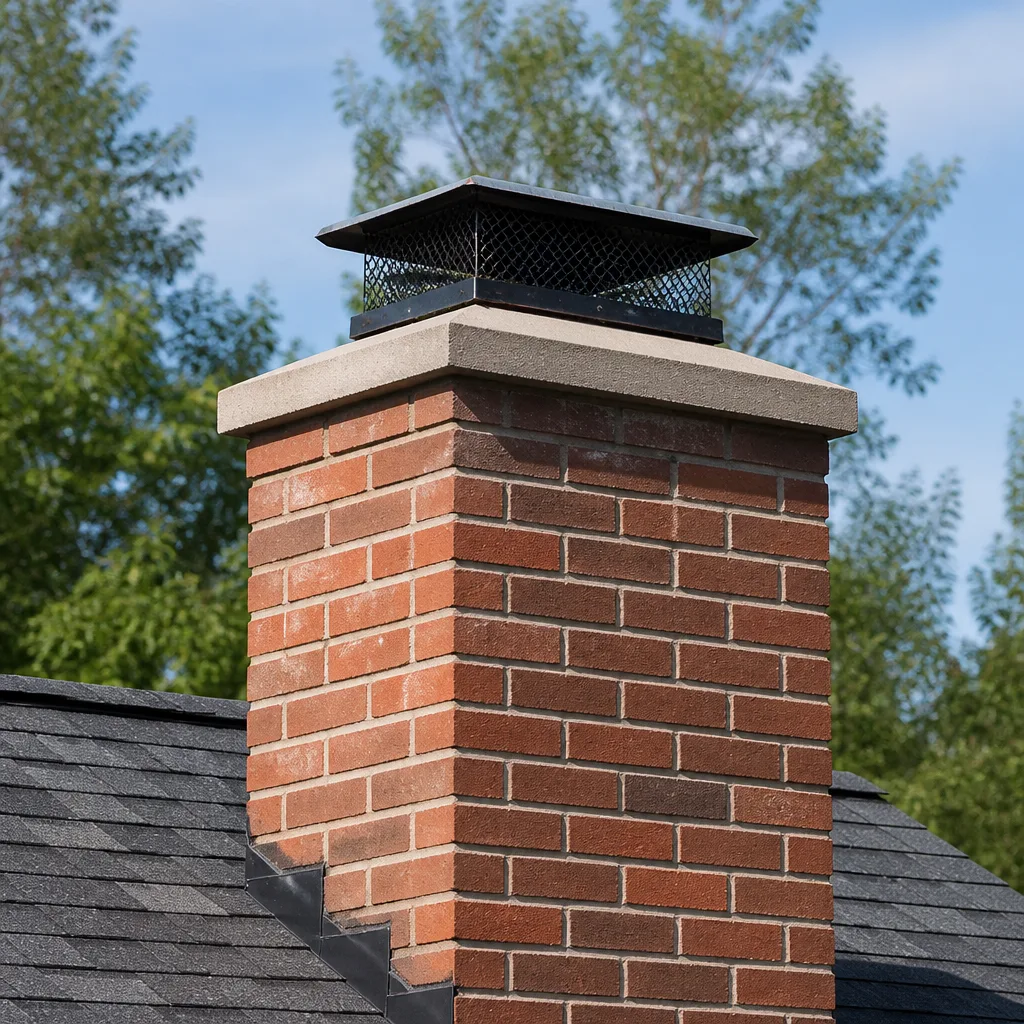 Caps & crowns
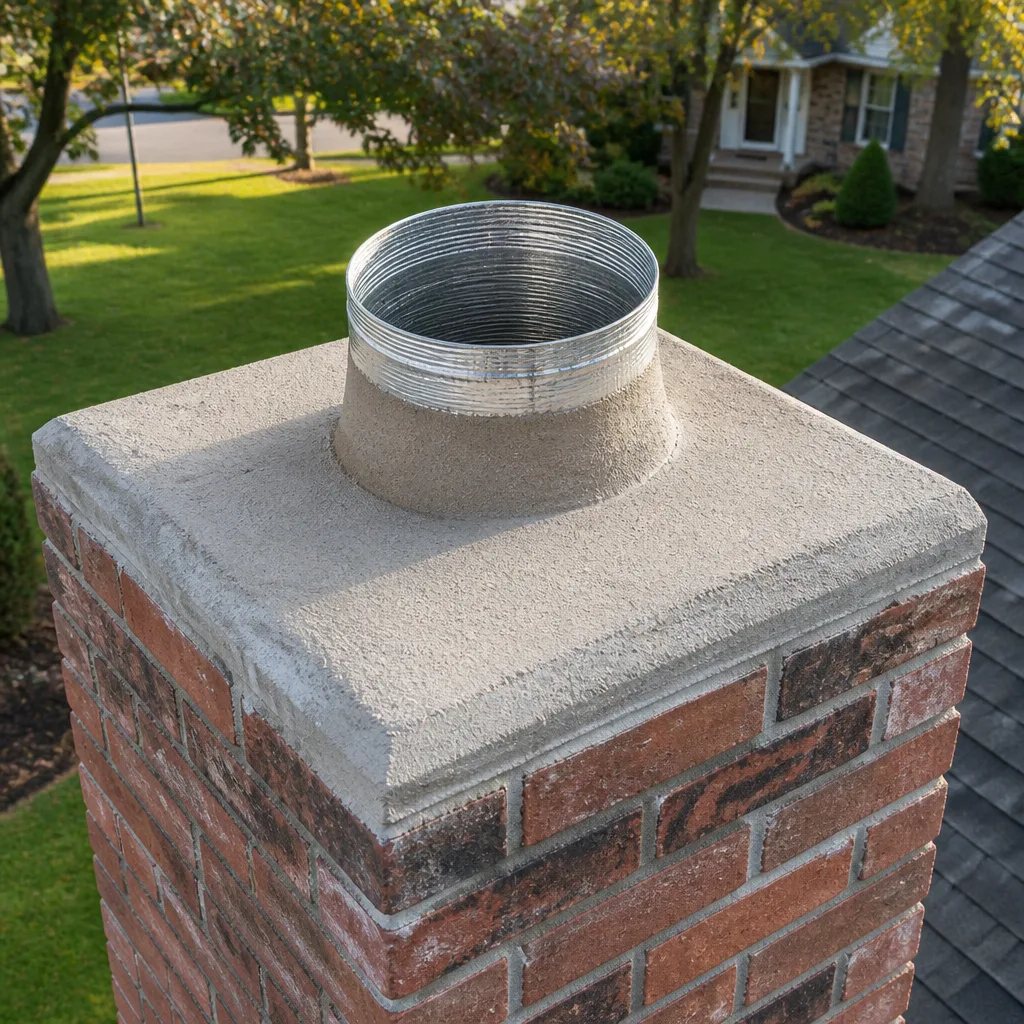 Flue relining
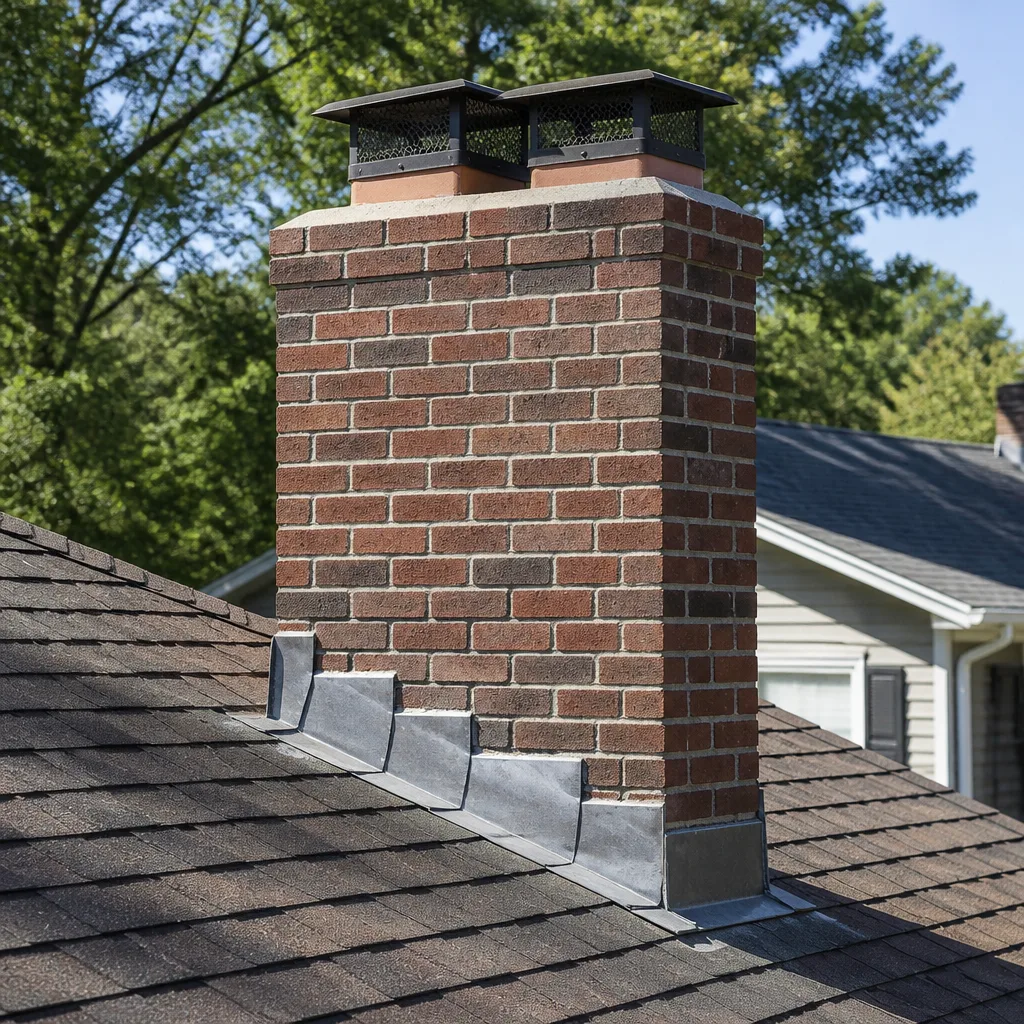 Masonry repair
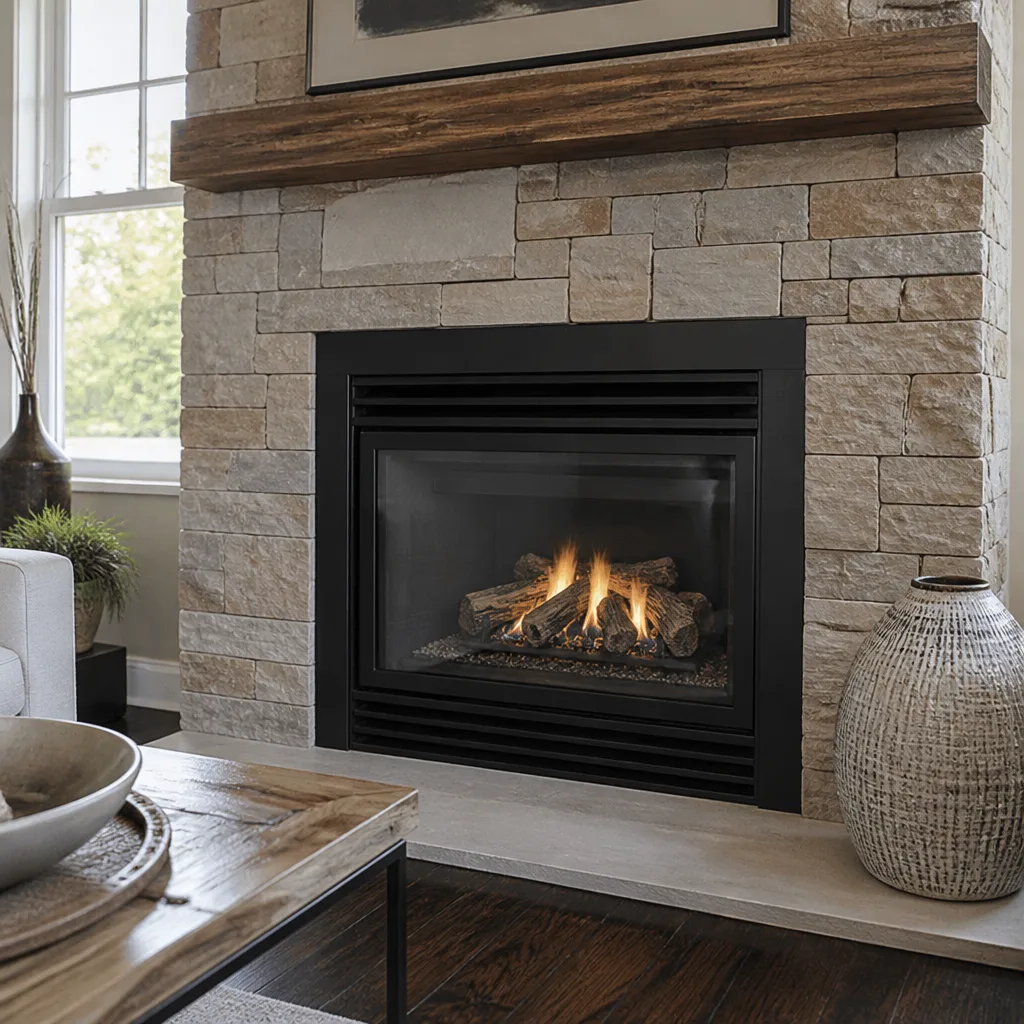 Gas fireplace service
Level 1 sweep and inspection to the NFPA 211 annual standard - flue, crown, cap, and flashing checked and photographed
Chimney sweep logs do not sweep chimneys. They loosen some creosote - which then falls where a brush and vacuum still have to collect it.
Seasonal Chimney Cleaning Care for Thornton: Year-Round Homeowner’s Guide
Most chimney advice you’ll find online says the same thing: sweep once a year, usually in the fall, and you’re set. That advice was written for places with mild, damp winters and four roughly equal seasons. Thornton doesn’t work that way. We get more than 300 days of sunshine a year, a freeze-thaw cycle that repeats 50-plus times each winter, and a hail season that runs from April into September. Those three facts rearrange the entire chimney maintenance calendar. The timing that protects a chimney in a wet, coastal climate can actually let damage set in here. This guide walks through what your chimney is doing in each part of the Thornton year, what to check, and when to book a sweep, an inspection, or a repair before a small issue turns into a rebuild.
Quick Answer
In Thornton, the highest-value chimney care happens in the shoulder seasons, not the fall rush. Book a post-winter inspection in March or April, before spring moisture works into cracks opened by freeze-thaw. Book your pre-season sweep and any repairs in September or October, before the first hard freeze and before burning season starts. A fall-only schedule misses the window when most Thornton chimney damage is actually created.
Styles & brands we work with
- Sweep & inspection
- Caps & crowns
- Flue relining
- Masonry repair
- Gas fireplace service
Table of Contents
- Why Thornton’s Chimney Calendar Is Different
- Spring (March-April): The Post-Winter Inspection Window
- Summer (May-August): Hail Season and the Idle Chimney
- Fall (September-October): Pre-Season Services, What to Do and What Can Wait
- Winter (November-February): In-Season Warning Signs
- How Your Burn Frequency Changes the Cleaning Interval
- What a Proper Sweep and Inspection Actually Involves
- The Thornton Chimney Year at a Glance
Why Thornton’s Chimney Calendar Is Different
The standard national advice to clean your chimney once a year assumes a climate that doesn’t punish masonry the way ours does. Three local conditions reshape the schedule.
Sunshine and freeze-thaw. More than 300 days of sun a year sounds like good news for a chimney, and in some ways it is. But sun on a south- or west-facing chimney heats the masonry, and a clear night drops it well below freezing. Water that has worked into a hairline crack expands when it freezes and pries the crack wider. Repeat that more than 50 times in a winter and a cosmetic crack becomes a path for water into the flue structure. The damage is cumulative and mostly invisible from the ground.
A short, intense burning season. Thornton homeowners who heat with wood tend to burn hard from November through February, often three to five fires a week in the coldest stretch. That’s a different crematory load than a household that lights a fire on holidays, and it changes how fast creosote builds.
A hail season that runs April through September. Hail is the quiet destroyer of chimney caps and crowns. A cracked crown lets water into the masonry below it. One good storm can start a leak that takes months to show up inside the house.
Put those together and the picture is clear: the shoulder seasons, March through April and September through October, are where the decisions that prevent expensive repairs actually get made. The deep winter and high summer months are when you watch for symptoms. The team at Thornton Chimney Sweep Pros plans its work around that rhythm because it’s what we see in Thornton chimneys.
Spring (March-April): The Post-Winter Inspection Window
A post-winter chimney inspection in Thornton should happen in March or April, before spring moisture has a chance to migrate into any new cracks opened by winter freeze-thaw. This is the single most overlooked piece of chimney care in the region, and it’s the one that prevents the most expensive repairs.
Here’s the reasoning. By the end of February, your chimney has been through months of thermal cycling and hard use. Hairline cracks in the crown, loose mortar joints, and small gaps at the flashing are common after a cold winter. None of them leak yet. In April and May, spring rain and snowmelt find those openings. Water sits in the masonry, and then a late-spring cold snap freezes it. The cycle repeats. By the time a homeowner notices a stain on the ceiling in July, the water has been working for months.
A spring inspection catches those openings while they’re still small and cheap to seal. What we look at in a spring assessment:
- Crown condition. Cracks, spalling, and separation from the flue are the main entry point for water.
- Mortar joints. Soft or recessed joints on the exterior stack signal that water has been in and out of the masonry.
- Flashing. The seal where the chimney meets the roof takes a beating from freeze-thaw; gaps here leak straight into the attic.
- Cap and spark arrestor. Winter wind and ice can loosen a cap or bend the mesh.
- Flue interior. A camera inspection shows whether creosote buildup or a cracked liner survived the winter.
Spring is also the right time to schedule any masonry work that a freeze could damage before it cures. Crown repair, flashing resealing, and mortar work all want warm, dry weather to set properly. Booking in March or April means the repair happens in May, before the summer storm season and well before the fall.
If your winter burn was heavy, a spring chimney sweep also clears the season’s creosote so it doesn’t sit in the flue all summer absorbing moisture. Call (866) 937-7966 to book a spring assessment. We answer 24/7. Fast dispatch from 7am to 7pm, Sunday through Friday.
Summer (May-August): Hail Season and the Idle Chimney
An unused chimney in a Thornton summer is not a dormant chimney. Hail, wind-driven rain, and the wide day-night temperature swing all act on the exterior of the stack even when no fire is lit. Summer is when you watch and check, not necessarily when you book major work, but the checks matter.
What happens inside a chimney through a Thornton summer:
- Hail strikes the cap and crown. Cast crowns and metal caps take direct hits. A cracked crown is the most common summer-found defect we see, and it’s almost always caused by hail or thermal shock rather than fire.
- Rain enters through the open flue. Without a properly fitted cap, summer rain runs straight down the flue and into the firebox, where it corrodes the damper and smells musty by fall.
- Stagnant air and humidity. Even in a dry climate, a closed-up firebox traps moisture. That’s why a summer sweep or a cap installation pays for itself in reduced fall odor.
- Nests and debris. Birds and squirrels find an uncapped flue a convenient home. A nest is a fire hazard and blocks the draft.
What to check after a Thornton hail storm
- Look at the crown from the ground with binoculars. Any visible crack, crumbling edge, or separation from the flue is worth a professional look.
- Check the cap. Is it still square and attached? Is the mesh intact? A loose cap rattles in wind and lets water in at an angle.
- Look for granules or grit on the roof near the chimney base, which can indicate masonry shedding after impact.
- Check the attic and ceiling for new water stains after a heavy storm, especially near the chimney chase.
- Note any musty smell in the firebox in late summer, which usually means water has been getting in.
If a storm check turns up a cracked crown or a damaged cap, that’s a repair, and summer is a good time to do it. Warm, dry weather lets sealants and repair materials cure properly. A cap and crown installation completed in June protects the chimney through the rest of hail season and into the fall. We install caps and crowns built from Copperfield and Gelco components as part of a full-system approach. If you’re not sure whether your chimney needs this, a chimney repair assessment will tell you exactly what’s wrong and what it costs to fix, with nothing recommended that a camera can’t show you.
Fall (September-October): Pre-Season Services, What to Do and What Can Wait
Fall is when most homeowners think about their chimney, and that instinct is correct, just often misdirected. The question isn’t “what can I book?” It’s “what has to happen before the first fire, and what can safely wait until spring?” Here’s how we’d sequence it.
Do these before burning season
- Book the annual sweep. Clear the flue of summer debris, nests, and any creosote left from last season. This is the baseline service and the one thing that should never be skipped.
- Get a level-two inspection if anything changed. A new-to-you home, a chimney that had work done, or a storm that hit the cap all warrant a camera inspection before you light a fire.
- Confirm the cap is intact. A missing or damaged cap means rain, snow, and animals have had access all summer. Replace it before winter.
- Test the damper and smoke draw. A cold test fire in late September (with the flue clear) confirms the draft is working before you depend on it in January.
These can wait until spring
- Minor cosmetic crown repairs that aren’t actively leaking can be scheduled for spring, when the work can cure before summer storms. If the crown is actively letting water in, though, don’t wait.
- Full relining when the current liner is still serviceable can be planned for spring or summer. If the flue is damaged and unsafe, relining moves to the front of the line.
- Cosmetic masonry pointing that isn’t structural can be batched into a spring masonry appointment.
The single biggest fall mistake is sequencing. Some homeowners book a sweep, get the report, and then wait weeks to schedule the repair the sweep flagged. That can push the repair past the first freeze and into a season when the work can’t cure properly. If the fall inspection turns up a crown crack or a failing liner, book the repair at the same time you book the sweep, or as close to it as the schedule allows. The full picture from the firebox to the crown matters here. When a flue needs restoration, we use HeatShield for in-place resurfacing and DuraFlex flexible liners for damaged or undersized flues, both engineered for the job rather than improvised.
Fall is also the wettest shoulder season in Thornton, so a fireplace repair on a damper or firebox door is worth doing before the first fire. Call (866) 937-7966 for a free estimate. We answer 24/7. Fast dispatch from 7am to 7pm, Sunday through Friday.
Winter (November-February): In-Season Warning Signs
Once you’re burning regularly, watch for a small set of warning signs that mean “call now” rather than “wait for the spring sweep.” A chimney that’s behaving normally through the winter shouldn’t give you any of these.
Signs that warrant a mid-winter call
- Smoke rolling back into the room when the damper is open. This usually means a blocked flue, a nest, or a draft problem, and it’s a stop-burning signal until it’s checked.
- A strong, sharp creosote smell in the house when the fire is out. A heavy creosote load smells different from normal wood smoke, and it means buildup is significant.
- Any crackling or roaring that’s louder than the fire itself, or a glowing or discolored area on the chimney exterior. Stop using the fireplace and get it inspected. These can indicate a chimney fire in progress or a hot spot that compromised the liner.
- Water stains or musty smells appearing during winter, which means melting snow has found a path in. A flashing or crown issue is likely.
- Carbon monoxide alarms going off, or headaches and drowsiness when the fire is burning. Stop using the fireplace, ventilate the house, and call. This is not a “wait and see” situation.
- Visible damage after a windstorm, such as a loose cap or a brick that’s come free from the stack.
None of these are cosmetic. A mid-winter call is the right call when any of them shows up, because the alternative is burning through a compromised flue for another six weeks. Our technicians have up to 12 years of experience and are trained to tell the difference between a normal creosote load and a danger sign. If you’re not sure, we’d rather look at it than have you guess.
If a chimney fire has happened, treat every fire as a level-two inspection trigger. A slow-burning chimney fire can damage the liner without obvious exterior signs, and the only way to know is a camera inspection.
How Your Burn Frequency Changes the Cleaning Interval
The “one cord of wood equals one cleaning” heuristic gets repeated a lot, and it isn’t wrong, but it doesn’t fit a Thornton burn pattern very well. Three to five fires a week through a cold Thornton winter adds up differently than an occasional weekend fire. Here’s how to think about your interval.
- Light use (an occasional fire, under a cord a season): Annual sweep, done in the fall, is a reasonable baseline. Add an inspection if the chimney is new to you or hasn’t been checked in several years.
- Moderate use (two to three fires a week in season): Annual sweep is still the floor, but don’t skip the pre-season check. If the sweep turns up more than a thin layer of creosote, consider a second sweep mid-season.
- Heavy use (four or more fires a week through the winter): A fall sweep plus a mid-season check (January or February) is worth it, especially if you burn softer wood or a lot of paper and cardboard. Creosote builds faster under those conditions than the cord-based rule suggests.
- Any use of unseasoned or green wood: This is the fastest way to build creosote. Treat this as heavy use for scheduling purposes, and consider more frequent sweeps regardless of fire count.
The measure that actually matters isn’t fire count, it’s creosote thickness in the flue. The standard rule we go by is: sweep when the creosote layer reaches a thickness that could ignite. You can’t measure that from the firebox, which is why a proper sweep includes looking up the flue with a camera or a light and documenting what’s there. A sweep report that says “one-eighth inch, no action needed” is telling you something just as useful as one that says “quarter inch, book again in February.”
Our flat-price sweep is agreed before we book, so you know what the sweep costs before anyone shows up. If a camera inspection shows more than the sweep can handle, we tell you that up front, with the photos to show it. Nothing is recommended without camera evidence you can see for yourself.
What a Proper Sweep and Inspection Actually Involves
Not every “sweep” is a sweep. A quick brush-and-go visit and a documented, whole-system assessment are different services, and the difference matters most in the shoulder seasons when small issues are cheap to fix. Here’s what a proper visit looks like, step by step.
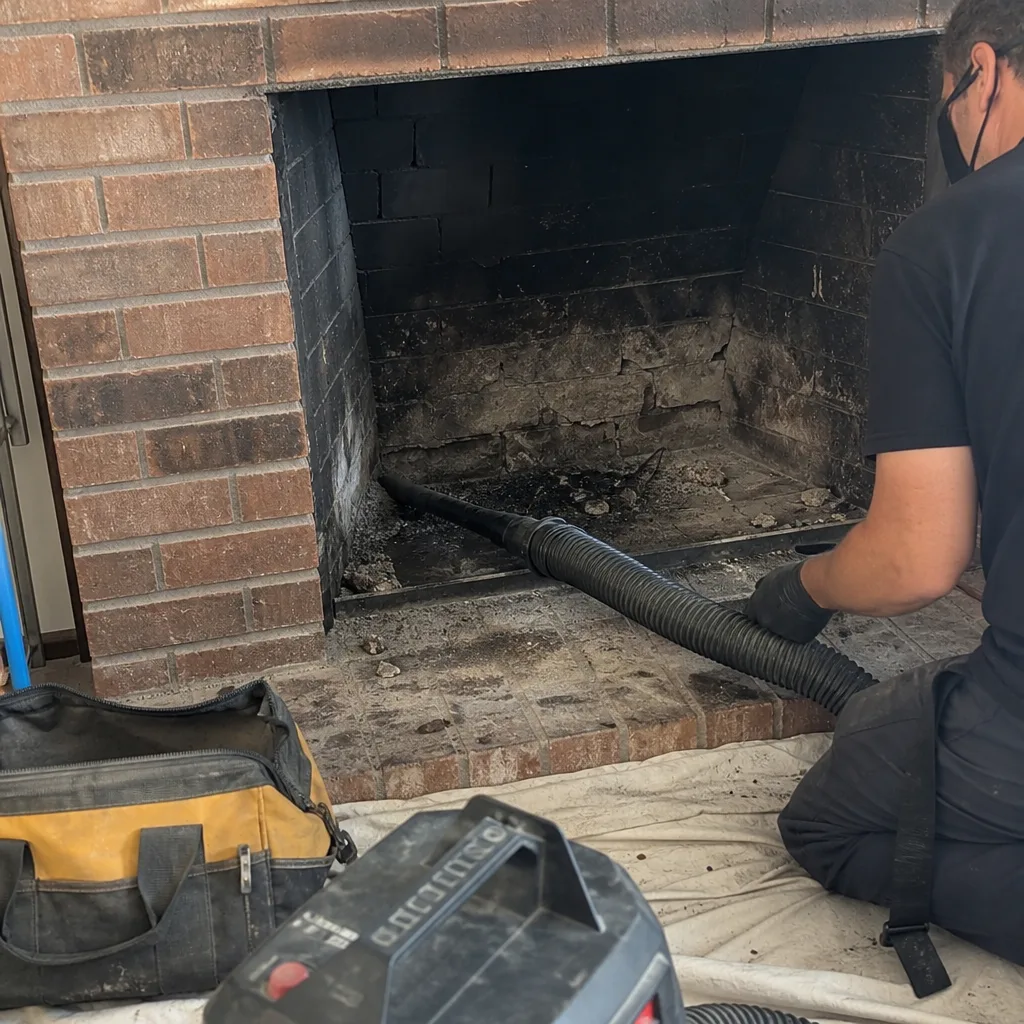
- Set up and protect the room. Drop cloths and a sealed vacuum keep the living space clean.
- Clear the firebox and damper area. Ash, soot, and any debris in the firebox are removed first.
- Brush the flue from the bottom up. The flue walls are brushed with the correct brush for the liner material, so the liner isn’t scratched.
- Inspect the flue with a camera. A camera goes up the flue to check for cracks, gaps, offset joints, heavy creosote, and blockages. The video is documented and shared with you.
- Check the firebox and smoke chamber. The damper operates freely, the firebox has no cracks that threaten the firebrick, and the smoke shelf is clear.
- Inspect the exterior. The crown, cap, flashing, and masonry joints are checked for the water-entry points covered in the spring and summer sections.
- Report and, if needed, quote. You get a written summary. If a repair is recommended, it’s backed by a photo or camera image, and the written estimate sets the final price.
You’ll notice that half the value of a proper visit is documentation. A camera inspection your technician hands you in writing is also the exact document that helps with an insurance claim, a real estate transaction, or planning a repair budget. That’s why we run every sweep this way rather than offering a stripped-down version. If you only get one thing out of this guide, let it be this: insist on a documented inspection with every sweep, and never accept a repair recommendation you can’t see with your own eyes.
The Thornton Chimney Year at a Glance
Here’s the full year in a single table, laid out so you can plan the year without rereading the whole guide.
- March-April: Post-winter inspection. Check crown, flashing, mortar, and flue after freeze-thaw. Book any masonry work for May. Sweep if winter burn was heavy.
- May: Cure-season masonry work (crown repair, flashing reseal, mortar pointing) while the weather is warm and dry.
- June-August: Hail-season visual checks after storms. Cap and crown repair window. Address musty firebox smells. Good time for a cap installation or relining if needed.
- September: Book the annual sweep. Confirm cap is intact. Test the damper with a cold test fire once the flue is clear.
- October: Pre-season inspection if anything changed over summer. Address any repair the sweep flagged. Final check before first burn.
- November-February: In-season use. Watch for smoke rollback, sharp creosote smell, loud crackling, water stains, or CO alarms, and call immediately if any appear. Mid-season check for heavy burners.
If you’re reading this outside the shoulder season, the answer isn’t to wait for the next one. A sweep and inspection done today still catches what needs catching, and it sets you up for the right schedule going forward. Call (866) 937-7966. We answer 24/7. Fast dispatch from 7am to 7pm, Sunday through Friday.
Common Mistakes to Avoid
- Waiting for the fall for a post-winter inspection. Spring is when the cracks opened by freeze-thaw are still small and cheap to seal. By fall, moisture has been working on them for months. Book in March or April.
- Assuming an unused summer chimney is safe. Hail and wind-driven rain act on it all summer, and an uncapped flue is a home for birds. Do a storm check after any significant hail.
- Booking a sweep without a camera inspection. A sweep without documented evidence is just a brushing. You should see what the technician saw, and you should get it in writing.
- Burning green or unseasoned wood because it’s what’s on hand. It builds creosote several times faster than seasoned wood, and it’s the fastest way to move a “once a year” chimney into a “twice a season” one.
- Letting a “$99 sweep” turn into a $6,000 liner quote. The number on the truck is a way to get in the door. Insist on a written estimate set before any work starts, and a repair recommendation backed by camera evidence.
- Ignoring a mid-winter smoke smell or a loud crackling fire. A creosote build-up or a chimney fire during the season is the time to act, not the time to schedule for spring.
- Doing your own high-ladder work on the crown or cap. Roof access and chimney work on a pitched roof is genuinely dangerous. This is the one part of chimney care we’d never encourage a homeowner to do themselves.
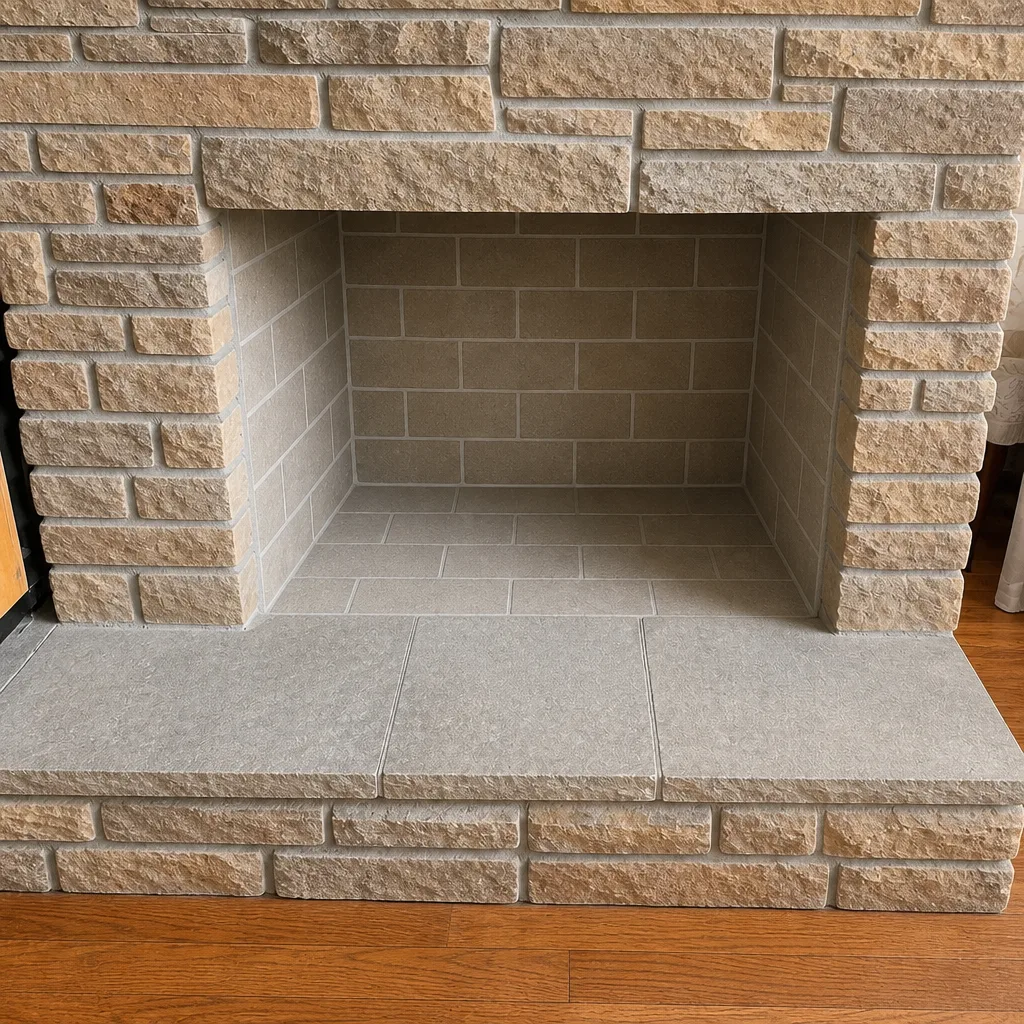
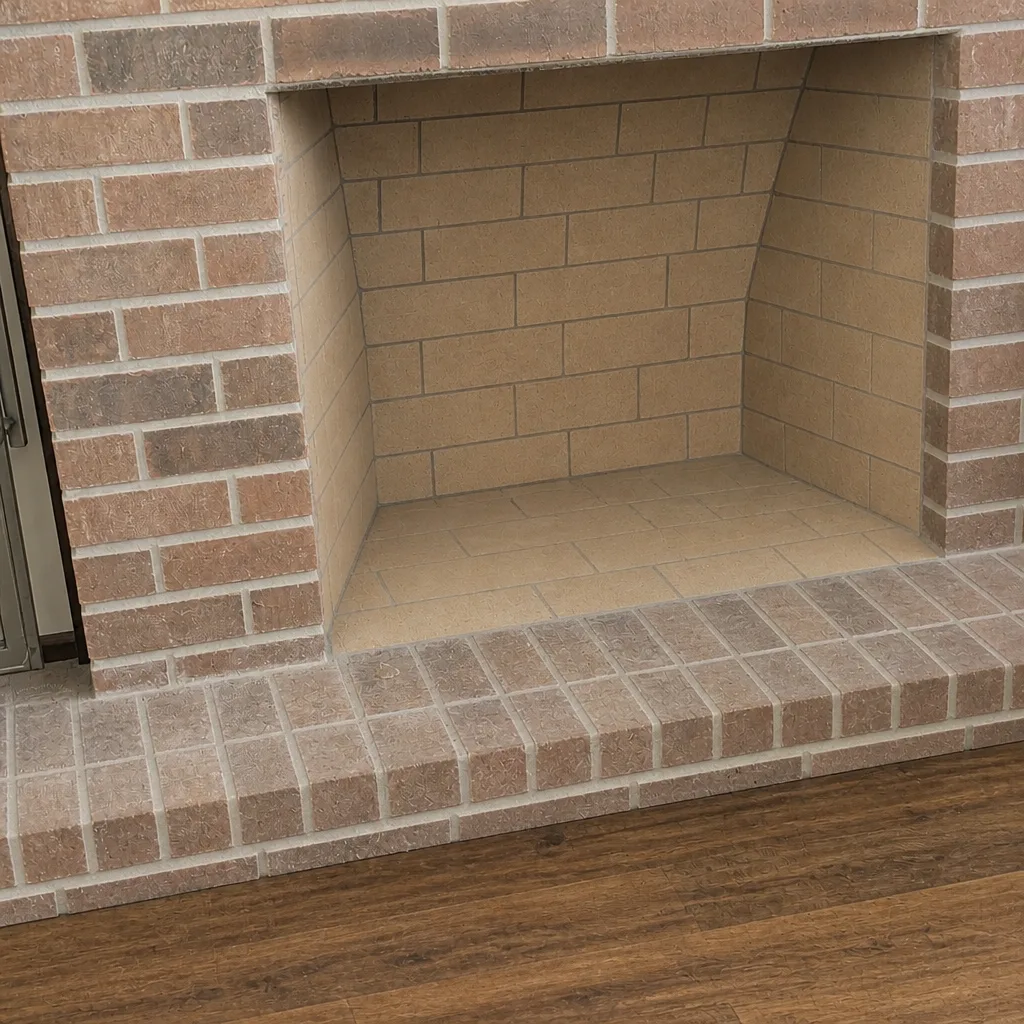
See the difference
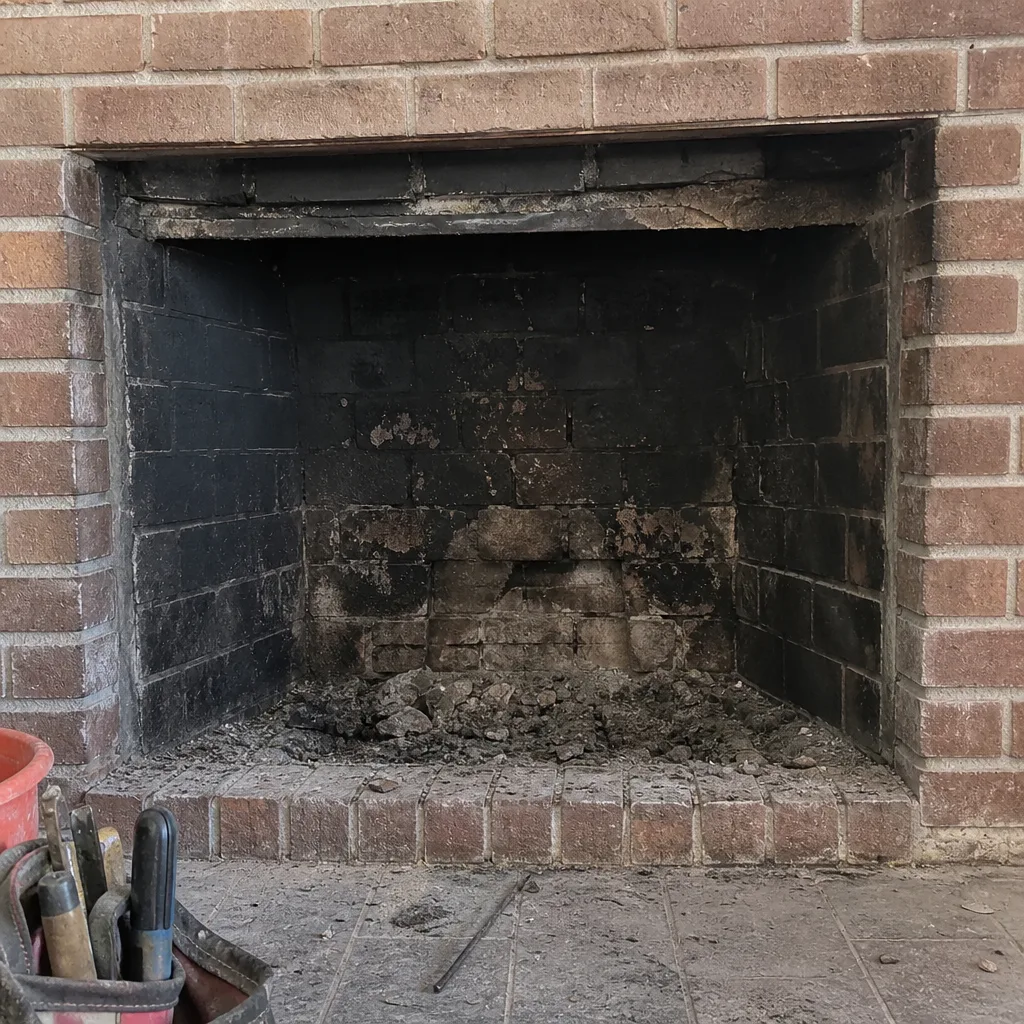 Before
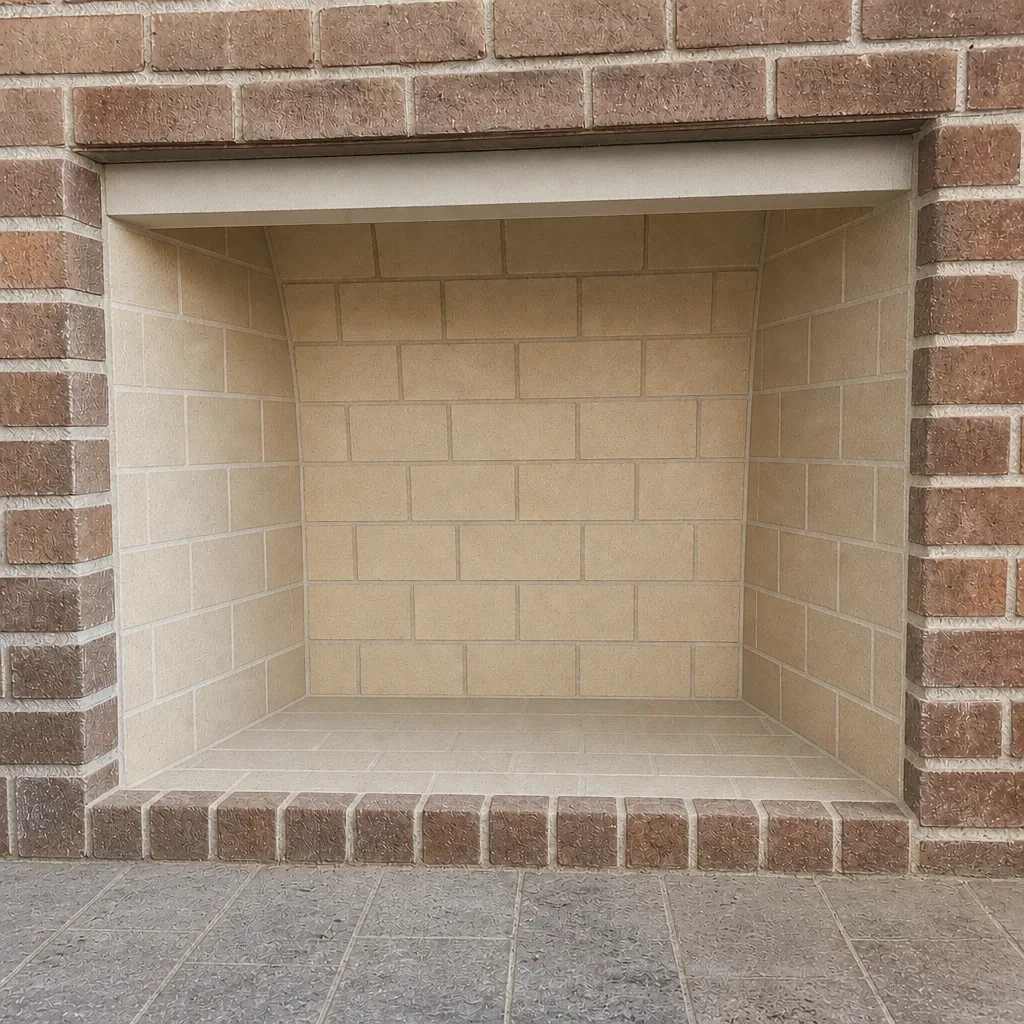 After
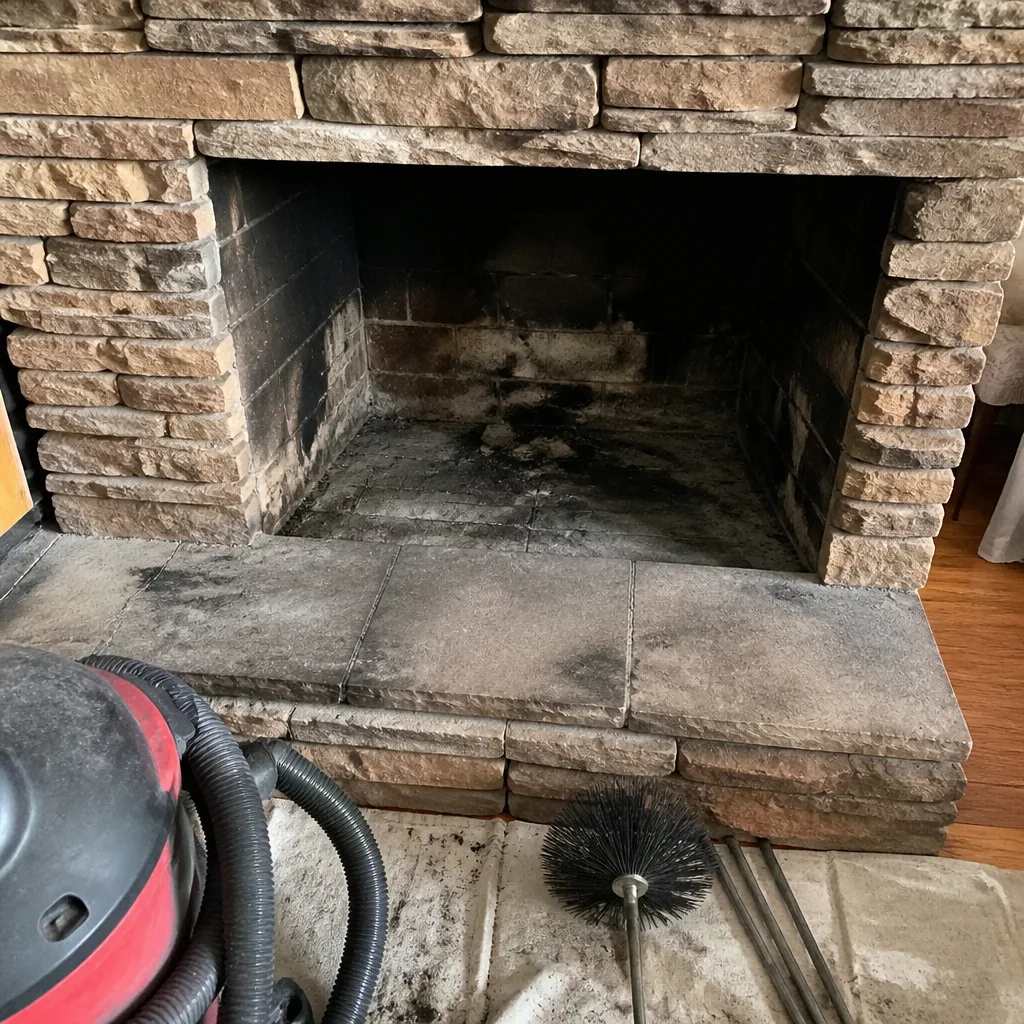 Before
 After
 Before
 After
When to Call a Professional
Call a professional when the fire won’t draw properly, when smoke rolls into the room, when you smell a sharp creosote odor with the fire out, when a chimney fire happens, when a CO alarm goes off, or when you see water stains near the chimney. Call after any hail or windstorm that damaged the cap or crown, and call before buying a house with a chimney you haven’t had inspected. Call if you’re burning wood at any real frequency and haven’t had a sweep in a year. And call if you don’t know the last time the chimney was looked at. A chimney is one of those systems where the downside of guessing is genuinely bad. Our technicians have up to 12 years of experience and can walk you through the whole-system picture, from firebox to crown. Thornton Chimney Sweep Pros offers free estimates in Thornton. Call (866) 937-7966.
Frequently Asked Questions
Most Thornton households should get an annual sweep, and heavy wood burners (four or more fires a week through the winter) should add a mid-season check in January or February. The cord-of-wood rule gets repeated a lot, but in this climate the burn pattern matters more than the cord count. If you burn soft wood, green wood, or a lot of paper, plan for more frequent sweeps. The real test is creosote thickness in the flue, which only a camera can confirm. Call (866) 937-7966 for an exact quote, and estimates are free.
September is the best month for the pre-season sweep, and March or April is the best month for the post-winter inspection. Fall is the natural “before we light a fire” time, and spring is when cracks from winter freeze-thaw are still small. Booking for August or early September often lands you on a better schedule than waiting until October. Call (866) 937-7966 for an exact quote, and estimates are free.
You need a new liner only when the existing liner is actually compromised: cracked, separated at the joints, deteriorated by fire, or undersized for the appliance. You do not need one because a sweep visited your house. The right test is a camera inspection, and the technician should show you the footage. When relining is the answer, we install DuraFlex flexible liner systems, which are engineered for the job. If your liner is sound, it stays put. Call (866) 937-7966 for an exact quote, and estimates are free.
Skipping one year isn’t a catastrophe for a lightly used chimney, but the risks are real. Creosote builds up and can ignite, water finds cracks and freezes, and small masonry issues get worse. Skipping several years is when a small crown crack becomes a rebuild. The good news is that a single annual visit catches almost all of it. If it’s been more than a couple of years, book an inspection before your next fire. Call (866) 937-7966 for an exact quote, and estimates are free.
Yes. Sweeps happen through the winter, and a mid-season sweep is often the right call for heavy burners. If you’re seeing smoke rollback, a sharp creosote smell, or unusually loud crackling, don’t wait for spring. Sweep now, then sweep again before the next heating season. Call (866) 937-7966 for an exact quote, and estimates are free.
We can’t quote a number over the phone because the cost depends on the flue, the creosote load, and whether the chimney needs an inspection or a repair. What we can tell you is that our sweep cost is flat and agreed before we book, and the written estimate sets the final price. There are no surprise charges after the work starts. Call (866) 937-7966 for an exact quote, and estimates are free.
The Bottom Line
The national “once a year in the fall” advice misses the seasons that matter most in Thornton. Post-winter inspection in March and April catches the cracks that freeze-thaw opened while they’re still small. Summer storm checks catch hail damage to the cap and crown before it becomes a leak. Fall is your pre-season window, but book the repair at the same time as the sweep so it doesn’t slip past the first freeze. Winter is for watching the warning signs and calling when they show up. And your burn frequency should set your sweep interval, not a rule of thumb written for a different climate. A chimney is one system from firebox to crown. One specialist for the whole system beats a string of partial fixes every time. Call (866) 937-7966. We answer 24/7. Fast dispatch from 7am to 7pm, Sunday through Friday.
Written by the team at Thornton Chimney Sweep Pros.