
Last updated November 23, 2026
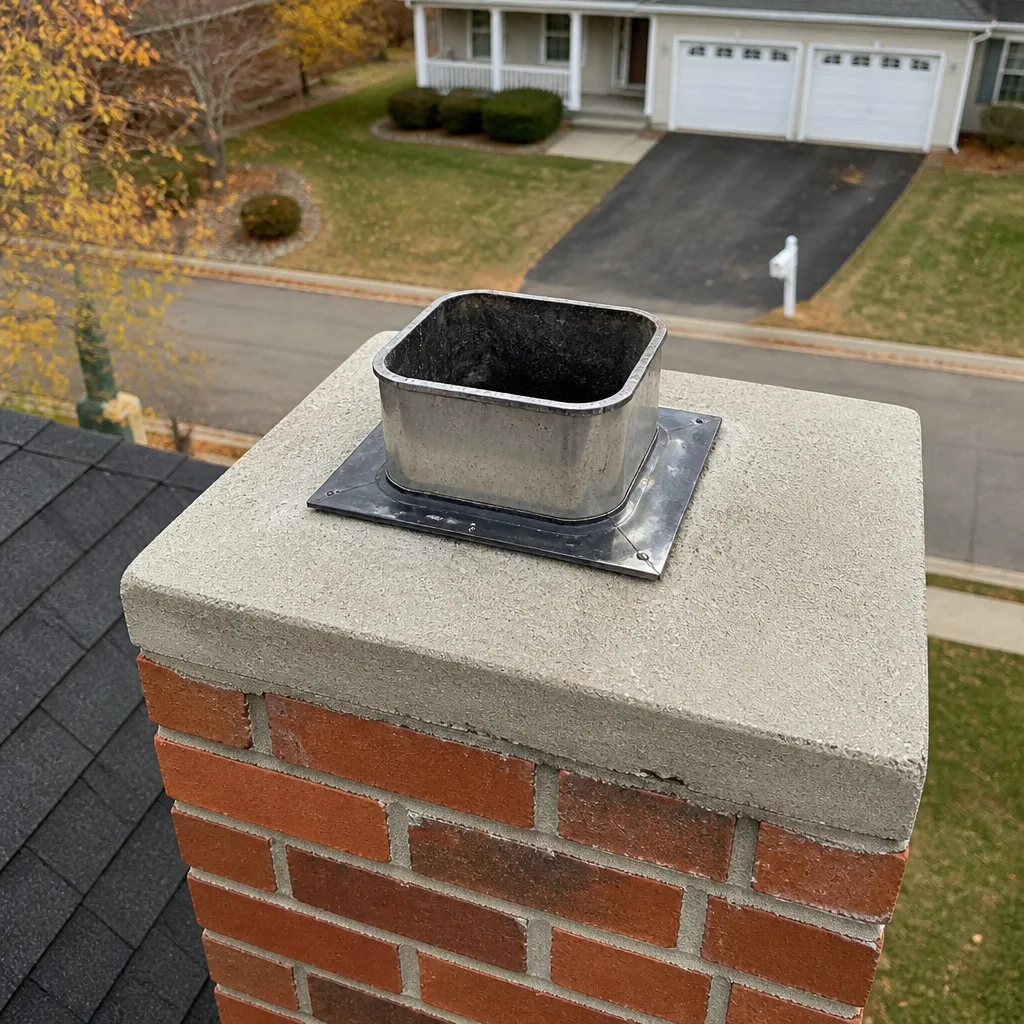 Sweep & inspection
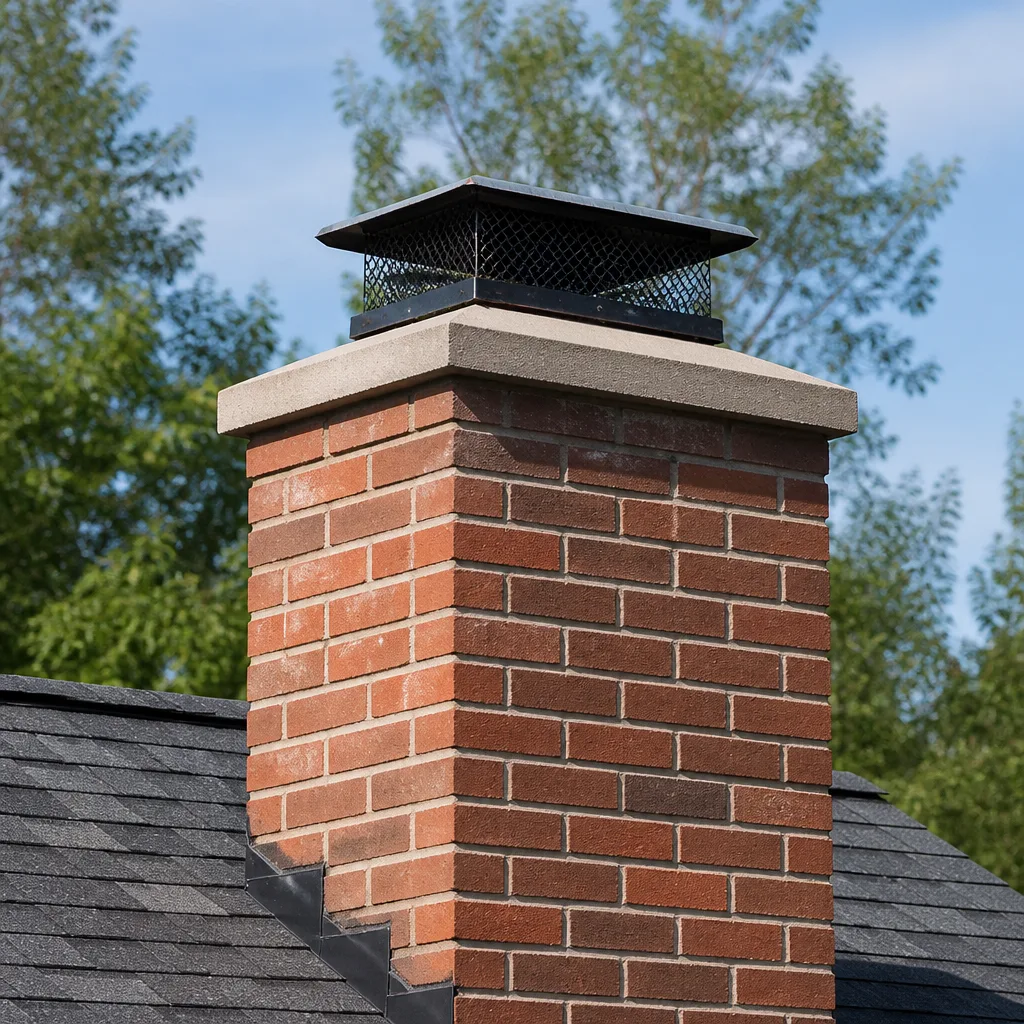 Caps & crowns
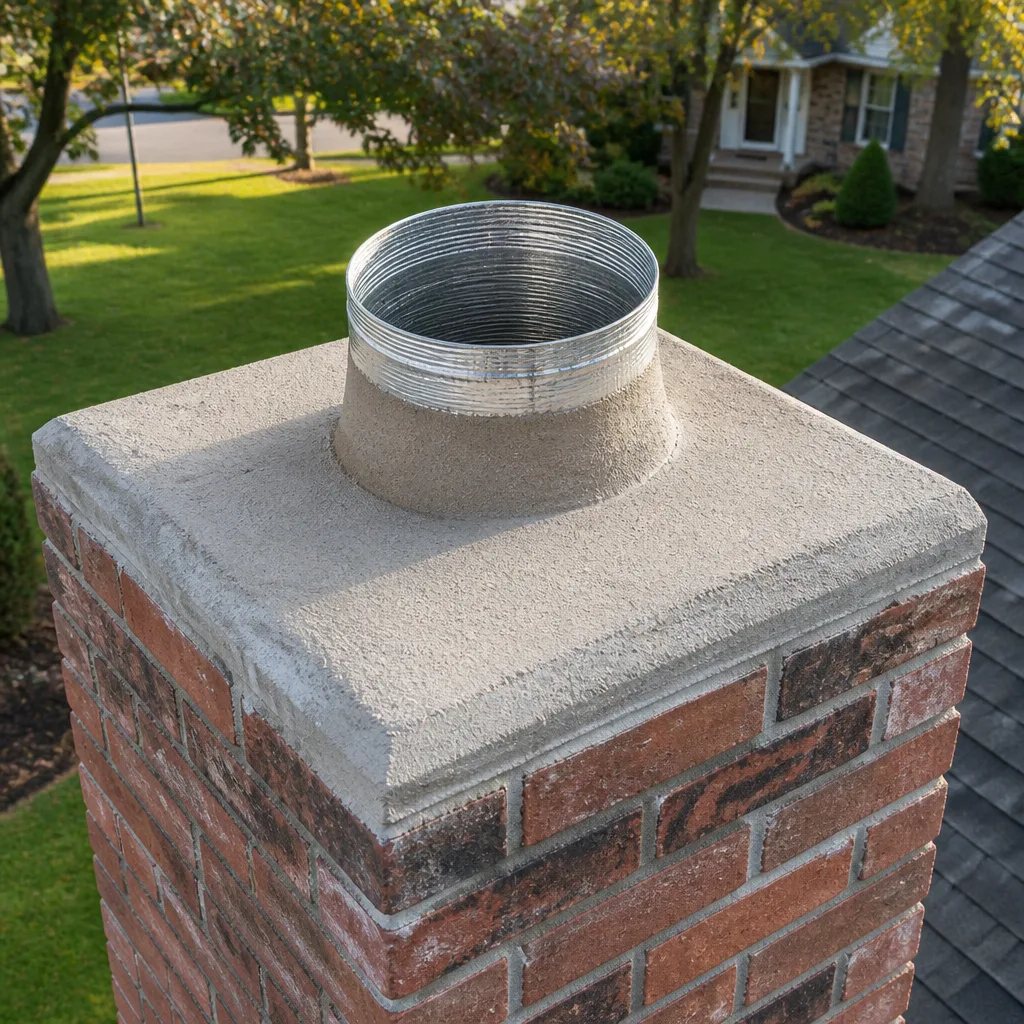 Flue relining
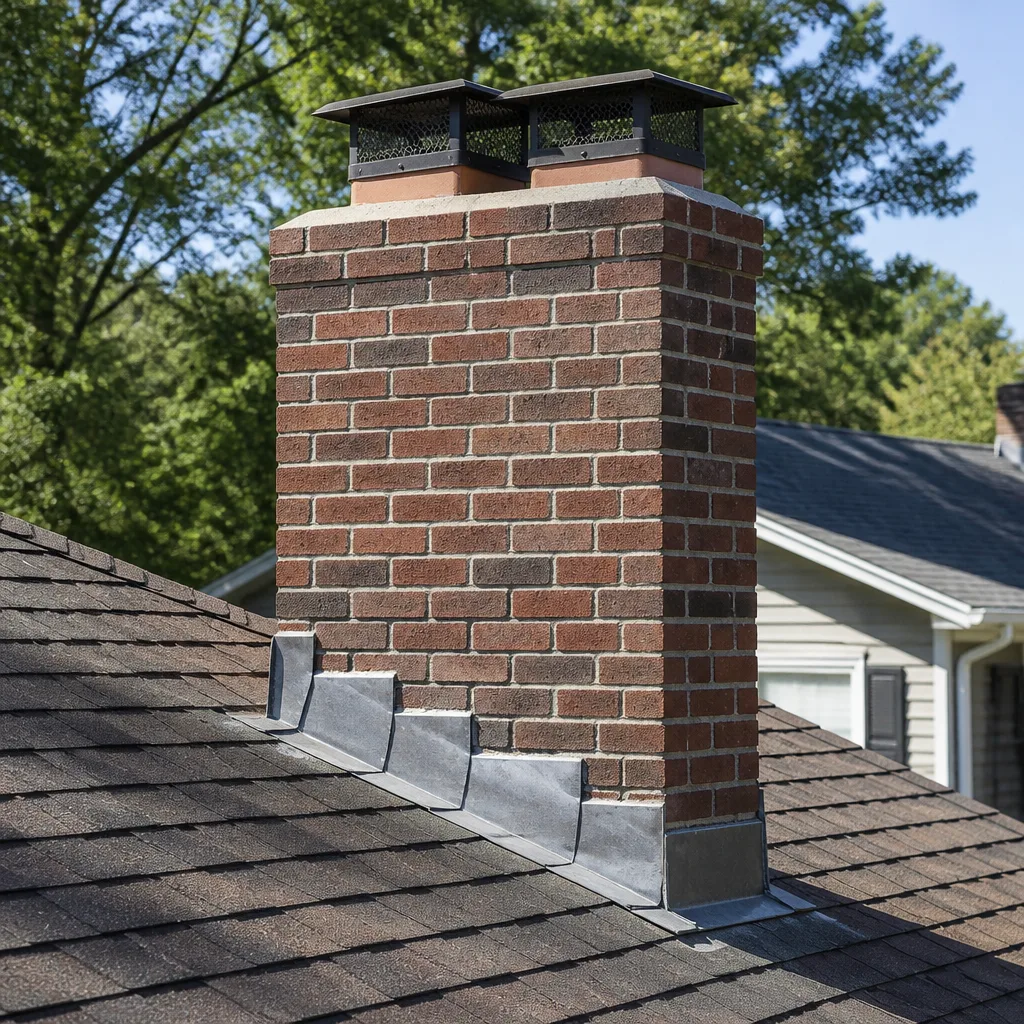 Masonry repair
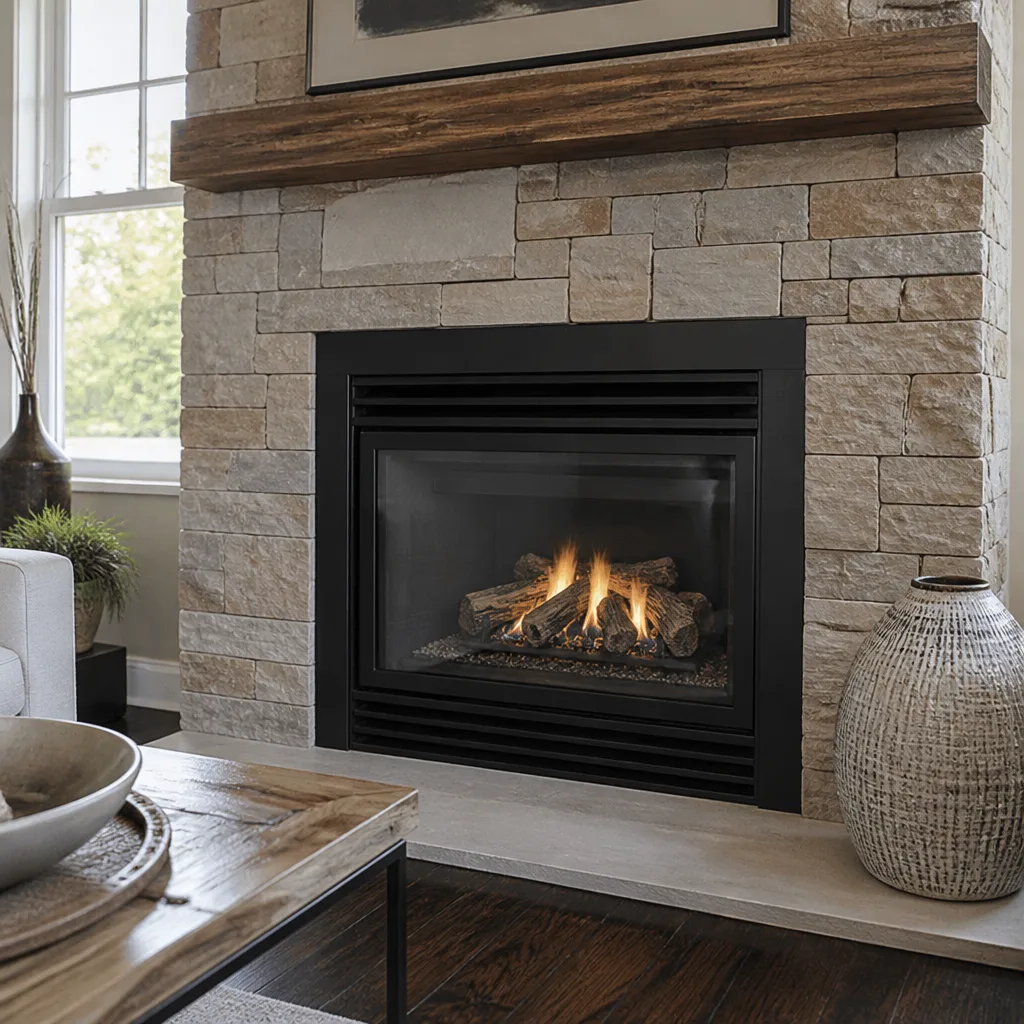 Gas fireplace service
Level 1 sweep and inspection to the NFPA 211 annual standard - flue, crown, cap, and flashing checked and photographed
Chimney sweep logs do not sweep chimneys. They loosen some creosote - which then falls where a brush and vacuum still have to collect it.
DIY vs Professional Chimney Cleaning: The Thornton Homeowner’s Decision Guide
An $80 brush kit can legitimately clean a flue that’s carrying light, dry soot. That part isn’t hype, and we won’t pretend otherwise. Here’s the catch: the same homeowner who runs that brush correctly will put the rods away not knowing whether the liner behind the soot has a crack that lets combustion gases into the living space. Cleaning and evaluating are two different jobs, and only one of them can be done from the firebox with a brush. This guide walks through what a Thornton homeowner can safely handle, what genuinely can’t be replicated at home, and how to tell which category your chimney falls into.
Quick Answer
DIY chimney cleaning makes sense only for a lightly used, dry-wood fireplace with light soot, no glazed creosote, and a recent professional inspection on record. In most Thornton homes, though, the brush removes the deposits while leaving the real questions unanswered: liner integrity, creosote stage, crown condition, and flashing. A professional sweep plus a documented camera inspection answers all four. If your chimney is heavily used, has had an oil or gas appliance vented through it, or hasn’t been professionally serviced in two or more years, DIY cleaning is not adequate regardless of how thorough you are.
Styles & brands we work with
- Sweep & inspection
- Caps & crowns
- Flue relining
- Masonry repair
- Gas fireplace service
Table of Contents
- The Real Divide Is Diagnostic, Not Just Dirty
- What a Homeowner Can Safely DIY
- What Requires Professional Equipment and Can’t Be Replicated
- What Professional-Grade Equipment Actually Does
- Liability and Insurance: The Honest Argument
- A Decision Framework for Thornton Chimneys
- Understanding Creosote Stages
- What Professional Cleaning Costs and What You Get
The Real Divide Is Diagnostic, Not Just Dirty
Most conversations about DIY vs professional cleaning frame the choice as cost versus safety. That framing is incomplete. The genuine distinction is diagnostic capability. A brush removes loose deposits. It does not evaluate the system that held those deposits.
Think about what a chimney actually is. It’s a flue liner, a smoke chamber, a damper assembly, a firebox, a crown, flashing, and a cap, all working as a single system. Soot is one visible byproduct of that system running. Cracks, spalling, gaps at joints, glazed creosote, and crown fractures are the conditions that actually cause fires and carbon monoxide problems. None of them are visible from a firebox floor with a flashlight and a brush.
In our experience working on Thornton chimneys, the failures that matter most often show up in exactly the places a homeowner can’t see. A hairline crack in a clay tile liner, a stage-2 creosote glaze on the smoke chamber walls, flashing that’s pulling away from the roof penetration. The chimney can look completely fine from the hearth and still be a genuine hazard above the damper.
We’re not saying DIY cleaning is worthless. We’re saying it addresses a narrow slice of the problem. The Thornton homeowner deciding between DIY and professional cleaning should be honest with themselves about what they’re actually trying to accomplish: removing soot, or knowing the system is safe. Those aren’t the same task, and they don’t require the same tools or the same training. A homeowner can absolutely accomplish the first. Only a technician with a camera and the training to read what it shows can accomplish the second. If you want the whole-system picture for your home, a professional chimney sweep includes the diagnostic element as part of the visit, not as an add-on.
What a Homeowner Can Safely DIY
There’s a short list of tasks that are genuinely appropriate for a careful homeowner and carry no meaningful risk when done correctly. These are visual and light-touch checks, not cleaning operations.
The tasks that are actually fine to do yourself:
- Visually inspect the firebox interior. Look for cracked firebrick, deteriorated mortar joints, or gaps between the firebrick and the surrounding masonry. A flashlight and a slow pass over every surface is enough. If you see damage, stop using the fireplace until a professional assesses it.
- Clear light debris from the firebox floor. Ash, small bits of fallen mortar, and soot from the immediate firebox floor can be swept and vacuumed with a shop vacuum. This is surface tidying, not flue cleaning.
- Check damper operation. Open and close the damper several times. It should move freely through its full range and sit flush when closed. A damper that sticks, opens partway, or doesn’t seal means combustion gases may not be venting properly, and it should be looked at by a technician.
- Confirm the cap is present and intact from the ground. Binoculars from the yard work. A missing or damaged cap lets water and animals in, and both cause expensive damage fast.
- Look for obvious external signs. Rust on the firebox, water stains on the ceiling near the chimney, or a strong smoky smell after the fire has died are all signals that professional eyes are needed.
Notice what’s not on this list: inserting a brush into the flue. For a homeowner with the right equipment, the right conditions, and a documented clean inspection on record, brushing a lightly used flue is technically possible. But unless all three of those conditions are genuinely met, the DIY brushing exercise does more to create a false sense of security than to protect the household. It’s the difference between tidying a room and inspecting its wiring.
What Requires Professional Equipment and Can’t Be Replicated
This is where the DIY conversation usually gets vague and unhelpful. Instead of “you’ll void your insurance,” we’ll just describe the specific evaluations that require equipment a homeowner doesn’t have and training they haven’t been through.
The evaluations that can’t be done at home:
- Video camera inspection of the flue. A camera on a flexible rod runs the length of the flue and shows tile joints, cracks, gaps in mortar, and the condition of the liner at the top where heat is most intense. No flashlight or phone camera substitutes for this. Liner cracks that let combustion gases into wall cavities are invisible from below, and this is the single most important safety evaluation a chimney can get.
- Smoke chamber evaluation. The smoke chamber sits between the damper and the flue and is shaped to compress smoke into the flue. Its corbelled walls collect creosote quickly, and the geometry is what makes it hard to sweep. A technician evaluates the smoke chamber surfaces and, where appropriate, recommends resurfacing with a system like HeatShield rather than trying to scrape it clean.
- Liner assessment. Beyond seeing the liner, judging whether it’s adequate for the appliance, properly sized, and code-compliant requires knowing the appliance’s venting needs. A camera shows condition; the assessment shows whether the liner should stay, get resurfaced, or be replaced with a system like DuraFlex.
- Creosote stage identification. This one deserves its own section, because it’s where DIY cleaning most often fails. Stage 1 creosote is flaky and dry. Stage 2 is sticky and tar-like. Stage 3 is a hardened, glazed, fuel-rich deposit. A brush removes only stage 1 without damage. Stage 2 requires chemicals or specialized rotary heads. Stage 3 cannot be swept off; it has to be chemically converted or the flue relined.
- Crown and flashing condition. The crown is the concrete cap at the top of the chimney, and the flashing is the metal seal where the chimney meets the roof. Both are the most weather-exposed parts of the system and both fail inside a few years if left. A five-minute look with binoculars isn’t enough; a technician on the roof can properly assess cracking, spalling, or lifted flashing.
None of this is about a homeowner being unskilled. It’s about equipment and training. A camera, a rotary head, a creosote-stage judgment, and a liner assessment are simply not in a homeowner’s toolbag. When those evaluations matter to your household, that’s the moment DIY cleaning needs to step aside.
What Professional-Grade Equipment Actually Does
The consumer brush kit is not a scaled-down version of what a professional uses. It’s a different tool with a different purpose. Understanding the gap helps a homeowner decide honestly whether the DIY route fits their situation.
Negative pressure systems
A professional sweep uses a high-CFM vacuum connected to the flue opening in a way that creates negative pressure in the chimney. Air stays moving up and out, not into the living room. Consumer kits rely on plastic sheeting and tape, which works reasonably well but lets fine dust escape into the room in a way that’s noticeable in an open-plan house. In Thornton homes where the fireplace sits in an open living area, negative pressure separation is the difference between “clean sweep” and “sweep, then dust for a week.”
Rotary cleaning heads
A rotary head spins on a flexible rod and does two things a hand brush can’t. It removes stubborn carbon deposits without damaging the liner, and it does so with controlled force that can be adjusted to the liner material. A wire brush on a hand rod, by contrast, is either too gentle on stage-2 creosote or aggressive enough to damage a clay tile liner if a homeowner pushes hard. The rotary setup is the right tool for anything beyond stage-1 soot.
Liner camera resolution
Consumer endoscope cameras are cheap now, but resolution at the small diameter needed to fit a flue is genuinely poor. A professional liner camera produces an image sharp enough to show a hairline crack, evaluate it, and photograph it for documentation. That last part is what matters most: the photographic record. When we run a Thornton Chimney Sweep Pros inspection, the picture set is what the homeowner keeps. It’s what a technician points at when explaining a recommendation, and it’s what an insurance adjuster wants to see.
Professional brand access
Equipment alone doesn’t fix a chimney; the repair product does. When our technicians identify a problem, they have access to product families built for restoration specifically. HeatShield resurfacing is engineered for in-place flue repair, not general masonry. DuraFlex flexible liner systems are engineered for relining damaged or undersized flues. Olympia Chimney and Copperfield supply components that meet the venting requirements of modern appliances. The point isn’t brand names for their own sake; it’s that the product options available to a technician are the ones designed for the job, and those options are what make a repair last.
Liability and Insurance: The Honest Argument
We’re not going to tell you that a DIY clean voids your homeowner’s policy, because in most cases it doesn’t categorically. What it does do is change what happens when a fire or carbon monoxide claim occurs.
When a chimney fire damages a home, the insurance investigation centers on two questions: was the chimney properly maintained, and can maintenance be documented? A professional sweep produces a record. It’s a dated inspection with photographs of the flue, the crown, the cap, and any problem areas, plus notes on what was observed and what was recommended. If a claim arises, that record answers both questions on the homeowner’s behalf.
A DIY clean leaves nothing comparable behind. There’s no third-party documentation of the chimney’s condition at the time of service, no photograph set to compare against the damage, and no professional opinion on what condition the chimney was in. The homeowner can describe what they did, but they can’t document what they saw. In the event of a contested claim, that’s a meaningful difference.
There’s also a code-and-standard dimension. Chimney maintenance standards in the trade are written to a professional sweep’s scope of work: brush the flue, remove deposits, inspect components, document findings. The standard assumes the inspection is part of the sweep. A homeowner who brushes the flue but skips the inspection has done a partial version of what the industry actually considers a sweep.
And then there’s the harder insurance argument that homeowners rarely hear: if a professional inspection reveals a problem, acting on it protects the coverage. If an inspection reveals a cracked liner, the insurer expects the homeowner to address it before the next heating season. Skipping the inspection doesn’t skip the requirement; it just means the homeowner finds out about the problem after the claim has already occurred. A chimney inspection documents exactly what your chimney needs, nothing more, and it gives you the information to make a repair decision before the situation becomes a claim.
A Decision Framework for Thornton Chimneys
Here’s the practical test. Answer five questions honestly, and the DIY-versus-professional call usually becomes clear.
Step 1: When was the chimney last professionally inspected? If it’s been more than two years, or if you don’t know, the answer to the DIY question is no. You can’t evaluate what you can’t see, and a professional inspection establishes the baseline before anything else happens. Even heavy DIY burners should reset the clock with a proper inspection.
Step 2: How heavily is the fireplace used? A few fires per month on dry, well-seasoned wood builds creosote slowly. A fireplace used several times a week through winter builds it fast. The heavier the use, the faster the gap between “clean it” and “sweep it” closes. In our experience, the heaviest-use households in Thornton are the ones where DIY cleaning most reliably falls short.
Step 3: What does the deposit look like? Take a flashlight up to the damper and look at the flue walls from below. Flaky, dry, gray-black soot is stage 1. Sticky, shiny, or tarry black is stage 2. Hard, glassy, bubbled black is stage 3. If you see anything beyond stage 1, professional equipment is required and DIY brushing is more likely to make things worse than better.
Step 4: Has the chimney ever vented anything other than wood? If an oil furnace or gas appliance has ever vented through this chimney, its liner and its deposits are different from a wood-only chimney. Oil leaves an acidic, sooty deposit that is difficult to sweep. Gas venting produces condensation that damages masonry. Both are professional-evaluation situations, not DIY-cleaning situations.
Step 5: Does this chimney have a documented inspection on record? Without one, a homeowner is making a decision without information. With one, the DIY case rests on the inspection finding. If the inspection found stage-1 deposits, an intact liner, and a sound crown, DIY cleaning is genuinely reasonable. If the inspection flagged anything else, listen to it.
Five questions, one honest answer each. The framework isn’t a marketing tool; it’s what a technician uses to tell a homeowner “yes, you can handle this for now” or “no, this one needs the full treatment.” Both answers are legitimate. Only one of them protects the household when the chimney is not actually safe to clean at home.
Understanding Creosote Stages
Creosote is the residue of incomplete combustion, and it comes in three stages with very different behavior. Everything about whether DIY cleaning makes sense depends on which stage your chimney has.
Stage 1 – soot and flaky residue. This is the deposit left by a chimney burning dry, well-seasoned wood with adequate draft. It’s flaky, gray-brown to black, and a standard chimney brush removes it cleanly. This is the deposit a DIY brush kit is designed for, and it’s the deposit a well-maintained chimney should normally have.
Stage 2 – sticky, tarry creosote. This forms when wood is burned wet, when the fire is regularly kept at a low smolder, or when the chimney runs cool. It’s tar-like, stickier, and a hand brush smears it rather than removing it. Professional rotary heads and specific chemical treatments are the standard way to remove stage 2 deposits. A homeowner with a hand brush trying to attack stage 2 is likely to redistribute it and damage the liner surface in the process.
Stage 3 – glazed, hardened creosote. This is the deposit that has cooked itself onto the flue walls and hardened into a glazed, fuel-rich layer. It cannot be brushed off; it has to be chemically converted or, in the worst cases, the entire flue needs to be relined. Stage 3 is the fire-hazard stage, because a spark that contacts glazed creosote can ignite the entire deposit.
How does a homeowner tell which stage they have? From the firebox, you can sometimes see stage 2 or stage 3 deposits where the flue meets the damper, because they’re distinctive. You can’t reliably assess the upper flue, the smoke chamber, or the top of the liner from the firebox. That’s the diagnostic gap again, and it’s why a professional sweep is not a replacement for a brush; it’s a way to know what you’re brushing. If you don’t know what stage your deposits are, you don’t yet know whether DIY cleaning is appropriate for your chimney.
What Professional Cleaning Costs and What You Get
The real cost comparison isn’t “brush kit price vs. sweep price.” It’s “brush kit price vs. sweep price, plus the cost of the inspection you’ll eventually need, plus the cost of the repair you’ll eventually discover on the later timeline.” Framed that way, DIY cleaning usually wins only when the chimney is genuinely in good condition, which is what the inspection establishes.
What a professional sweep includes, typically:
- A full flue cleaning with professional equipment, including negative pressure separation
- A visual inspection of the firebox, damper, smoke chamber, and accessible flue
- A video camera inspection of the flue for liner integrity and creosote assessment
- A photograph set documenting condition, findings, and any areas of concern
- A written summary of findings and any recommended repairs, with reasoning
The written estimate sets the final price, per job, based on what the sweep actually finds. A cleaning on a lightly soiled chimney is one scope of work; a cleaning on a heavily loaded stage-2 or stage-3 flue that also requires liner assessment is another. That’s true of every professional service and worth stating clearly so a homeowner isn’t surprised by variance.
A brush kit at $80 is the cheaper line item. The question worth asking honestly is whether the chimney it’s applied to is one where the cheapest tool is also the right one. Only an inspection answers that.
Common Mistakes to Avoid
- Cleaning the flue without inspecting it first. If you don’t know the liner’s condition, you don’t know whether running a brush is safe for the flue. A cracked tile can spread under the brush, and the deposit you’re removing may be the only visual indicator of a bigger problem.
- Confusing a clean flue with a safe chimney. A flue with no visible soot can still have a cracked liner, failed flashing, or a crumbling crown. Cleaning addresses visible deposits; it doesn’t address structural or sealing condition. Those are separate evaluations.
- Ignoring creosote stage. Brushing stage-2 or stage-3 creosote is not effective and can damage the liner. Always identify the deposit stage before deciding to brush.
- Burning wet or unseasoned wood to “clean out” the chimney. This is a common misconception, and it makes creosote deposits worse. Wet wood produces more creosote, not less. Seasoned wood, burned hot, is what keeps deposits in stage 1.
- Skipping the smoke chamber. The smoke chamber sits between the firebox and the flue and collects deposits on corbelled surfaces. If you just brush the upper flue, the smoke chamber remains loaded, and that’s where chimney fires often start.
- Assuming a cap is fine because you can’t see it from the ground well. In Thornton’s Front Range climate, the freeze-thaw cycle is hard on caps, crowns, and flashing. A cap that looks present at first glance may be cracked, loose, or improperly sized, which lets water in and small animals nest.
- Cleaning the flue without knowing the appliance’s venting requirements. A chimney that once vented an oil furnace or gas appliance needs an assessment for the appliance’s venting standard, not just a cleaning. Cleaning it without that context can leave a code problem in place.
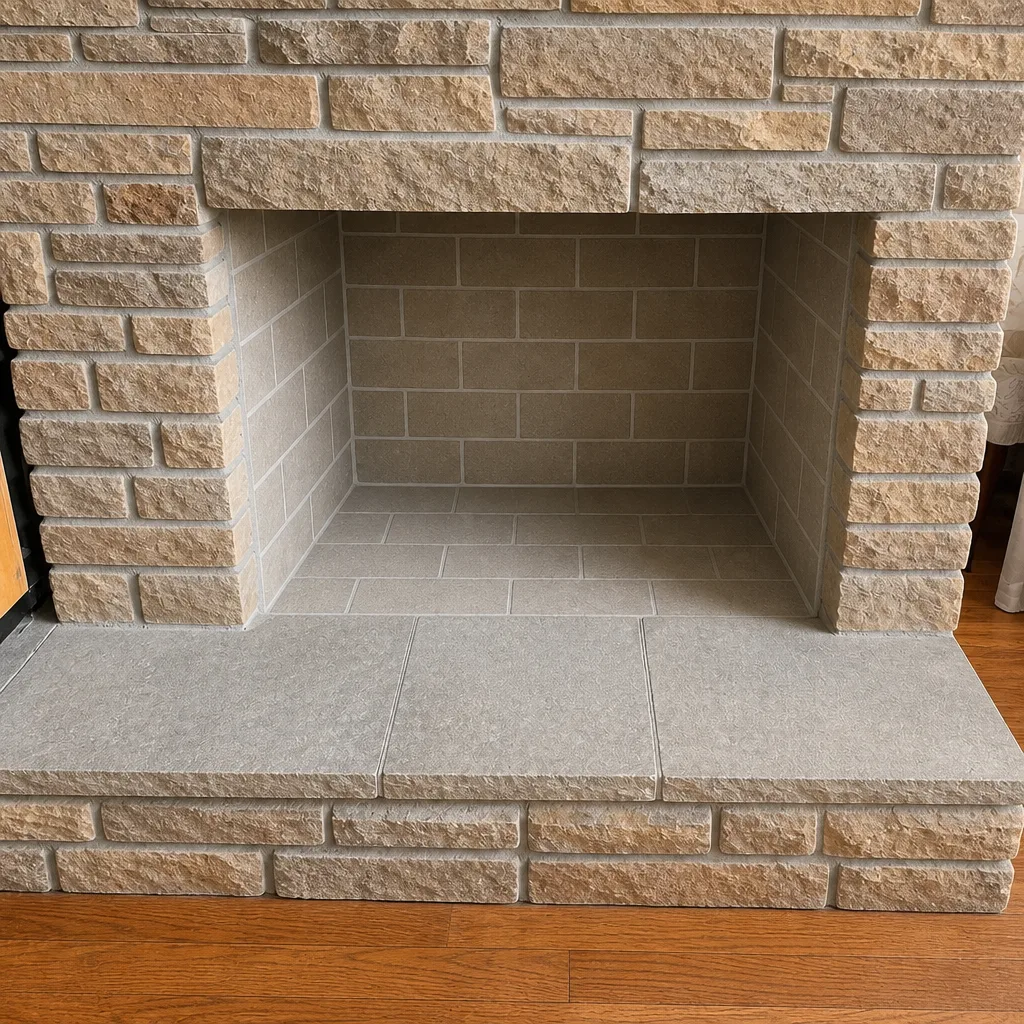
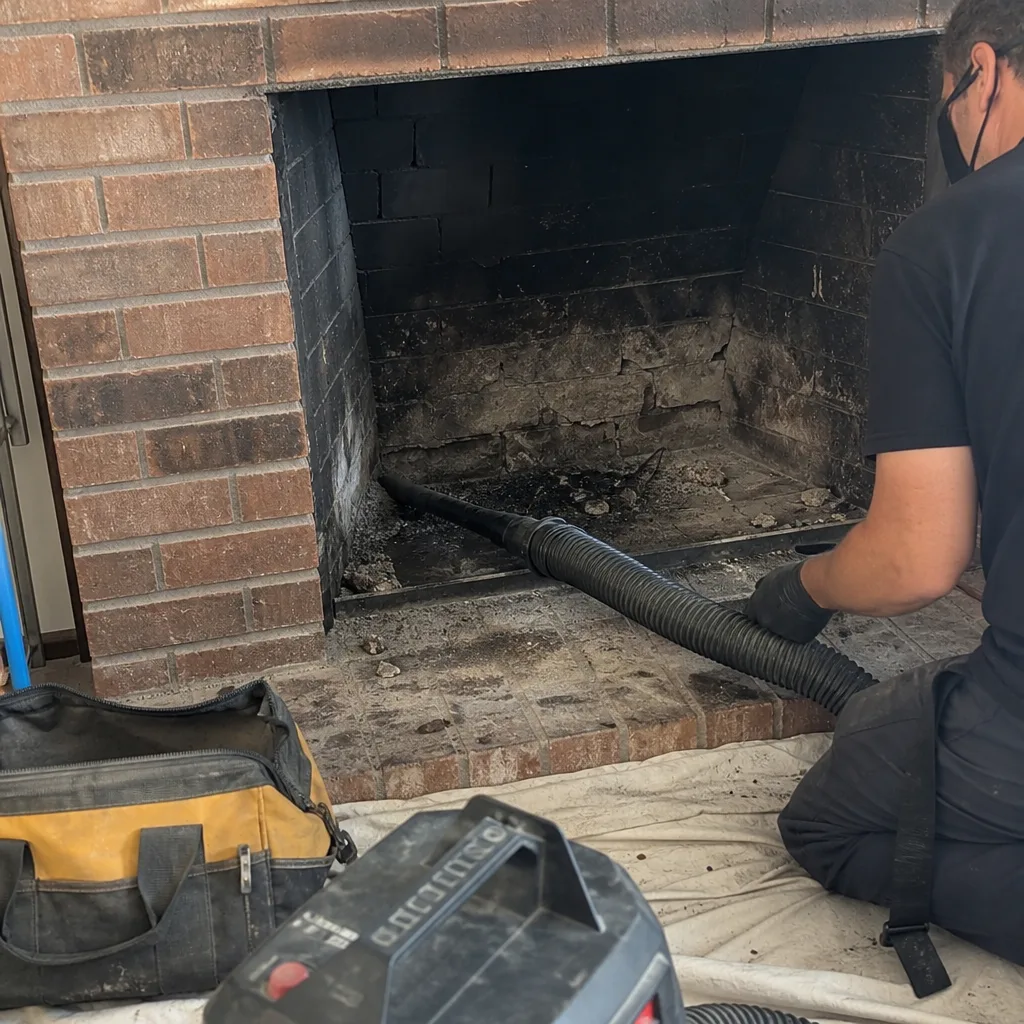
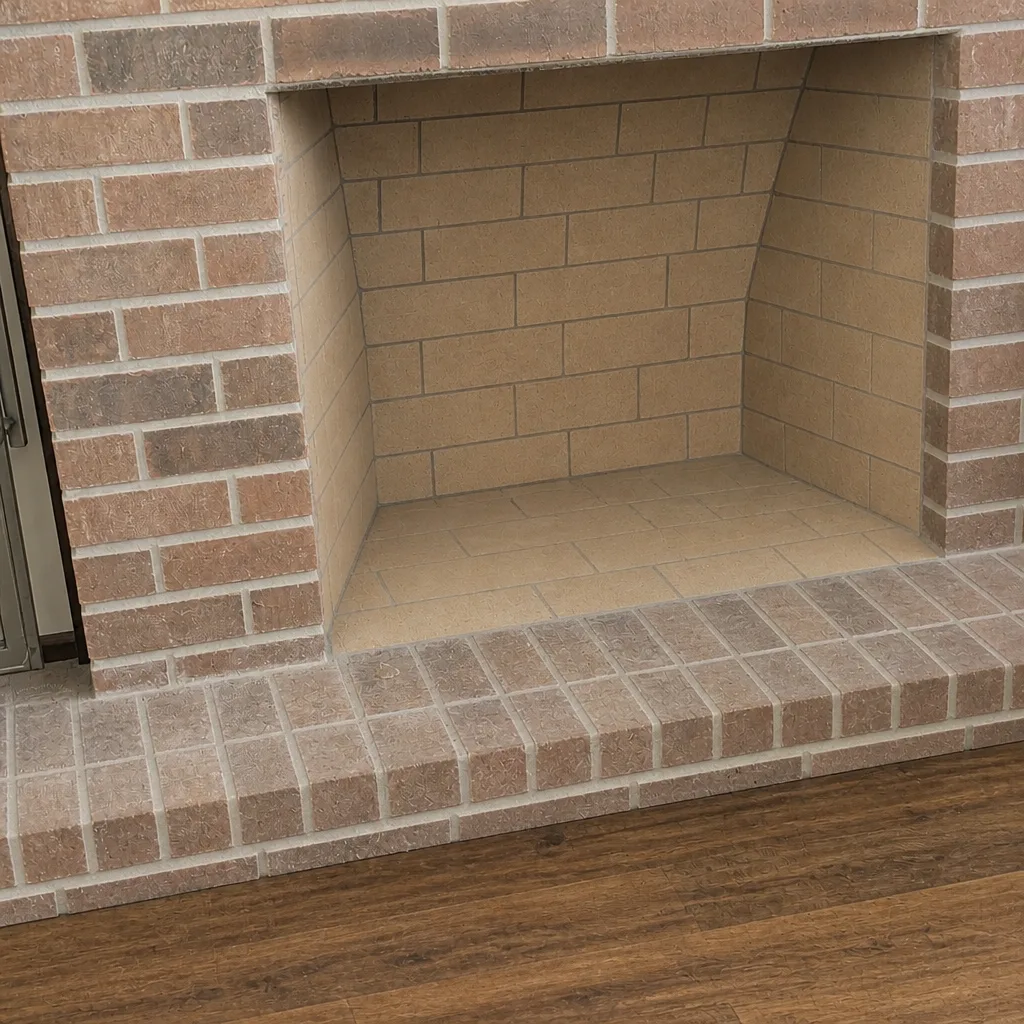
See the difference
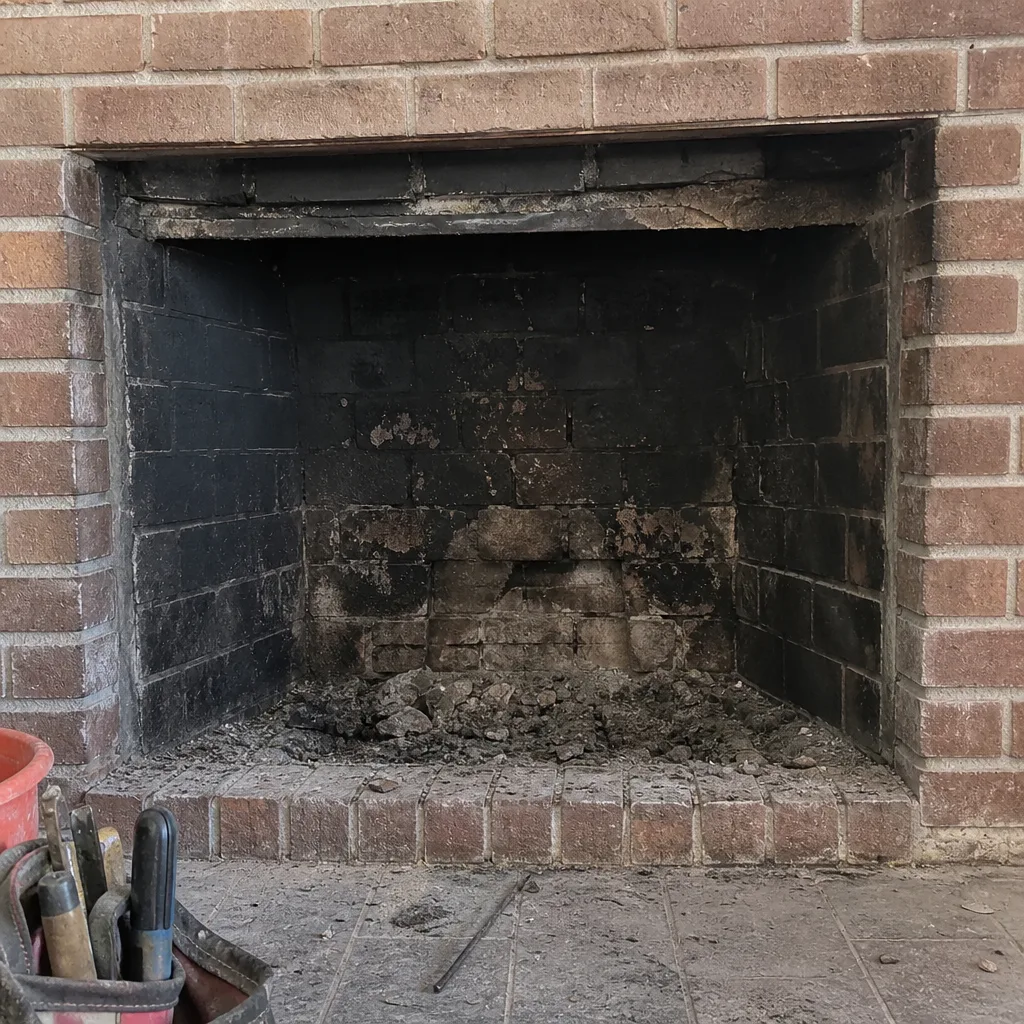 Before
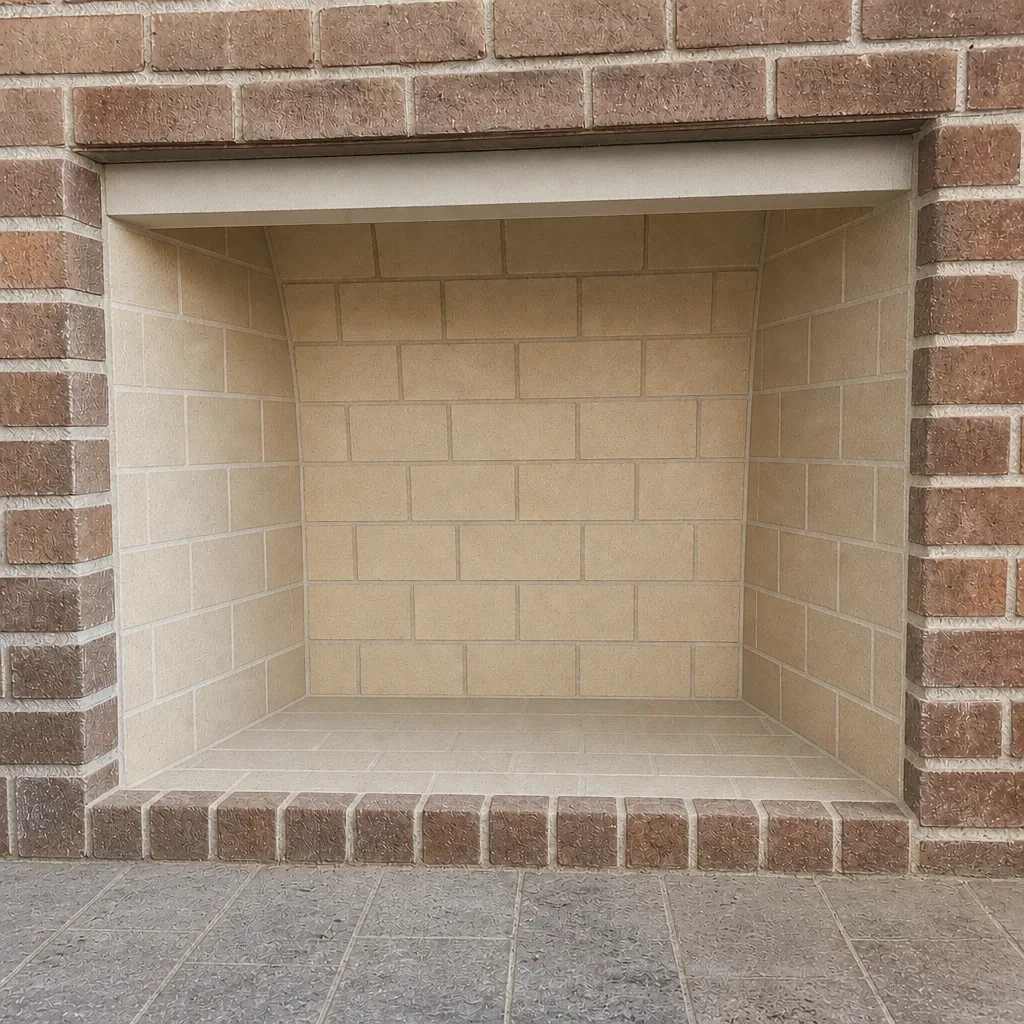 After
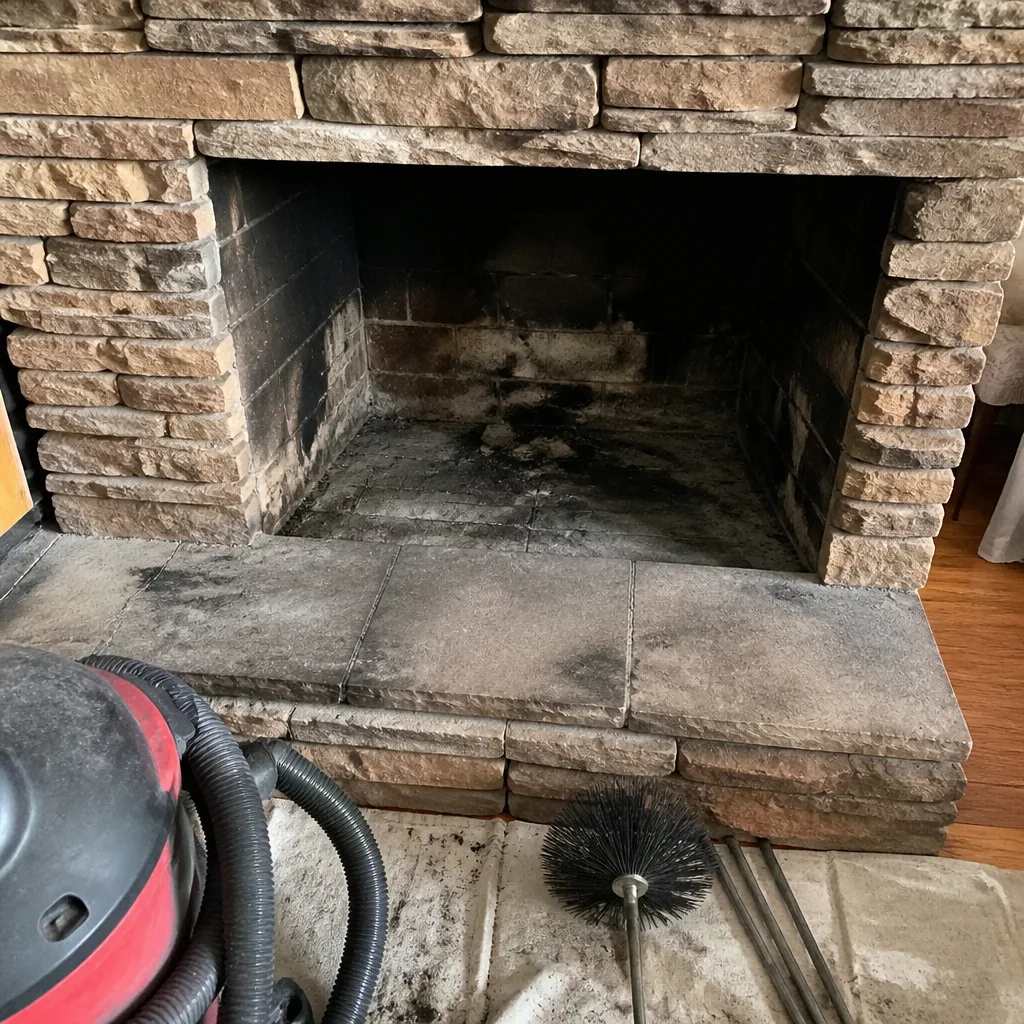 Before
 After
 Before
 After
When to Call a Professional
Some situations don’t have a DIY path. Call a professional if: you haven’t had the chimney inspected in two or more years; the last inspection flagged any finding you didn’t address; you see anything beyond stage-1 creosote on the flue walls; an oil furnace or gas appliance has ever vented through the chimney; the fireplace is your primary heat source through winter; a fire has occurred in the chimney (even a small one); you’re buying or selling a home; you’ve seen water stains, rust, or a smoky smell; or the crown or flashing is anything other than visibly sound. Each of these is a diagnostic situation, not a cleaning situation. For chimney repair of any liner, crown, or flashing problem, the same applies: it needs a camera-verified diagnosis before any recommendation is trustworthy.
Thornton Chimney Sweep Pros offers free estimates in Thornton. Call (866) 937-7966. We answer 24/7. Fast dispatch from 7am to 7pm, Sunday through Friday.
Frequently Asked Questions
The price is set per job by the written estimate, based on what the sweep finds. A lightly soiled chimney with a documented inspection is one scope of work; a heavily loaded flue that also needs a liner assessment or repair is another. Because a sweep includes camera inspection and a photo report, the estimate you receive reflects what the chimney actually needs, not a fixed package. Call (866) 937-7966 for an exact quote – estimates are free.
You can clean a lightly used chimney with stage-1 deposits and a recent professional inspection on record. You cannot evaluate liner integrity, smoke chamber condition, or creosote stage from the firebox, and those are the evaluations that actually determine whether your chimney is safe. In our experience, most Thornton households with a fireplace in regular use don’t meet the “DIY-safe” test once the last inspection is more than two years old. Call (866) 937-7966 for an exact quote – estimates are free.
Only if the liner is actually damaged, inadequate for the appliance, or physically deteriorated. You don’t have to take a technician’s word for it. A professional inspection shows the liner on camera and produces a photograph set documenting the condition, so a recommendation to reline is backed by a picture you can look at. Nothing is recommended without camera evidence a homeowner can see. If the liner is sound, the honest answer is “no.” Call (866) 937-7966 for an exact quote – estimates are free.
Chimneys should be swept and inspected whenever deposits reach about an eighth of an inch on the flue walls, or once per year during regular use, whichever comes first. In practice, many Thornton homeowners land on an annual sweep because Front Range winters encourage heavy fireplace use and the freeze-thaw cycle is hard on exterior components. A chimney that hasn’t been serviced in two years should be swept and inspected regardless of visual appearance. Call (866) 937-7966 for an exact quote – estimates are free.
Deposits accumulate, and the risk shifts from soot (annoying) to creosote stage 2 and 3 (the fire hazard stage) to structural water damage from a failed crown or flashing. A cracked liner can allow carbon monoxide into the living space without any visible sign in the firebox. None of this is guaranteed to happen to any specific chimney, but the risk rises the longer a chimney goes without inspection. Getting on a proper schedule is the protection. Call (866) 937-7966 for an exact quote – estimates are free.
For fireplace issues, a full-service sweep can typically handle the work. Fireplace repairs, chimney repairs, cap and crown installation, and liner work are all part of a complete chimney service. Fragmented repairs, where one contractor sweeps and another handles the crown, tend to leave gaps in responsibility and in documentation. A single specialist for the full chimney is what protects the record of what was done. If you’re looking at fireplace work, fireplace repair can be scoped as part of the same visit. Call (866) 937-7966 for an exact quote – estimates are free.
The Bottom Line
The DIY chimney cleaning question is not really cost vs. safety. It’s whether you know what you’re cleaning. A homeowner can brush a lightly used flue with light, dry soot and legitimately call the job done. But the same homeowner who does it correctly walks away not knowing whether the liner has a crack, whether the crown is failing, or whether the deposit on the smoke chamber is stage 2 creosote. Those are the conditions that actually matter, and they can only be evaluated with equipment and training a homeowner doesn’t have. If your last professional inspection is recent, the household is a light burner, and the flue is stage 1, DIY cleaning is fine. Otherwise, the honest move is to get the system evaluated before you decide. Our technicians have up to 12 years of experience, and we work with professional brands including DuraFlex, Olympia Chimney, and Copperfield to make sure any repair path is built for the job.
Call (866) 937-7966 for a free estimate. We answer 24/7. Fast dispatch from 7am to 7pm, Sunday through Friday.
Written by the team at Thornton Chimney Sweep Pros.