
Last updated November 23, 2026
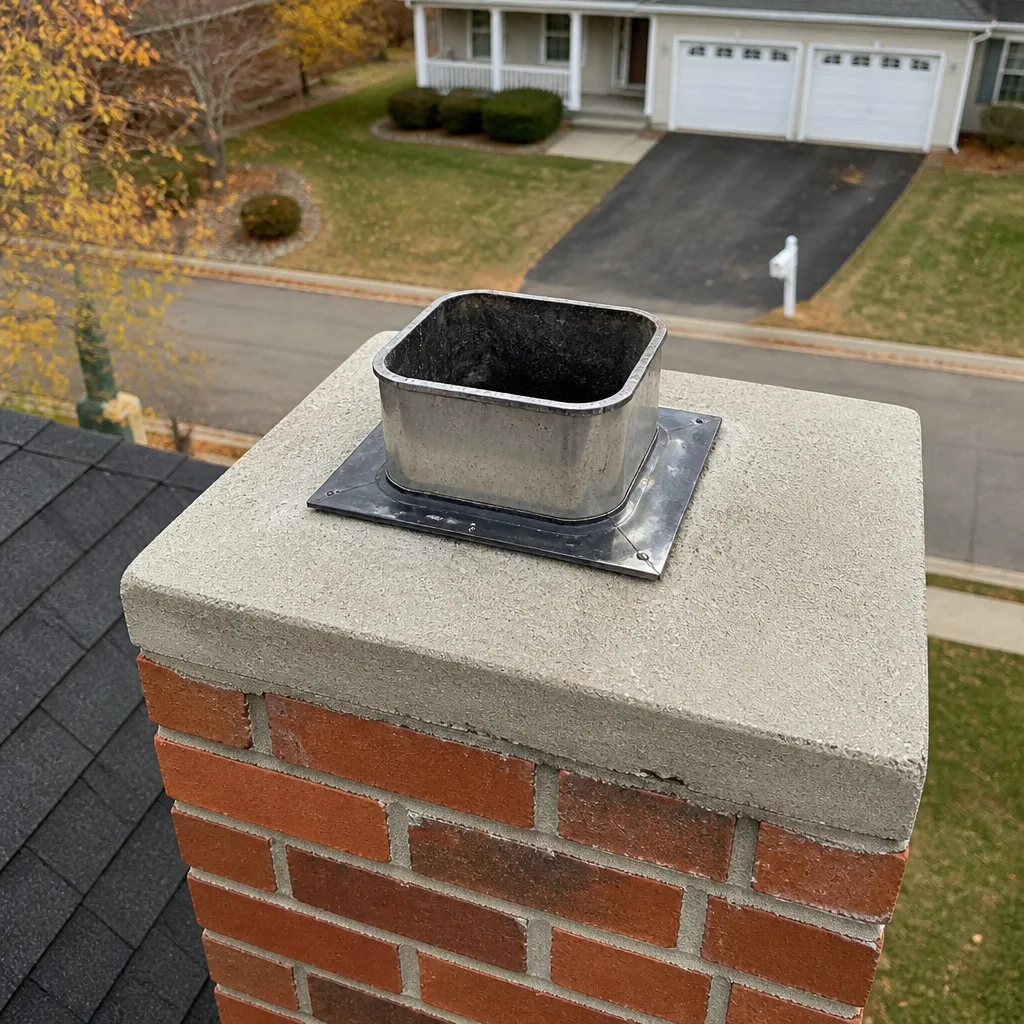 Sweep & inspection
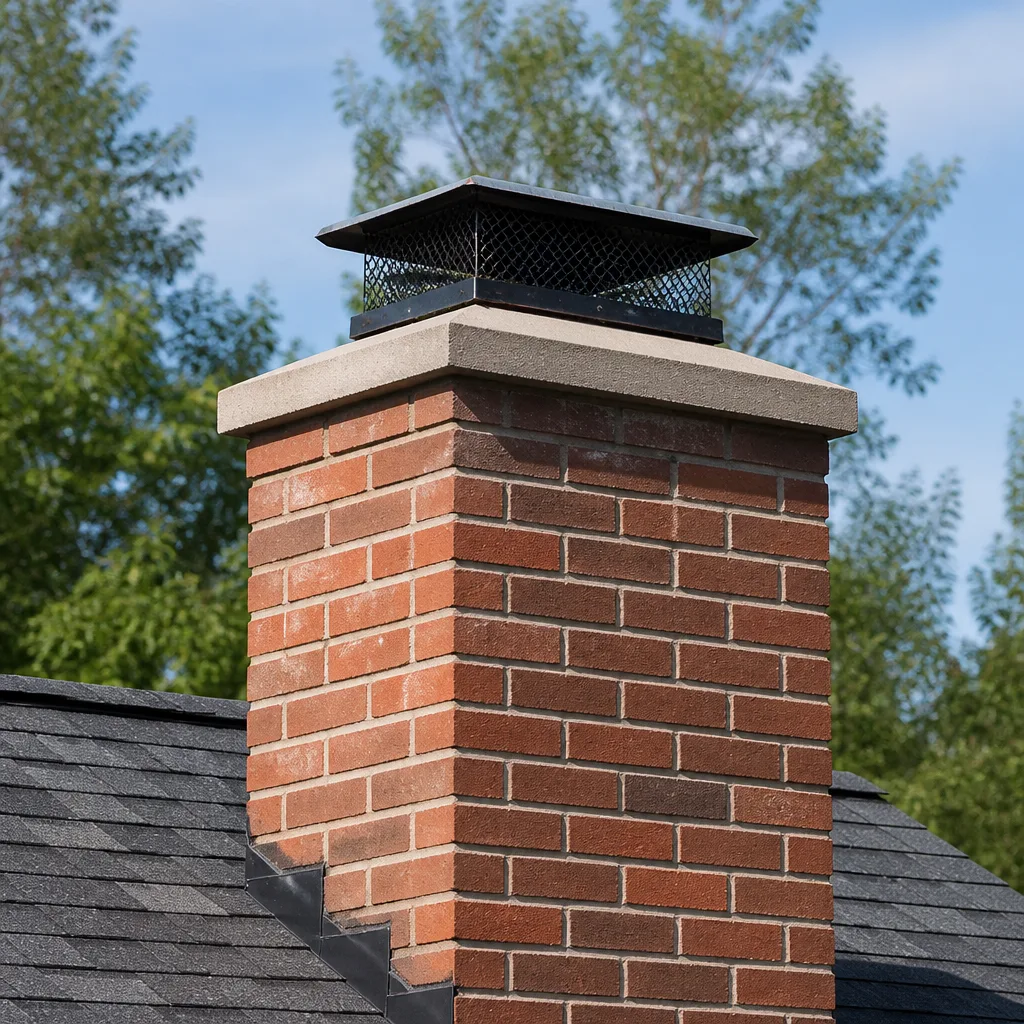 Caps & crowns
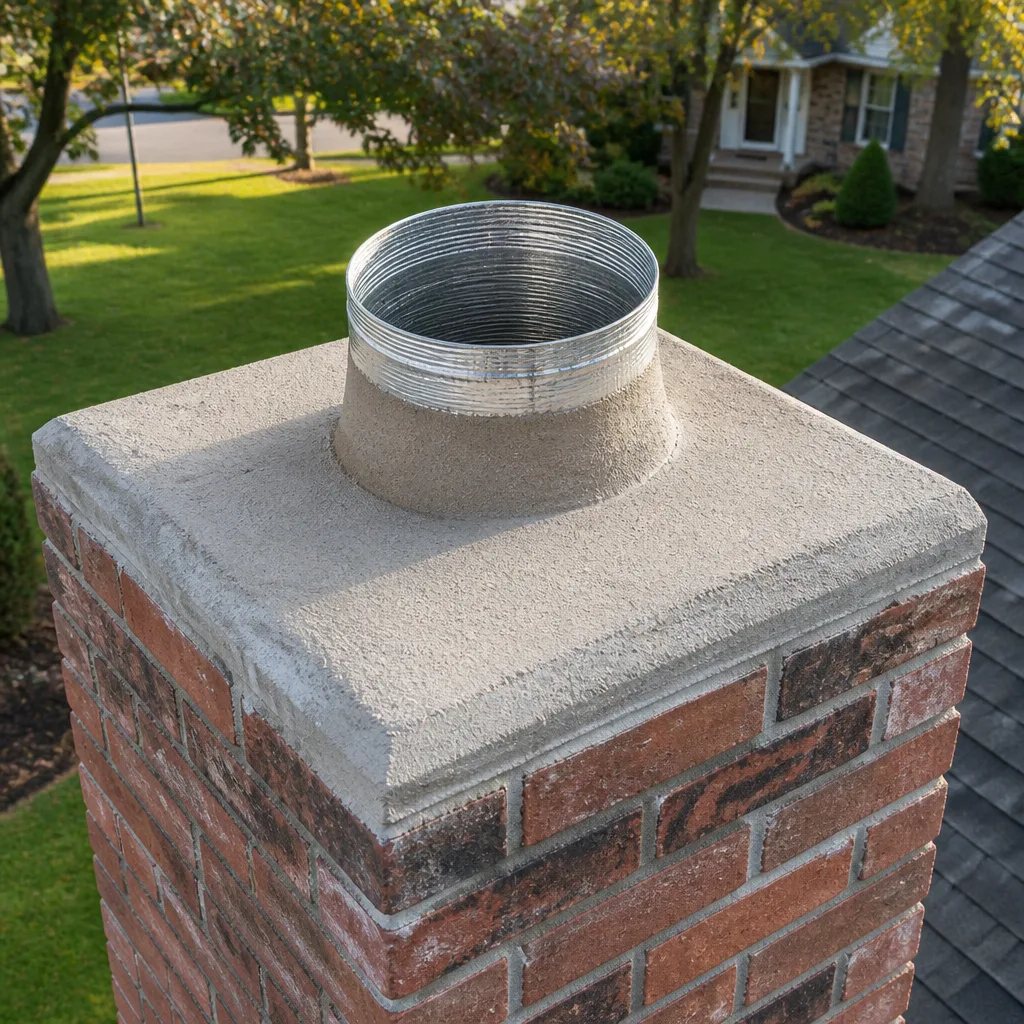 Flue relining
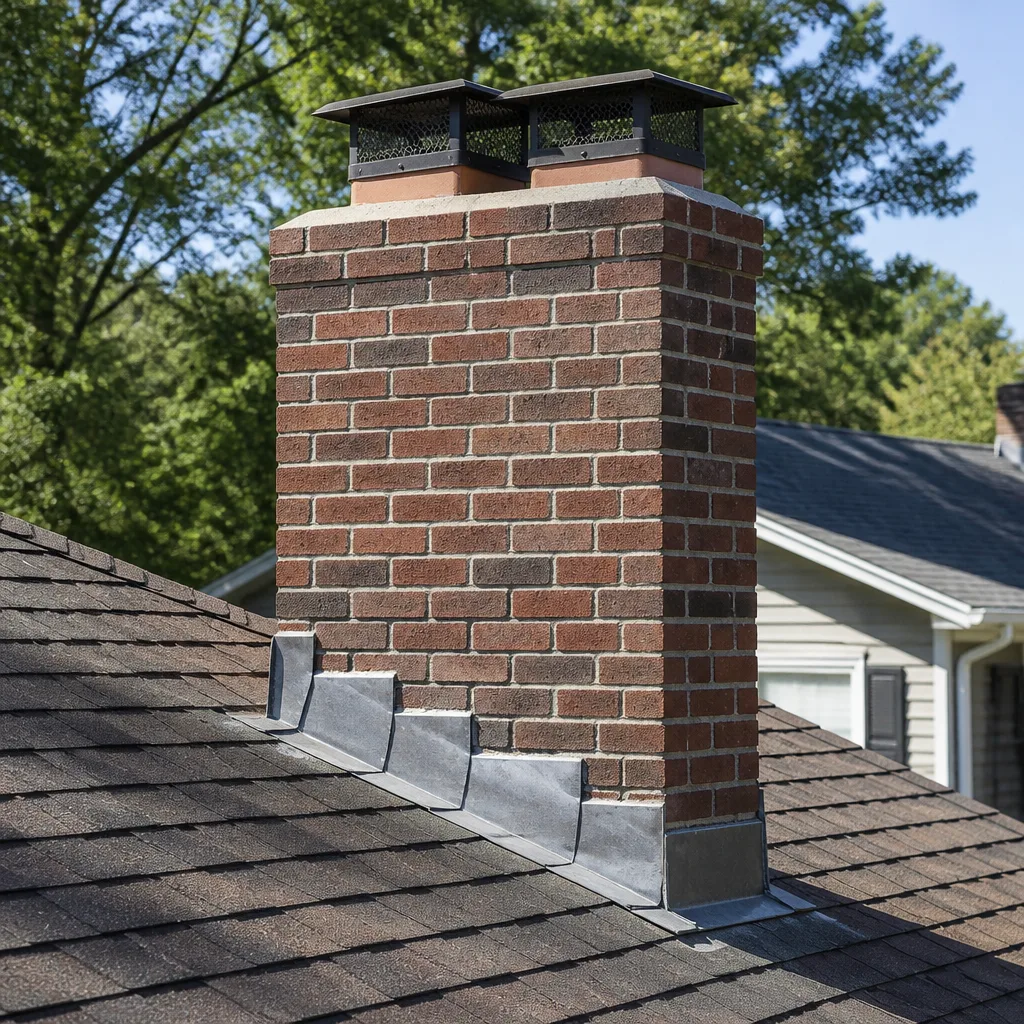 Masonry repair
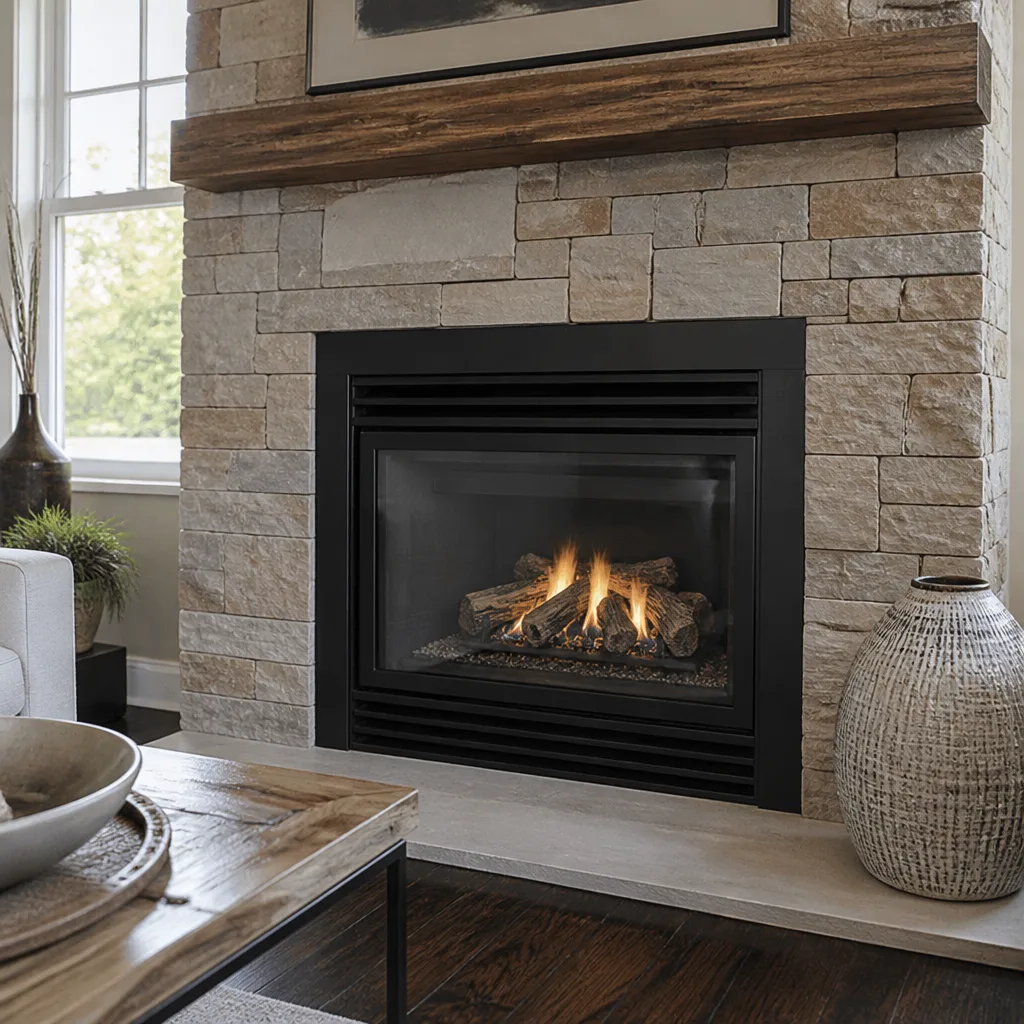 Gas fireplace service
Level 1 sweep and inspection to the NFPA 211 annual standard - flue, crown, cap, and flashing checked and photographed
Chimney sweep logs do not sweep chimneys. They loosen some creosote - which then falls where a brush and vacuum still have to collect it.
The Complete Guide to Chimney Cleaning in Thornton
Most chimney cleaning advice you’ll find online was written for a house at sea level. Thornton sits at 5,351 feet, and that changes the physics of a fire. Wood burns differently up here. Creosote deposits differently. And a neglected flue turns dangerous faster than the generic guides admit. Cleaning a chimney in Thornton isn’t a quick brush-and-go errand. It’s a diagnostic process, and the flue is only one part of a system that includes the firebox, the smoke chamber, the damper, the liner, the flashing, the crown, and the cap. Read this guide and you’ll know what a real cleaning involves, why a Colorado winter demands more than a surface sweep, and how to tell a thorough job from a rushed one.
Quick Answer
Chimney cleaning in Thornton means removing creosote, soot, and blockages from the flue and smoke chamber, then inspecting the full chimney system for damage – and at this elevation, the deposits build faster and the freeze-thaw damage is harder, so annual cleaning paired with a Level 2 inspection is the baseline. A proper job covers the firebox to the crown, not just the flue, and ends with documented findings you can see for yourself. Cleaning is not the same as inspection; you need both.
Styles & brands we work with
- Sweep & inspection
- Caps & crowns
- Flue relining
- Masonry repair
- Gas fireplace service
Table of Contents
- Why Thornton’s Altitude Changes How Your Chimney Ages
- Creosote at Elevation: What Forms and Why It Matters
- Visual Sweep vs. Camera Inspection vs. Full System Evaluation
- Front Range Wind Reversals and Hidden Deposits
- What a Full-System Specialist Checks That a Single-Service Crew Skips
- How a Professional Cleaning Actually Works, Step by Step
- What Chimney Cleaning Costs in Thornton
- How Often Should a Thornton Chimney Be Cleaned?
Why Thornton’s Altitude Changes How Your Chimney Ages
At 5,351 feet, the air is thinner and holds less oxygen per breath – and per unit of combustion air feeding your fire. A fireplace that drafts easily in a low-elevation home can struggle in Thornton, because the fire pulls less oxygen and the chimney’s draft pressure is weaker. Thinner air also means a fire that smolders rather than burns hot and clean. Smoldering fires are the ones that coat a flue. That’s the core of it: weaker draft plus cooler flue gases equals more condensation on the flue walls, and condensation is where creosote starts.
Then there’s the freeze-thaw cycle. Front Range winters swing hard between freezing nights and mild days, and masonry expands and contracts with each swing. Water that gets into a mortar joint or a hairline crack in the crown freezes, expands, and widens that crack. Repeat that a few hundred times over a winter and small flaws become real ones. A chimney that looks sound in October can be shedding mortar by March. This is why we treat a post-winter evaluation as routine in Thornton, not as an upsell.
The practical takeaway for Thornton homeowners:
- Expect creosote to accumulate faster than a sea-level homeowner’s guide suggests, because cooler, slower fires deposit more.
- Watch the crown and flashing closely – they take the freeze-thaw beating first.
- Don’t assume a clear draft in fall means a clear flue in spring.
- Book cleaning and inspection together; separating them means paying twice and missing the connection between deposit and damage.
Creosote at Elevation: What Forms and Why It Matters
Creosote is the tar-like residue left when wood smoke cools on its way up the flue. It forms in three recognizable stages, and the stage matters because each one behaves differently and demands a different remedy.
- Stage 1 – soot and light fluff. A thin, dusty coating. This is what a routine sweep removes easily. It’s the least dangerous stage and the easiest to stay ahead of with regular cleaning.
- Stage 2 – hardened, crusty deposits. This is where altitude starts to bite. Cooler flue gases and weaker draft cause more condensation, and Stage 2 creosote hardens onto the flue walls. A standard brush won’t lift it cleanly, and it’s the stage most associated with chimney fire risk. In our experience across the Front Range, Stage 2 shows up sooner in Thornton homes than the generic annual-cleaning advice accounts for.
- Stage 3 – glazed, tar-like coating. A shiny, hardened shell that’s essentially fuel stuck to your flue. This stage requires mechanical removal and often signals that the liner itself needs evaluation.
The fuel you burn influences which stage you reach. Seasoned, dry wood burns hot and deposits less. Green or damp wood – common when homeowners stock up hastily before the cold sets in – smolders, cools the flue gases, and accelerates Stage 2 formation. Burn dry wood, keep the fire hot enough to draft well, and you’ll slow the buildup. But you won’t eliminate it, and you can’t see it from the firebox. That’s what the inspection is for. A chimney sweep removes what’s there; the inspection tells you which stage you were at and whether the liner is still sound.
One more thing worth saying plainly: a chimney fire doesn’t always announce itself with a roar. A slow, hot burn inside a creosote-coated flue can smolder quietly. The danger is real, and it’s the reason cleaning isn’t cosmetic.
Visual Sweep vs. Camera Inspection vs. Full System Evaluation
Homeowners often use “cleaning” and “inspection” interchangeably. They’re not the same, and the difference determines what you actually know about your chimney afterward. Here’s the honest breakdown.
- Visual sweep. The technician brushes the flue and removes soot and loose creosote, then looks up the flue from below and down from the top with a flashlight. Good for routine maintenance on a chimney with no history of problems. It can’t see around flue offsets or past heavy deposits.
- Camera inspection (Level 2). A camera travels the length of the flue and documents the interior – cracks, gaps in the liner, offset joints, hidden deposits. We consider this the baseline standard after any Colorado winter, because freeze-thaw damage hides in places a flashlight can’t reach. It’s also what insurers, real estate transactions, and repair planning usually call for.
- Full system evaluation. Camera inspection plus the exterior and accessible components: crown, cap, flashing, mortar joints, smoke chamber, damper, and firebox. This is the only level that tells you whether the chimney is safe as a whole system, not just whether the flue is clear.
A Level 2 camera inspection isn’t an upgrade you pay extra for because the technician wants the sale. It’s how a professional answers the question “is this chimney safe to use” with evidence rather than a guess. When we recommend anything – a reline, resurfacing, a new crown – the camera footage and photos come with it, and you can see the problem yourself. That matters. It’s the difference between a documented recommendation and an unverifiable one, and it’s why a certified inspection documents exactly what your chimney needs, nothing more.
Front Range Wind Reversals and Hidden Deposits
Anyone who’s lived through a Front Range wind event knows the feeling: the fire won’t draw, smoke curls back into the room, and the whole house smells like a campfire. That’s a downdraft – wind pressure overcoming the chimney’s upward draft and pushing air back down the flue. Thornton sits squarely in that wind corridor, and downdrafts do more than inconvenience you.
Every reversal pushes smoke and unburned creosote particles back into the firebox and against the flue walls on the way back down. Over a season, that creates deposits in places a straightforward upward sweep might not reach – around the smoke shelf, on the smoke chamber’s angled walls, and low in the firebox where the draft is weakest. A crew that brushes the flue and leaves can honestly report a clean flue while the smoke chamber above it stays coated. That’s the hidden deposits problem, and it’s why the smoke chamber has to be part of the job.
Wind also finds the weak points outside. A loose or missing cap lets wind-driven rain and debris straight into the flue. Flashing that’s separated from the masonry gives wind a way to drive water sideways into the chimney chase. And in a reversal, the cap is what keeps the downdraft’s debris out. It’s a small component doing real work.
What we look at after a windy Thornton season:
- The smoke chamber and smoke shelf for deposits a flue brush won’t touch.
- The cap – intact, screened, and properly sized.
- Flashing and its seal against the roof and masonry.
- Downdraft symptoms: soot staining near the damper, smoke escaping into the room, a fire that’s hard to light on gusty days.
What a Full-System Specialist Checks That a Single-Service Crew Skips
A sweep-and-go crew cleans the flue and leaves. A full-system specialist treats the chimney as a connected structure from the firebox to the crown, because a failure at one end causes problems at the other. Here’s the difference in what gets checked.
The crown. The concrete cap on top of the chimney, not the metal spark arrestor. A cracked crown lets water in. Water destroys mortar. Mortar failure becomes a rebuild. It’s a short, expensive chain, and it starts with a hairline crack that a visual sweep never looks for. We stop it at the crown when we can.
The cap. The screened cover that keeps rain, birds, and debris out of the flue. A missing or damaged cap is one of the most common causes of water intrusion and blockages.
Flashing. The metal that seals the chimney to the roof. Failed flashing is a roofer’s problem with a chimney’s cause, and it shows up as water staining on ceilings near the chimney chase.
The liner. The flue’s protective interior. Cracks, gaps, and missing sections mean combustion gases can reach the chimney’s structure – a carbon monoxide concern, not just a structural one. When a liner is damaged or undersized, we install DuraFlex flexible liner systems, engineered specifically for relining.
The smoke chamber and smoke shelf. The transition zone that traps deposits from downdrafts. Rarely cleaned by a flue-only sweep.
The firebox and damper. Cracks in the firebox brick, a damper that won’t seal, and mortar that’s given way. Fireplace repair is part of the same system, and we handle fireplace repair alongside the flue.
When masonry or a liner needs restoration, we work with HeatShield resurfacing for in-place liner repair and products from professional chimney brands like Olympia Chimney and Famco – the kind of materials a full-system specialist needs to address each failure correctly. If the structural side of the chimney needs work beyond cleaning, that’s chimney repair, and it belongs in the same visit as the inspection that found it.
How a Professional Cleaning Actually Works, Step by Step
A thorough cleaning follows a sequence that protects your home and produces real information. Here’s what a proper job in Thornton involves.
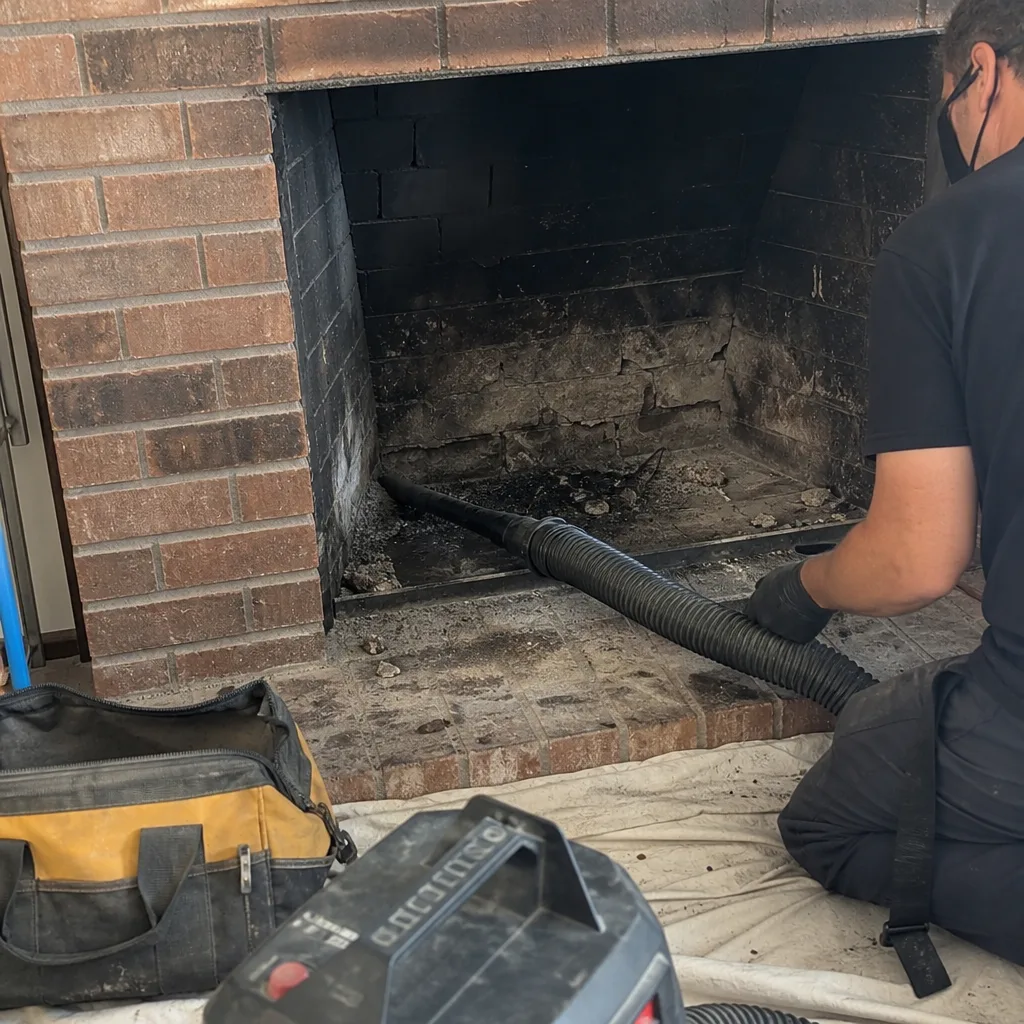
- Protect the space. Drop cloths and a work area sealed around the firebox keep soot out of your living room. No shortcuts here – a crew that skips containment leaves a mess you’ll find later.
- Inspect before cleaning. The technician checks the firebox, damper, and flue from below and above, and documents the condition before anything is brushed. Cleaning without a look first can hide problems.
- Clear the flue. Brushes sized to the flue remove soot and creosote, with a vacuum running to capture the dust. The stage of creosote determines the tools – Stage 2 and 3 need mechanical removal, not a light brushing.
- Clean the smoke chamber and smoke shelf. The deposits that wind reversals leave behind get addressed here.
- Camera the flue (Level 2) when warranted. Especially after a winter, or when the chimney has a history of problems, the camera documents the liner’s condition.
- Check the exterior. Crown, cap, flashing, mortar joints, and the chimney’s structure above the roofline.
- Report with evidence. Photos and footage, a plain explanation of what’s sound and what isn’t, and a clear statement of anything that can safely wait.
One safety note: the metal flue liner, the smoke chamber, and the crown are the parts a homeowner should never try to service from a ladder or from the firebox. Height, sharp metal, and the risk of dislodging soot into a living space make this a trained-professional job, and a real expert will always say so. The most useful thing you can do yourself is know the signs – and then call.
What Chimney Cleaning Costs in Thornton
Cleaning in Thornton is priced per job, and the written estimate sets the final figure – there’s no flat national price, because a clean, well-maintained flue and a Stage 2-coated flue with a cracked crown are not the same job. The estimate is free, and it’s agreed before any work begins, so you know the number before the brush comes out. Here’s how the pieces typically break down:
- Routine sweep and basic inspection: priced per job by written estimate, based on flue condition and access.
- Level 2 camera inspection: priced per job by written estimate – the documentation you can hand to an insurer or a buyer.
- Deeper deposit removal (Stage 2 or 3 creosote): priced per job by written estimate, since mechanical removal takes more work than a standard brush.
- Crown, cap, or flashing work: priced per job by written estimate, based on the condition found.
- Liner relining (DuraFlex) or in-place resurfacing (HeatShield): priced per job by written estimate, since each flue’s dimensions and damage differ.
We don’t quote over the phone as a substitute for looking, and we don’t pad the inspection to manufacture work. The camera and the photos tell the story; if the chimney needs a cleaning and nothing else, that’s what the report will say. For an exact figure for your chimney, Thornton Chimney Sweep Pros sets it with a written estimate after the inspection. Call (866) 937-7966, and we’ll book the visit and walk you through what the inspection finds.
How Often Should a Thornton Chimney Be Cleaned?
Annual cleaning and inspection is the standard, and in Thornton we’d argue for it firmly – the altitude-driven deposit rate and the freeze-thaw damage both mean a year is long enough for real problems to develop. Think in terms of two anchor points on the calendar.
- Before heating season. Get the flue cleaned and inspected before you light the first fire, so you’re starting from a known condition rather than a guess.
- After winter. This is the Colorado-specific habit. A Level 2 camera inspection in spring catches freeze-thaw damage while it’s still a crown crack or a hairline in the liner, not a rebuild.
Burn more than a cord or two a season, or burn wood that isn’t fully dry, and you should shorten the interval. A chimney that’s smoked back into the room, that smells strongly of creosote when it’s warm out, or that’s had a fire in it needs a look right away, not next year. If it’s been more than a year since your last cleaning, treat the next one as cleaning plus a full inspection together – that’s the combination that tells you the whole story.
Common Mistakes to Avoid
- Cleaning without inspecting. A brush clears the flue, but it can’t tell you the liner is cracked or the crown is failing. Cleaning and inspection belong in the same visit – one without the other is an incomplete answer about a safety system.
- Skipping the post-winter check. At Thornton’s elevation, a winter of freeze-thaw cycles is enough to turn a hairline crown crack into a water problem. Waiting until fall to look skips the season that does the most exterior damage.
- Burning unseasoned wood to save a few dollars. Damp wood smolders, cools the flue gases, and pushes you toward Stage 2 creosote faster. The savings on the wood show up later as a bigger cleaning bill.
- Assuming a clear flame means a clear flue. Draft and deposit are different things. A fire that burns well can still sit on a coated flue, and you won’t see the creosote from the firebox.
- Letting a missing or damaged cap go. The cap is one of the cheapest components and one of the most important. Rain, birds, and wind-driven debris all get in without it.
- Ignoring downdraft symptoms. Smoke rolling back into the room on gusty days is a signal to check the smoke chamber and cap, not something to live with. Wind reversals leave deposits a flue-only sweep never touches.
- Hiring a sweep who does one thing. A crew that only cleans will hand you a clean flue and miss the crown, the flashing, the liner, and the smoke chamber. The full system needs a full-system look.
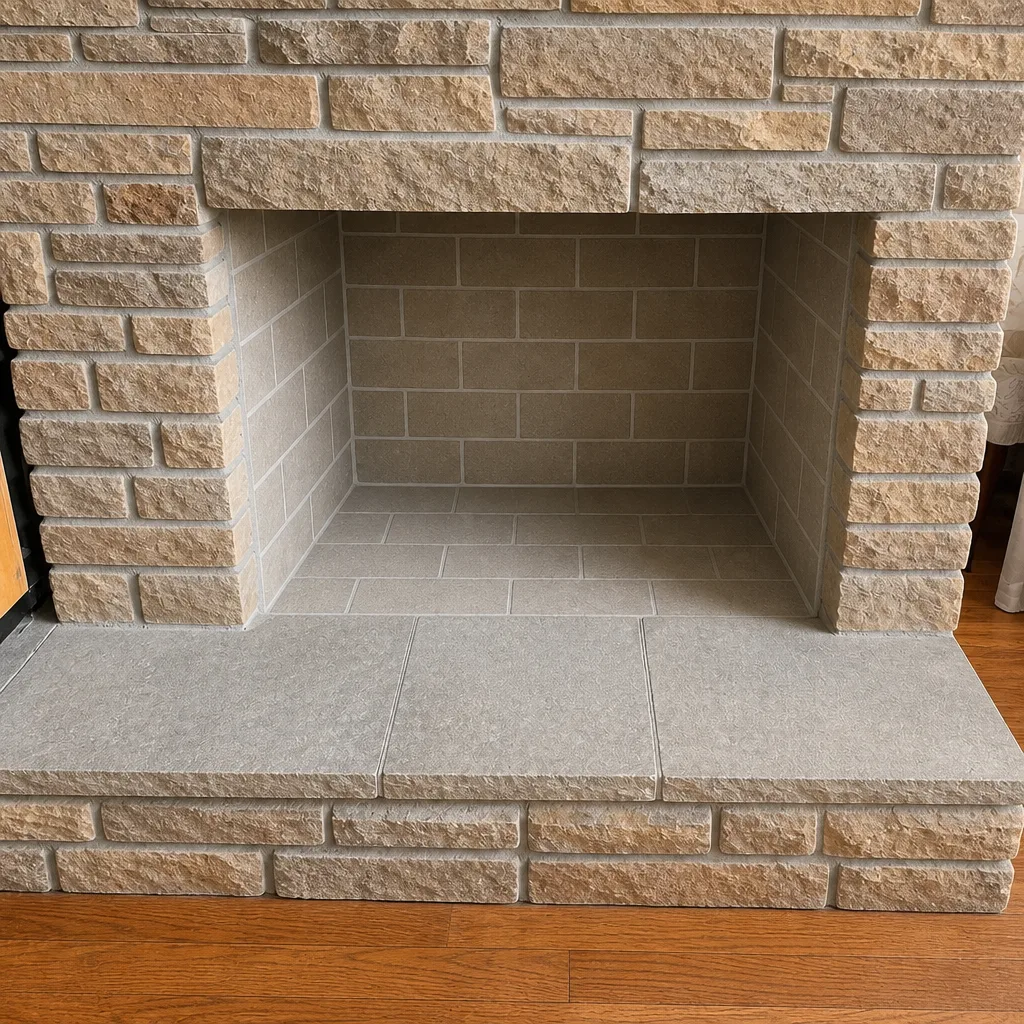
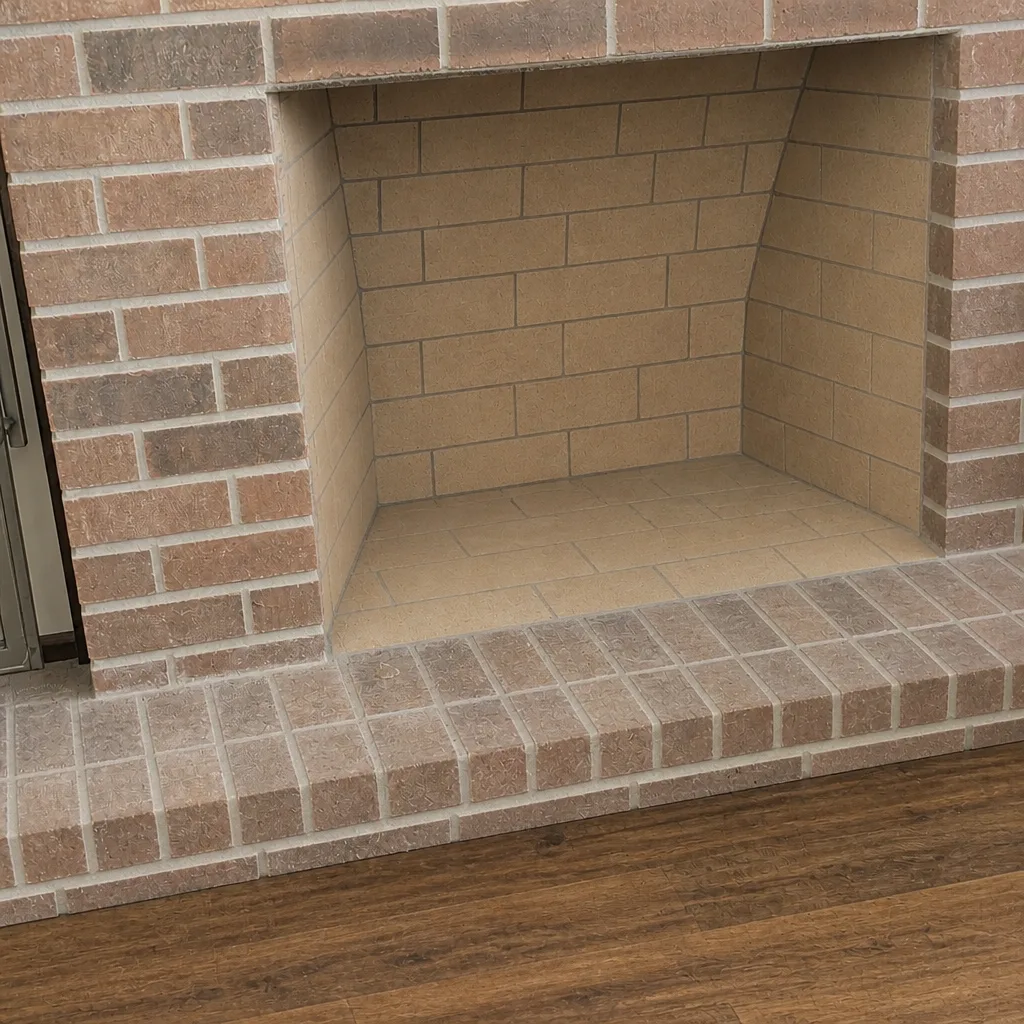
See the difference
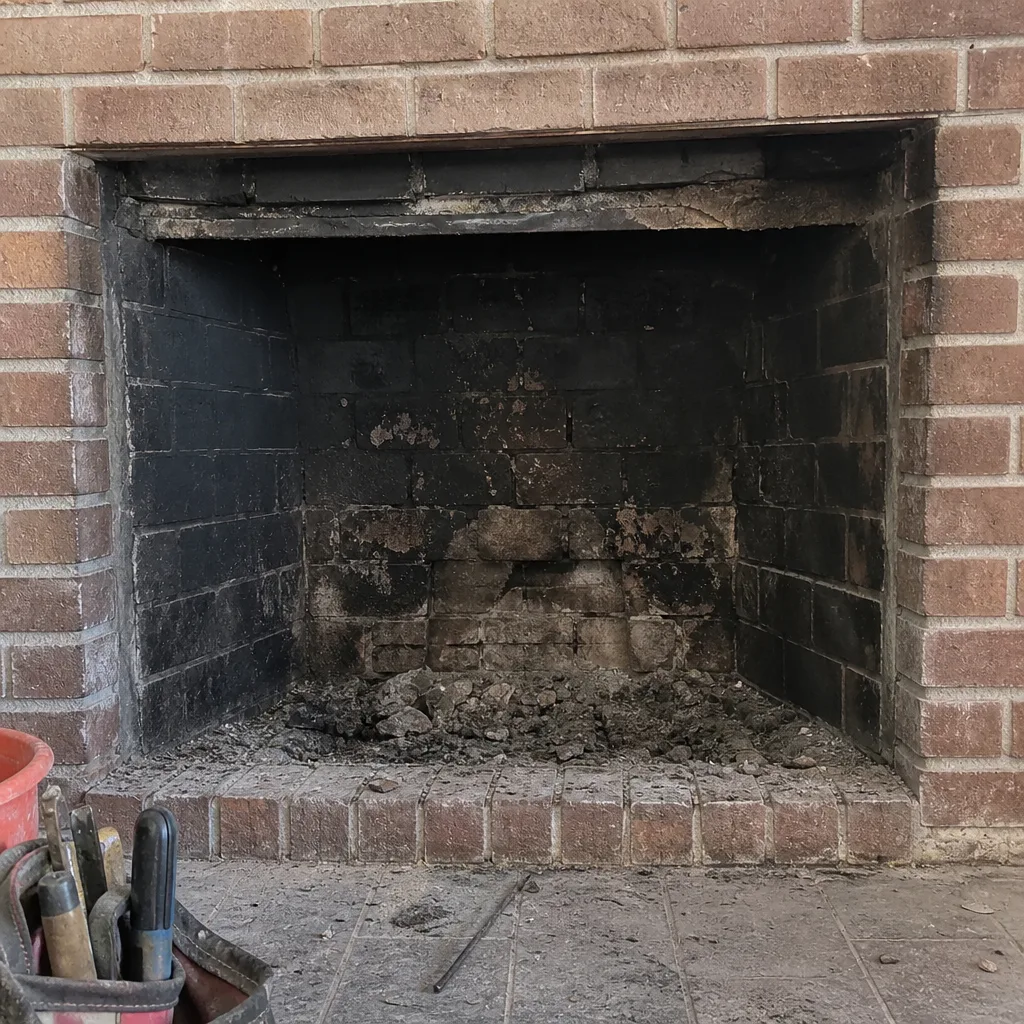 Before
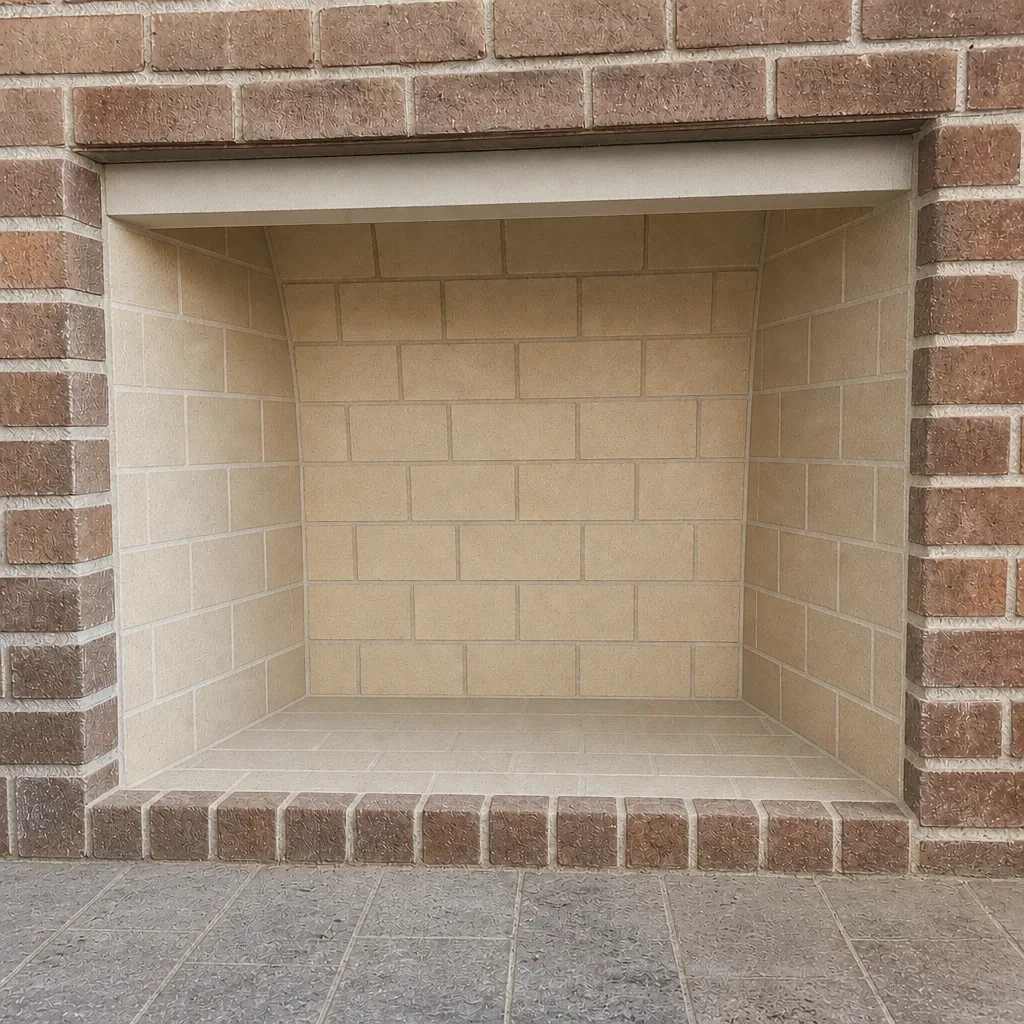 After
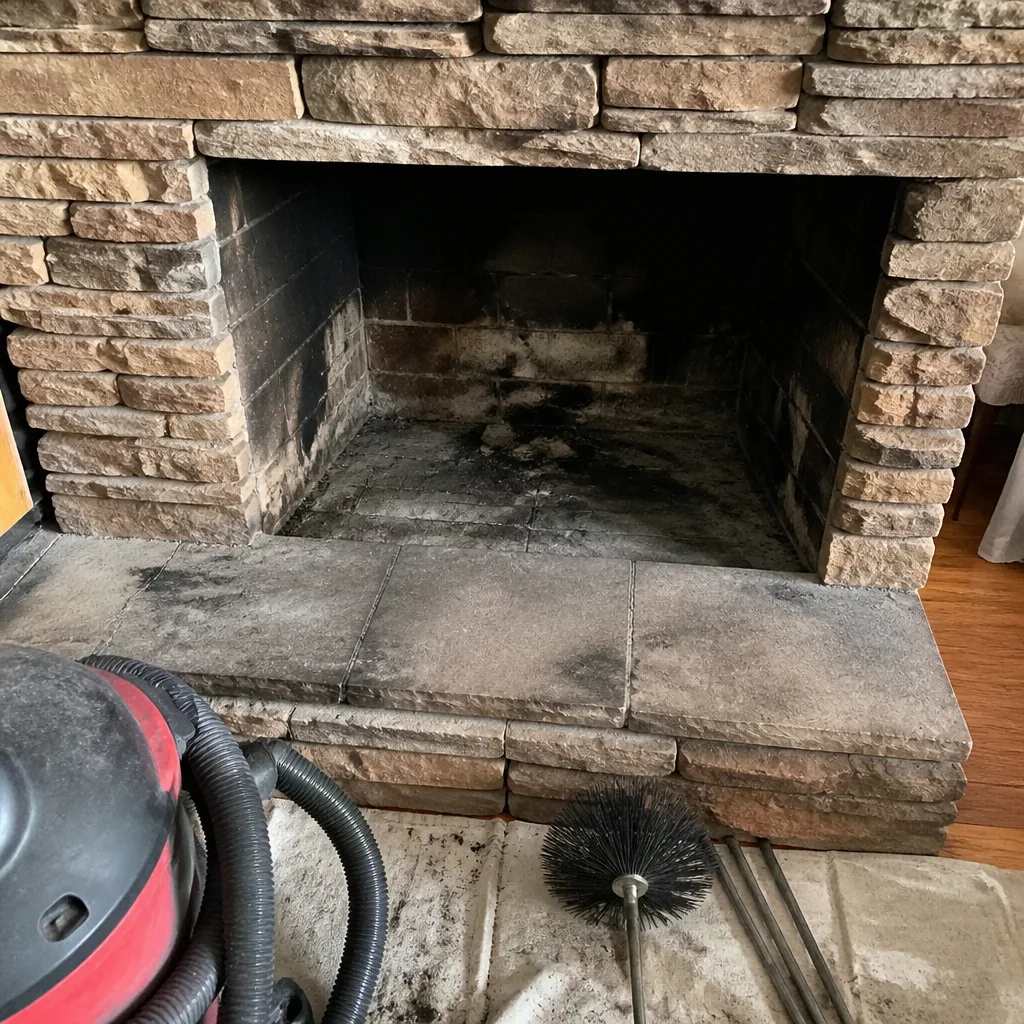 Before
 After
 Before
 After
When to Call a Professional
Call a professional when it’s been more than a year since your last cleaning, when you’ve never had the chimney inspected, or when spring arrives and you haven’t looked at the crown and flashing since the freeze-thaw season did its work. Call sooner if smoke backs into the room on windy days, if you smell a strong creosote odor, if water is staining the ceiling near the chimney chase, or if you’ve had any kind of chimney fire – even a small one. Those are safety signals, not maintenance items. And any work on the flue liner, crown, or smoke chamber is a trained-professional job from the start; the height and the metal aren’t for a homeowner on a ladder. Thornton Chimney Sweep Pros offers free estimates in Thornton – call (866) 937-7966, and we’ll book a visit and give you a documented report you can act on.
Frequently Asked Questions
Chimney cleaning in Thornton is priced per job, set by a written estimate after an inspection of your flue and chimney, because condition and access vary from home to home. There’s no flat national rate that applies to every chimney. The estimate is free, so you’ll know the number before any work starts. Call (866) 937-7966 for an exact quote – estimates are free.
Once a year is the standard, and in Thornton we tie it to the seasons: a cleaning and inspection before heating season, then a Level 2 camera inspection after winter to catch freeze-thaw damage. If you burn heavily or burn wood that isn’t fully dry, shorten the interval. If it’s been more than a year, book cleaning and inspection together. Call (866) 937-7966 for an exact quote – estimates are free.
Only if the inspection shows yours is damaged, cracked, or undersized – a camera inspection gives you the answer, and you can see the footage yourself. A sound liner doesn’t need replacing just because a technician is in the house. When a liner does need work, we install DuraFlex flexible liner systems, engineered specifically for relining. Call (866) 937-7966 for an exact quote – estimates are free.
Creosote builds up in stages, and once it reaches the hardened Stage 2 or glazed Stage 3, it becomes fuel inside your flue and a real fire risk. A blocked or damaged flue also lets combustion gases – including carbon monoxide – reach where they shouldn’t. Skipping cleaning doesn’t make the risk go away; it just hides it until the flue gets worse. Call (866) 937-7966 for an exact quote – estimates are free.
That’s a downdraft, and Thornton’s Front Range wind corridor makes it common: wind pressure overcomes the chimney’s up-draft and pushes air back down the flue. It also leaves creosote deposits in the smoke chamber that a flue-only sweep misses. A cap check, a look at the smoke chamber, and a camera inspection usually identify the cause. Call (866) 937-7966 for an exact quote – estimates are free.
Thinner air means weaker draft and cooler flue gases, so fires smolder more and creosote condenses onto the flue walls faster – which pushes you into Stage 2 sooner than a sea-level guide suggests. Freeze-thaw cycles also do more exterior damage to the crown and mortar. That’s why a post-winter Level 2 inspection matters in Thornton. Call (866) 937-7966 for an exact quote – estimates are free.
The Bottom Line
Chimney cleaning in Thornton isn’t only about a clear flue. It’s about the whole system – the firebox, the smoke chamber, the liner, the crown, the cap, and the flashing – all shaped by 5,351 feet of altitude and a freeze-thaw cycle that finds every weak point. Clean annually, inspect with a camera after winter, and treat the smoke chamber and the exterior as part of the job, not the extras. Book with a full-system specialist and get a documented report you can see for yourself, with nothing recommended that the camera doesn’t show. Cleaning and a Level 2 inspection together give you the honest answer; a brush alone doesn’t.
Thornton Chimney Sweep Pros handles inspection, cleaning, fireplace repair, chimney repair, and cap and crown installation as one full system, using products from professional chimney industry brands including DuraFlex, HeatShield, Olympia Chimney, Famco, Gelco, and Copperfield. If you’re ready to know exactly what your chimney needs, call (866) 937-7966 for a free estimate. We answer 24/7. Fast dispatch from 7am to 7pm, Sunday through Friday.
Written by the team at Thornton Chimney Sweep Pros.